
 E-Paper



SC pulls up BCI over Rajasthan bar polls, payment of judges’ honorarium
The bench noted that the BCI had justified high election fees on the basis that sufficient funds were required to conduct elections.

 Prefer HTon Google


The Supreme Court on Tuesday criticised the Bar Council of India (BCI) for constituting its own committee to conduct the Rajasthan State Bar Council elections and for failing to provide adequate honorarium and logistical support to former high court judges appointed by the court to oversee bar council polls.
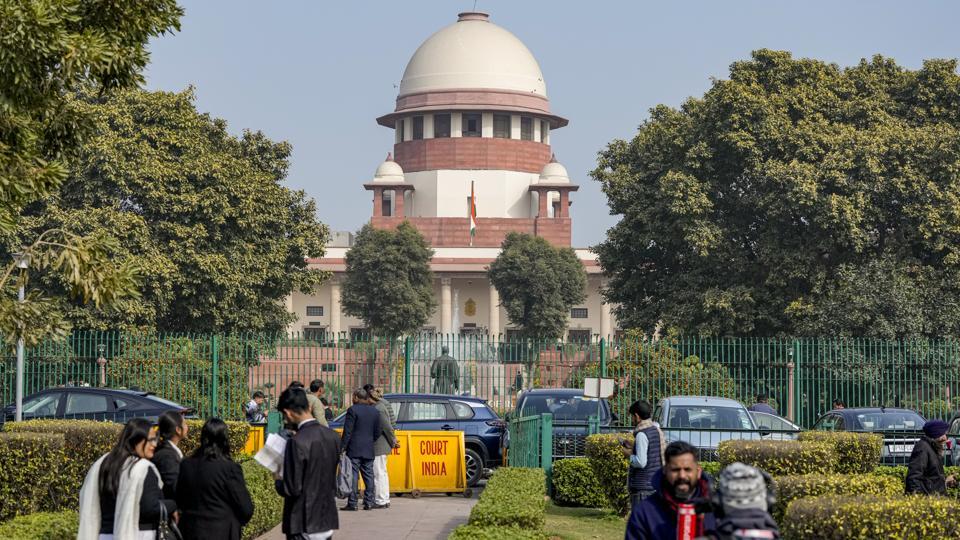
A bench, comprising Chief Justice of India Surya Kant and justices R Mahadevan and Joymalya Bagchi, expressed strong displeasure after being told that retired judges were being compelled to make their own travel bookings and arrangements.
“You have told the former judges appointed by us that you do not have enough money to pay their honorarium…what is this? Do judges have their own aircrafts?” the CJI remarked.
The bench was hearing a mention by senior advocate V Giri on behalf of the Supreme Court-appointed election supervisory committee. Giri submitted that despite clear orders of the court, the BCI had constituted a separate committee to conduct the Rajasthan Bar Council elections on the pretext that Rajasthan was not mentioned in the court’s November 18, 2024 order.
“How could you constitute your own committee for Rajasthan?” the bench asked the counsel for the BCI, after being informed that the committee had already notified the elections.
Giri also flagged that the honorarium payable to former chief justices and judges heading high-powered election committees had not been finalised. When a “befitting” honorarium was suggested, the BCI replied that it would not be possible, he said, adding that judges were being forced to make their own bookings.
Taking exception to the stand, the bench noted that the BCI had justified high election fees on the basis that sufficient funds were required to conduct elections. “You fixed the election fee saying it will generate funds. Now you are telling retired judges you can’t pay them or their travel allowances?” observed the bench, warning that the court would issue directions if required.
The counsel for the BCI initially sought time to respond, stating that they were unaware of the application. Later in the day, BCI chairperson and senior advocate Manan Kumar Mishra appeared in court and made submissions.
Mishra told the bench that the BCI would sit with Giri and discuss the matter, adding that the council did not want the issues “discussed in open court”.
In response, the bench impressed upon both sides to “sit together and resolve the issues amicably”. It directed that elections to state bar councils must proceed as per the notified schedule and under the supervision of the committees set up by this court.
The bench also authorised the election supervisory committee to decide issues relating to the constitution of the committee for Rajasthan and other related matters.
The day’s developments highlighted a contrast with a letter Mishra had written to the CJI a day earlier criticising a Kerala High Court judge’s oral observations in a challenge to a steep increase in nomination fees for state bar council elections. In that January 26 letter, Mishra had criticised the remarks as disturbing the constitutional balance between the Bar and the Bench and highlighted what he described as the BCI’s heavy financial burden in conducting elections under Supreme Court directions.
In court on Tuesday, however, the Supreme Court was informed that former judges appointed by it were being told that funds were not available for honorarium and travel expenses being sought for, prompting the bench’s response.
The Supreme Court had last year directed that elections be conducted in bar councils where they were due and had constituted high-powered election committees headed by former high court chief justices, along with a supervisory committee led by its former judge, Justice Sudhanshu Dhulia.



