
 E-Paper



SC issues rules for day-to-day criminal trials
SC issued guidelines to be followed by all trial courts keeping the mandate of section 309 and asked all high court chief justices to issue a circular on the administrative side giving effect to the guidelines


The Supreme Court, in a recent order, issued guidelines for conducting day-to-day trials in criminal cases and asked high courts to form a committee to have a serious discussion on implementing this rule for important and sensitive cases.
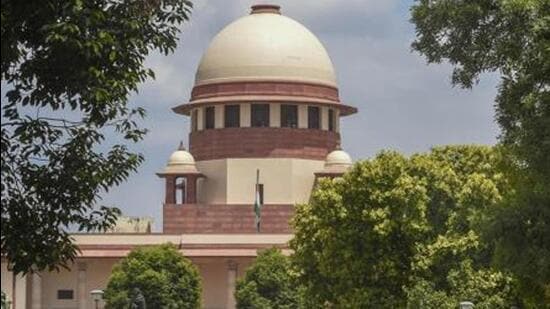
The order was passed by a bench of justices JB Pardiwala and KV Viswanathan, which rued the practice followed by trial courts that takes months, sometimes years to examine witnesses in criminal trials, violating the law as provided under section 309 of the Code of Criminal Procedure (now Section 346 of the BNSS 2023) which requires every trial or enquiry to be concluded expeditiously and witnesses to be examined on a day-to-day basis.
“The practice of conducting trials on a day-to-day basis, more particularly in important or sensitive cases, as was the tradition about 30 years ago has been given a complete go-by. We sincerely believe that it is high time that the courts revert to that practice,” the court said in its order passed on September 22.
For reverting to the old practice, the bench further directed, “It is necessary to understand the current social, political and administrative scenario including the way the police are functioning. All the high courts need to constitute a committee to discuss this issue very seriously for the benefit of their respective district judiciaries.”
The court went on to issue a set of guidelines to be followed by all trial courts keeping the mandate of section 309 and asked all high court chief justices to issue a circular on the administrative side giving effect to the guidelines.
Under these guidelines, the court held that witnesses will be examined on a day-to-day basis until all witnesses in attendance have been examined. In case of adjournment when the witnesses are present in court, the special reasons for the delay have to be recorded in the order. As a rule, the guidelines suggest, “the court should not grant the adjournment to suit the convenience of the advocate concerned except on very exceptional grounds like bereavement in the family and similar exceptional reasons duly supported by memo.”
In the event the trial court is of the view that the lawyer and the accused are colluding to delay trial, the guidelines require that if the accused is on bail, the trial court shall issue notice to the accused to show cause why the bail should not be cancelled. If on a date when the witness appears and the accused is not present, “the court can cancel the bail of the accused if he is on bail,” the guidelines add.
If it is the lawyer alone who delays trial, the court will be free to appoint an amicus curiae to proceed with the trial. In appropriate cases, the court is permitted to impose costs on the accused commensurate with the expenses the witnesses have incurred to attend the court proceeding.
The bench scoffed at the “piecemeal fashion” in which trials are conducted in criminal cases. It said, “The right to speedy trial is implicit in Article 21 of the Constitution of India…section 309 has been inserted in the CrPC keeping in view this constitutional mandate of speedy trial. It is necessary to realise that Sessions cases must not be tried piecemeal. Once the trial commences, except for a very pressing reason which makes an adjournment inevitable, it must proceed de die in diem (from day to day) until the trial is concluded.”
The order notes that the trial judge has the discretion to defer the cross-examination. However, the bench did not approve of the practice prevailing in the trial courts across the country where the evidence of a particular witness is recorded in part in one month and cross-examination follows in a subsequent month.
The guidelines also require the presiding judge to finalise a schedule fixing dates for examination of witnesses in each case, well in advance, after ascertaining the convenience of lawyers. The prosecution will also be required to issue summons to witnesses in advance as per the said schedule to ensure their attendance on the date fixed.
The court directed that a copy of its order to be sent to every high court and required them to attach it with a circular to be issued to the district judiciary.


