
 E-Paper



Sexting, cyberbullying by children may signal a criminal future: Govt manual
A new government manual that analyses why some kids break the law and put themselves in harm’s way might have an answer.


Is your child at risk of delinquency?
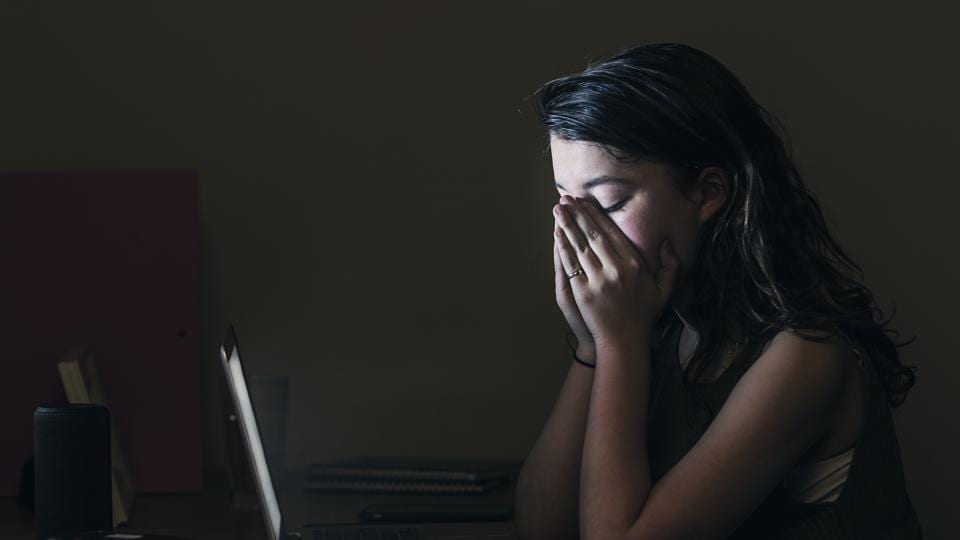
A new government manual that analyses why some kids break the law and put themselves in harm’s way might have an answer.
Titled “Raising Happy Children and Providing Safe Childhoods,” the report emphasises that the conduct of adults is a crucial influence on the psychological health of children. It offers parents and teachers tips on the right and wrong ways to respond to a range of concerning activities.
The main focus is “delinquency”, which the government classifies as behaviour that ranges from routine aggression to substance abuse to petty theft. The manual, which was published by the ministry of women and child development, also includes discussion of other sorts of potentially troubling adolescent activities, such as sexting, which it says might lead to blackmail or bullying.
Signs of delinquency listed in the manual:
•Aggression towards people or animals
•Lying
•Initiation of physical fights with people other than siblings
•Use of weapons that can physically harm
•Theft or deliberate destruction of valuable property
•Bullying, including sexual bullying
•Truancy
Tips for parents and teachers to prevent cyberbullying:
•Keep computers in a busy area of your house
•Limit data access on your child’s smart phone
•Set up filters and tracking software on your child’s computer and phone
•Insist on knowing your child’s passwords and learn the common acronyms kids use online and in text messages
•Know who your child communicates with online: go over your child’s address book and instant messenger ‘buddy list’ with them, asking who each person is and how your child knows them
•Encourage your child to tell you or another trusted adult if they receive threatening messages or are otherwise targeted by cyberbullies.


