E-Paper



Sheikh Hasina’s media interviews irk Dhaka; senior Indian diplomat summoned
Dhaka said “harbouring such a notorious fugitive" on trial for committing crimes against humanity” and “granting her a platform to spew hatred” were unhelpful

 Prefer HTon Google


NEW DELHI: Bangladesh’s foreign ministry summoned the second-highest-ranking Indian diplomat in Dhaka on Wednesday to protest against former premier Sheikh Hasina’s interactions with the Indian media in recent days and to demand that her access to journalists be discontinued.
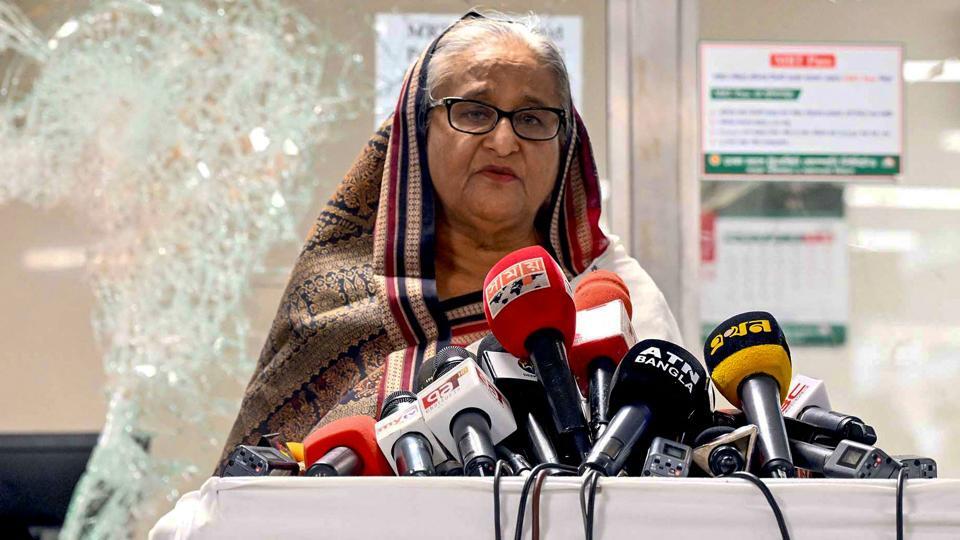
The development came five days after Hasina, who has been in self-exile in India since the fall of her government in August 2024, following weeks of student-led protests, gave interviews to a few Indian media outlets, including Hindustan Times. This was her first interaction with the Indian media since he left Bangladesh.
Bangladesh’s foreign ministry summoned India’s deputy high commissioner Pawan Badhe to formally convey Dhaka’s “serious concern over the Indian government allowing…Hasina to interact with the mainstream Indian media”, state-run BSS news agency reported.
The foreign ministry said “harbouring such a notorious fugitive currently under trial for committing crimes against humanity” and “granting her a platform to spew hatred” are unhelpful to fostering a constructive bilateral relationship, BSS quoted a diplomatic source as saying.
Badhe was also asked to convey Bangladesh’s request to “immediately discontinue Hasina’s access to media”, the report said.
There was no immediate reaction from Indian officials to the development. People familiar with the matter said the Indian side had made it clear that India’s media is independent and not controlled by the government.
The development raised eyebrows in New Delhi as Hasina recently gave interviews to British and French media outlets, but the diplomats of those countries haven’t been summoned by the foreign ministry in Dhaka. Comments by Shafiqul Alam, the spokesperson for interim government chief Muhammad Yunus, describing those who interviewed Hasina as “Indian bootlicking” journalists have also not gone down well in New Delhi.
The Press Club of India on Tuesday described the remarks by Alam, a former journalist, as “especially reprehensible” and sought an apology. “To describe professionals from responsible media outlets pursuing a genuine news story as ‘bootlicking’ journalists is certainly not expected from a person in a responsible position,” the Press Club said in a statement.
India-Bangladesh relations have cratered since the caretaker administration led by Yunus assumed office in August last year. The Indian side has repeatedly criticised the interim government for failing to prevent the oppression of Bangladesh’s minorities, including Hindus. Dhaka has sought the extradition of Hasina, though New Delhi is yet to act on the request.