
 E-Paper



‘Should Delhi even remain capital?': Shashi Tharoor raps govt over AQI 'nightmare'
Shashi Tharoor, AQI data, said Delhi is officially the most polluted city in the world after Dhaka and blamed the government for “doing nothing”.

 Prefer HTon Google


Shashi Tharoor of the Congress said Delhi was “essentially uninhabitable” between November and January due to poor air quality and questioned whether it should remain the nation's capital.
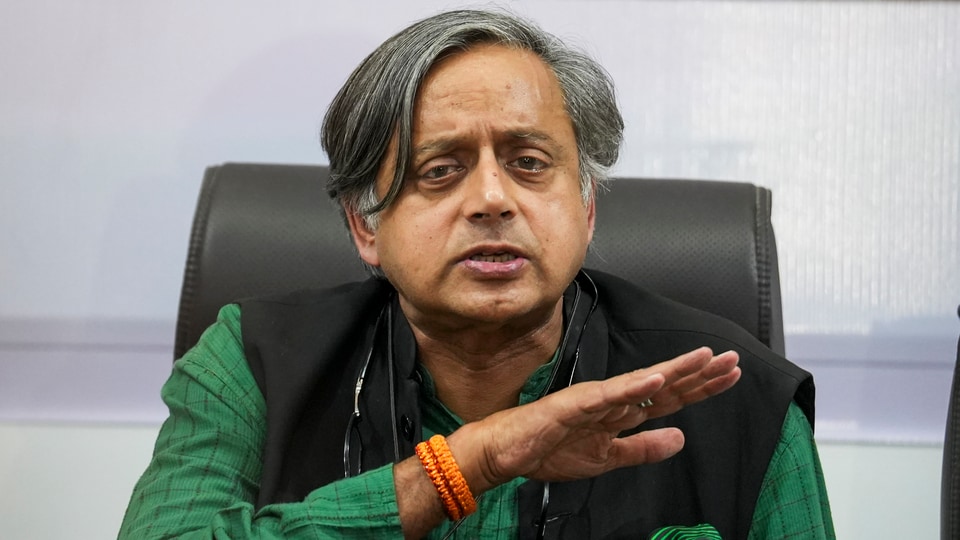
In a post on X, Shashi Tharoor, citing Air Quality Index (AQI) data of Swiss air quality technology company IQAir, said Delhi is officially the most polluted city in the world after Dhaka and blamed the government for “doing nothing”. Follow Delhi air pollution LIVE updates here.
“Delhi is officially the most polluted city in the world, 4x Hazardous levels and nearly five times as bad as the second most polluted city, Dhaka. It is unconscionable that our government has been witnessing this nightmare for years and does nothing about it,” Tharoor wrote on X.
The Congress MP further said he had been running an Air Quality Round Table for experts and stakeholders, including MPs, since 2015 but gave up last year “because nothing seemed to change and no one seemed to care”.
Also Read | Maximum Toxi-city: Delhi's pollution crisis prompts WFH orders, school closure
“This city is essentially uninhabitable from November to January inclusive and barely livable the rest of the year. Should it even remain the nation’s capital?” Tharoor asked.
Air quality in Delhi
The air quality in Delhi and the National Capital Region (NCR) remains in "alarmingly high" levels, prompting concerns about health and safety.
Most air quality monitoring stations showed the city's AQI touching 500-mark (severe plus) on Tuesday morning as a dense layer of smog enveloped the region for the seventh consecutive day. The city’s AQI was 494 on Monday, 441 on Sunday and 417 on Saturday.
Also Read | Delhi government orders online mode for Classes 10, 12 after SC rap on pollution
According to the Central Pollution Control Board (CPCB), the air quality index (AQI) of Delhi's Anand Vihar, Ashok Vihar, Bawana, Jahangirpuri, Major Dhyan Chand Stadium and several other places touched the 500-mark at 5am on Tuesday.
The Delhi government has termed the air situation a "medical emergency" and urged institutions to take preventive measures in the interest of public health. Schools and colleges in Delhi-NCR have already started shifting to online classes due to the poor air.


