E-Paper



Sonam Wangchuk backs Jharkhand students’ protest, urges leader to end hunger strike
The ongoing protest by job aspirants is seeking a probe by central agencies into the alleged irregularities in the recruitment examinations in Jharkhand

 Prefer HTon Google


Environmental activist Sonam Wangchuk on Wednesday spoke to Jharkhand Krantikari Loktantrik Morcha (JKLM) leader Devendra Nath Mahto, who is on an indefinite hunger strike over alleged recruitment irregularities in Jharkhand, urging him to at least consume water and salt while expressing solidarity with the students’ protest.
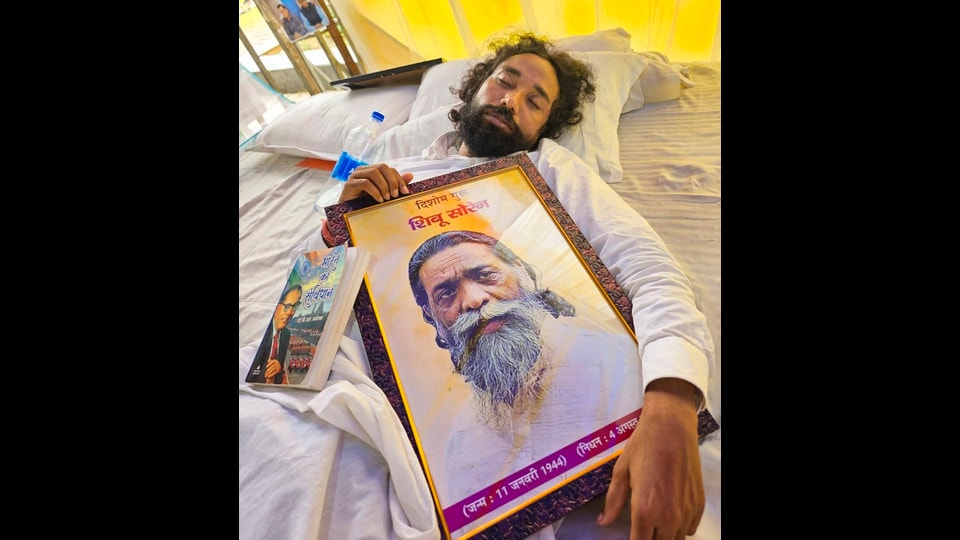
The ongoing protest by job aspirants, who have been staging an indefinite sit-in at Jaipal Singh Munda Stadium in Ranchi since July 29, is seeking a probe by central agencies into the alleged irregularities in the recruitment examinations conducted by the Jharkhand Public Service Commission (JPSC) and the Jharkhand Staff Selection Commission (JSSC), besides seeking the cancellation of all examinations conducted by the private agency TDPL, which is under the scanner for the alleged irregularities.
During the call on Wednesday, Wangchuk made an emotional appeal to Mahto, who has been on a hunger strike since August 2 at Ranchi’s Jaipal Singh Munda Stadium to protest against the alleged recruitment irregularities, urging him to prioritise his well-being so he could continue to advocate for the student community.
“Apne apne jeevan ko daw par laga kar bada kadam uthaya hai... par kam se kam jal aur namak lena chahiye... hamara uddesya atmahatya nahi sarkar ki atma ko jagana hai... (You have taken a big step by keeping your life at stake, but water and salt should be taken. Our purpose is to awaken the soul of the government, not to commit suicide),” Wangchuk said during his two-minute call.
Wangchuk, who has previously advocated for administrative accountability, expressed support for the peaceful nature of the demonstration and pledged to visit Ranchi to support the local youth. Mahto has said that the protest for the students’ demands will continue.
Mahato said Wangchuk had assured continued support for the students’ protest in Jharkhand, following which he agreed to consume water and salt but would continue his indefinite hunger strike.
Meanwhile, chief minister Hemant Soren on Tuesday said that the government was awaiting the investigation report of the Crime Investigation Department (CID) of the Jharkhand police.
Speaking on the issue for the first time, the chief minister said, “I am repeating that this government has its eyes and ears at the right place. I can’t open my heart and show. However, it’s known that I always complete any assignment that I take up. The SIT is working day and night. We are waiting for the investigation report. Once we have the findings, we will act accordingly and inform the students and the state about the resulting decisions.”