
 E-Paper



Southern pushback grows over proposed Lok Sabha seat hike, delimitation exercise
The delimitation exercise will be based on population data from the latest published census - effectively the 2011 Census at present.

 Prefer HTon Google


A fresh political flashpoint is emerging over the Centre's proposed delimitation exercise and expansion of Lok Sabha seats, with southern states warning of a potential erosion of their political voice even as the Union government insists that “no state will lose out.”
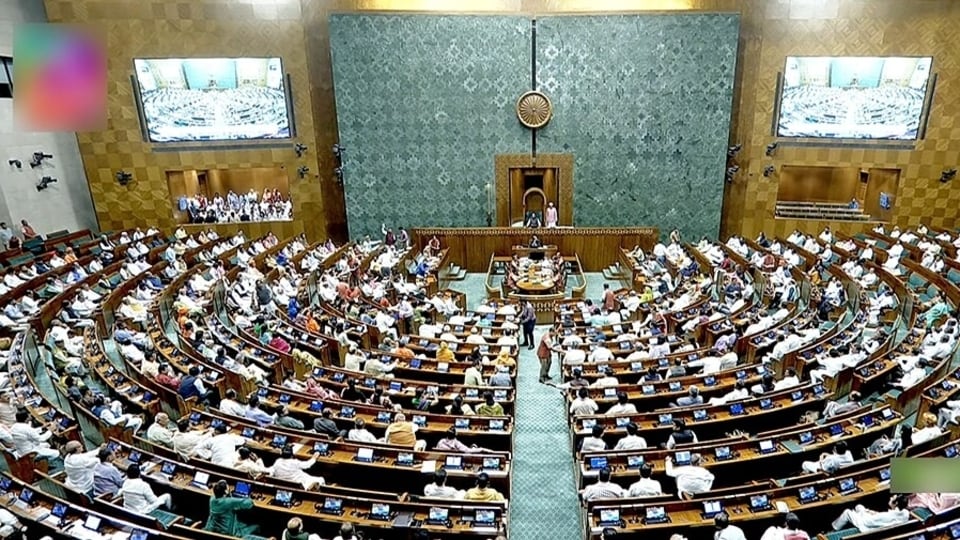
At the heart of the debate is a legislative push that could significantly increase the strength of the Lok Sabha - from 543 seats to potentially over 850 - alongside the implementation of one-third reservation for women. But the method of redistributing these seats, and the data underpinning it, has triggered sharp concerns, particularly in the south.
Why delimitation is back in focus
The Centre has introduced a set of bills, including the Delimitation Bill, 2026 and a constitutional amendment linked to women’s reservation, which together propose a large-scale redrawing of parliamentary constituencies. The exercise will be based on population data from the latest published census - effectively the 2011 Census at present.
This is significant because delimitation has been frozen for decades to ensure that states which successfully controlled population growth were not penalised. With that freeze nearing its end, the issue has returned to the centre of political debate.
Population vs representation: The core faultline
The primary concern revolves around how seats will be distributed across states. If population becomes the dominant criterion, as is expected, it could shift political weight towards more populous northern states.
An internal analysis of the data cited in the draft bill indicates that southern states' combined share in the Lok Sabha could drop from 20.1% to 18%, while states like Uttar Pradesh and Bihar could see their share rise from 22.1% to 25.1%.

Tamil Nadu signals strong resistance
Tamil Nadu chief minister MK Stalin has emerged as one of the strongest voices opposing the move. He has convened an emergency meeting of DMK MPs to decide the party’s strategy and warned of “massive agitations” if the state’s political standing is undermined.
Stalin has framed the issue as one of federal rights, cautioning that any disproportionate increase in the political power of northern states would be unacceptable. His remarks invoking the protest-driven legacy of the Dravidian movement suggest that the opposition could move beyond Parliament to street mobilisation if required.
Southern states seek a united front
The resistance is increasingly taking on a coordinated shape. Telangana chief minister Revanth Reddy has called for a “protracted struggle” and written to his counterparts in southern states and Puducherry, urging collective action.
He has proposed a hybrid model for seat allocation - partly based on population and partly on economic indicators such as GSDP - to ensure a more balanced outcome.
Women's reservation adds another layer
The delimitation exercise is closely tied to the implementation of the women’s reservation law, which mandates one-third of seats in Parliament and state assemblies for women. The government has indicated that the expansion of Lok Sabha seats will help operationalise this quota.
Centre's reassurance
The Union government has sought to allay fears, with parliamentary affairs minister Kiren Rijiju stating that no state will lose seats and that distribution will be fair across regions and communities.
He has also argued that southern states will continue to benefit despite their lower population growth.
What lies ahead
The constitutional amendment linked to women's reservation will require a two-thirds majority in Parliament, while the delimitation bill can be passed with a simple majority. If both go through, India could witness its largest parliamentary expansion since independence.
But before that, the Centre will need to address mounting concerns from the south and build broader political consensus.


