E-Paper



Study flags how Kerala’s migrant workers remain excluded from govt health schemes
Half of those surveyed said they lived in shared rooms with 3-6 people and nearly a quarter stated their rooms often held more than six persons

 Prefer HTon Google


Kochi : Kerala often occupies the top spot in human development indicator rankings and health indices, but in contrast, it’s big migrant worker community, a vital cog in the state’s labour machine, resides in crowded and unsanitary living conditions, reports long working hours and feelings of loneliness and finds itself largely out of the state’s public health programmes, a recent study has found.
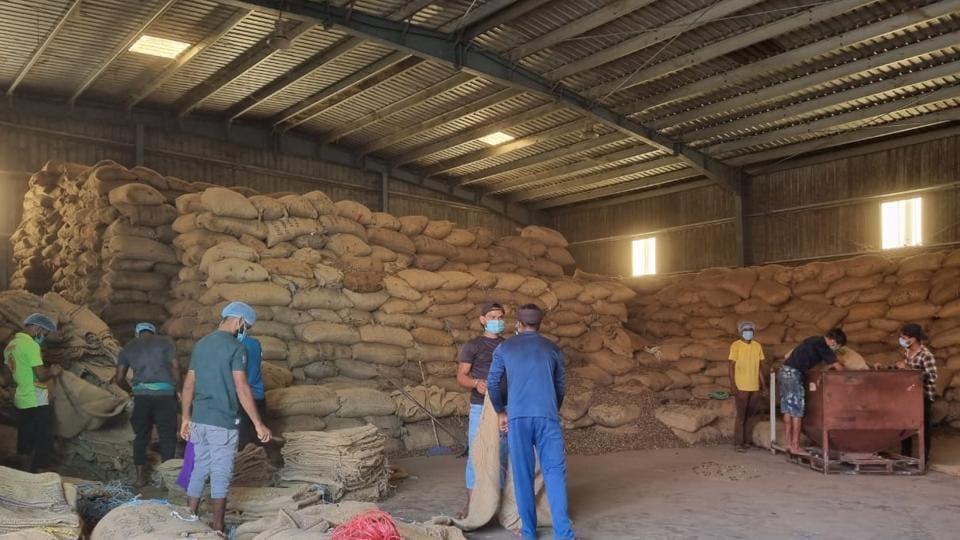
The exhaustive study, conducted by researchers led by Bijulal MV at Mahatma Gandhi University and funded by the Anusandhan National Research Foundation, over a three-year period between 2022 and 2025 throws light on health care and social integration challenges faced by an estimated 3.5 million-strong migrant worker force in Kerala.
The study titled ‘Effect of social institutional and technological interventions on access to health care among interstate migrant labourers in Kerala’ was carried out with a sample size of 1,554 guest workers, including 264 women, from all 14 districts of Kerala.
Of the respondents, nearly 30% of them were from West Bengal, followed by Assam (21%), Bihar (19%) and Odisha (11%). Over 65% of them were young adults between the ages of 18 and 32.
A staggering 86% of the guest workers reported that they were unaware of existing health policies and schemes in the state and only 1 out of 10 workers covered by any form of health insurance. A large majority of them have limited proficiency in Malayalam, causing gaps in accessing health services and interacting with doctors.
Though the state literacy mission has the ‘Changathi’ project aimed at teaching Malayalam to guest workers, Hindi currently remains the only medium.
The research project also pointed to mental health issues among the workers, with 43% of them reporting feelings of loneliness, 38% overthinking and 41% anger problems. Such troubling findings may form the crux of conflicts and episodes of violence within the community.
Significantly, the report also emphasises the poor and unhygienic living conditions of the workers.
Half of those surveyed said they lived in shared rooms with 3-6 people and nearly a quarter stated their rooms often held more than six persons. Nearly 80% of them relied on shared toilets and over 25% reported poor hygiene conditions.
“In most manufacturing units, the migrant camps are unhygienic. For example, in a 250 sq ft room, a minimum of six workers live together, often cooking and consuming food in the same space. In many camps, migrant workers sleep on mats spread on the floor, as most camps in Kerala are not even equipped with proper beds,” the report said.
Another paradox was that even though 85% of the interstate labourers owned smartphones with access to the internet, less than 0.5% were found to have used telemedicine services, which could have bridged the gap in getting public or private healthcare.
There was ‘low engagement in healthcare tech’ with digital literacy restricted to entertainment and financial transactions.
Buttressing Kerala’s high-wage informal markets, the survey found that over 57% workers felt their incomes have risen post-migration and a predominant section of them remitted between ₹9000 and ₹15,000 a month to their families back home. However, despite their earnings, most of them fail to invest in their own health.
It remains a stark reality that even when Kerala’s robust public healthcare system was appraised very well by the guest workers – 83% of them rating it better than the one in their home-states – a majority of them are still not formally covered by it for various reasons.
When asked whether they wished to plant their roots in Kerala in the long term, only 14% said yes, with the rest expressing desire to eventually go back to their home-states once they are financially stable.
As part of the study, the researchers developed a platform called Interstate Migrant Workers Access to Technology, Health Information and Services (IMWATHIS) and used it to train a select group of workers in various modules like digital literacy, sexual and reproductive health, stigma reduction, gender sensitisation and navigating legal and administrative systems.
Following the training and testing, gains were recorded in workers’ knowledge about such modules, underscoring the importance of targeted, community-based interventions.
To protect the overall well-being of interstate workers, the researchers made several recommendations to the government and policymakers.
It includes launching targeted awareness campaigns in their native languages, mobile health outreach in migrant camps, setting up mental health and resilience workshops and on-site drives for Aadhaar, labour cards and insurance schemes.
Bijulal MV, the principal investigator of the research study, said the scope of the myriad issues faced by guest workers cannot be resolved alone by government departments.
“The requirements (of workers) far outweigh the capacity of the government. Maybe that’s why there is an absence of an empathetic approach towards them,” he said.
“We have called for a joint approach from the federal authorities and civil societies to address the issues. Like in foreign countries, high school students can be roped in as volunteers to train and work in the implementation of services. They can be given grades for such work,” he added.