
 E-Paper



Supreme Court disapproves of ‘regime revenge’, pulls up Maharahtra govt in land allotment case
The apex court says ‘it is pertinent to remember that, by merely using grounds of public interest or loss to the treasury, the successor public authority cannot undo the work undertaken by the previous authority’


New Delhi: The Supreme Court on Monday disapproved of the practice of “regime revenge” as it pulled up the Maharashtra government for cancelling land allotment to a private entity after the chief of its city planning agency changed.
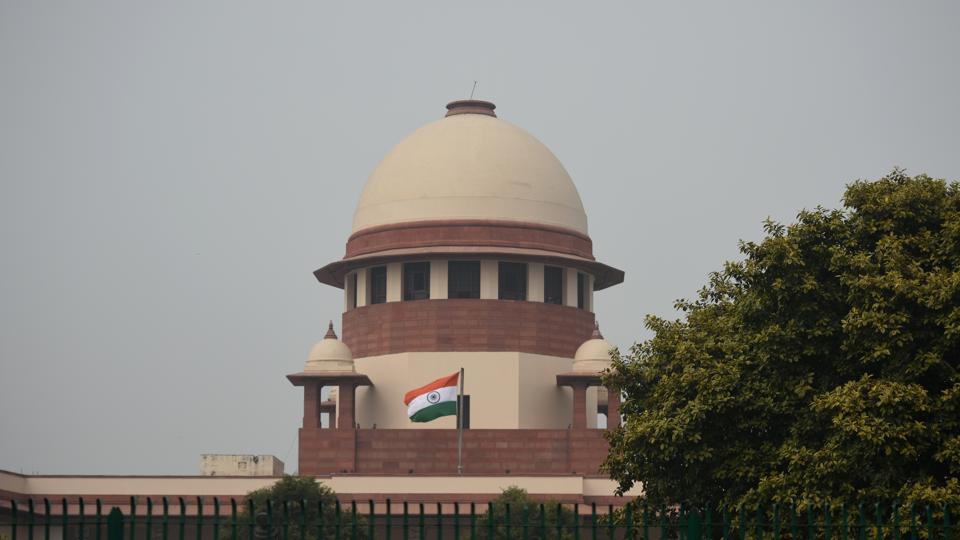
“It is pertinent to remember that, by merely using grounds of public interest or loss to the treasury, the successor public authority cannot undo the work undertaken by the previous authority. Such a claim must be proven using material facts, evidence and figures. If it were otherwise, then there will remain no sanctity in the words and undertaking of the Government,” held a bench, headed by Chief Justice of India NV Ramana.
The bench, which also comprised justices Vineet Saran and Surya Kant, underlined that businessmen would be hesitant to enter government contract or make any investment if authorities cancelled contracts by only citing public interest.
“Such a practice is counter-productive to the economy and the business environment in general. The constitutional guarantee against arbitrariness, as provided under Article 14, demands the state to act in a fair and reasonable manner unless public interest demands otherwise,” noted the bench.
The court was hearing an appeal filed by the City and Industrial Development Corporation of Maharashtra (CIDCO) against a 2013 judgment of the Bombay high court. The HC had quashed the CIDCO’s decision to cancel the allotment of land to M/s Metropolis Hotels, which was given the land in 2008 on lease for constructing a hotel around the proposed Navi Mumbai airport. After the site of the proposed airport changed, Metropolis Hotels applied in March 2010 for subdivision of the plot and change of land use for half the plot from commercial to residential-cum-commercial. Acceding to this request, CIDCO executed two separate lease deeds in respect of the two plots.
As some complaints were made against Metropolis regarding irregularities in allotment of plots of land and change of user, the Maharashtra government initiated an inquiry, based on which the new chairman of CIDCO issued a show-cause notice to Metropolis in December 2010 and finally cancelled the lease deeds in March 2011. Metropolis went to HC, which allowed its petition and restored the allotment.
Dismissing CIDCO’s appeal against the HC order, the top court also noted that the change of land use and the subsequent division was well within the statutory limitations but a contrary view was taken after a new executive head of CIDCO took over.
“The contradictory submissions asserted before this court and the concessions given regarding practice of CIDCO to allow change in land use in other cases, clearly points to a ‘regime revenge’... the earlier undertakings taken by the authorities cannot be set aside with the change of person in power, without any rhyme or reason,” maintained the bench.
The court rejected submissions of the state government and CIDCO that there would be loss of public money if Metropolis were allowed to retain the land.
“When a contract is being evaluated, the mere possibility of more money in the public coffers, does not in itself serve public interest. A blanket claim by the state claiming loss of public money cannot be used to forgo contractual obligations, especially when it is not based on any evidence or examination. The larger public interest of upholding contracts and the fairness of public authorities is also in play. Courts need to have a broader understanding of public interest, while reviewing such contracts,” it held.


