
 E-Paper



Supreme Court orders status quo in Byju’s insolvency
The insolvency process against Byju’s was initiated in June 2024 by the National Company Law Appellate Tribunal (NCLAT) following a plea by BCCI alleging default

 Prefer HTon Google


The Supreme Court on Thursday directed the resolution professional (RP) to not hold any meeting or proceed with the corporate insolvency resolution process (CIRP) initiated against the embattled edtech giant Byju’s until the court decided the validity of the payment settlement between the company and the Board of Control for Cricket in India (BCCI).
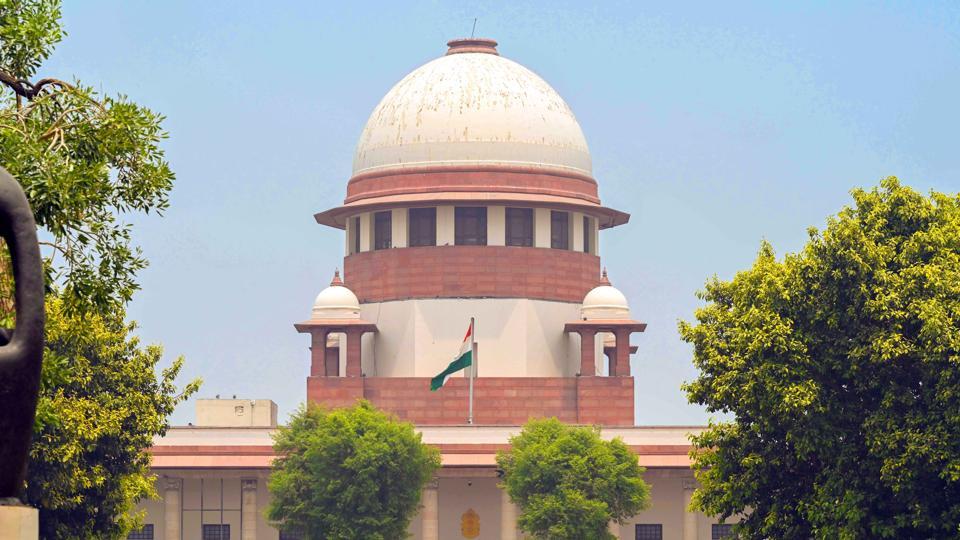
A bench led by Chief Justice of India Dhananjaya Y Chandrachud issued the interim restraining order while reserving its judgment on a petition assailing the National Company Law Appellate Tribunal (NCLAT) order, which permitted the BCCI to settle dues with Byju’s after receiving ₹ 58 crore.
“The judgment is reserved in the matter. Until the judgment is delivered, the resolution professional shall maintain the status quo and will not proceed,” said the bench, which also included justices JB Pardiwala and Manoj Misra. The interim order was passed after one of the parties pointed out that RP had scheduled a meeting of the Committee of Creditors (CoC) later on Thursday.
On August 14, the court suspended the NCLAT order that allowed a settlement between the company and BCCI, effectively reviving the insolvency proceedings against Byju’s. Acting on a petition by Byju’s US-based lender, Glas Trust, the court directed that the ₹158 crore Byju’s paid to BCCI would be kept in a separate escrow account.
Senior counsel Shyam Divan, representing Glas Trust, delved into the financial health of Think & Learn Pvt Ltd, Byju’s parent company. He highlighted a significant loss of ₹8,104.68 crore as of March 2022, adding that Byju’s had failed to provide critical transparency documents as required. He raised concerns about the company’s financial practices, pointing out the resignation of its auditor in September 2024.
Byju’s legal team, led by senior counsel Abhishek Manu Singhvi and Neeraj K Kaul, maintained that despite controlling 99.18% of the firm, the company has not been included in important decisions about the insolvency process. They pointed to anomalies in the way the process has been managed and asked for a halt to the insolvency proceedings.
Supporting the NCLAT order, solicitor general Tushar Mehta, representing BCCI, outlined certain conditions for a potential settlement as he contended that any payment should not be sourced from Byju’s assets, a stance intended to protect creditor interests.
On Wednesday, the bench raised questions about the validity of the NCLAT order, observing that the ruling seemed to lack a thorough application of mind. The bench questioned why Byju’s had chosen to settle exclusively with BCCI, especially since the debt owed was substantial. It also asked why Byju’s had opted to settle with BCCI using personal assets while the company faced a debt burden of ₹15,000 crore. The bench hinted at sending the NCLAT order back for reconsideration, noting the need for a fresh review of the case.
The case in question revolves around Glas Trust’s appeal against the payment settlement between BCCI and the edtech firm that formed the basis of staying insolvency proceedings against Byju’s.
The insolvency process against Byju’s was originally initiated in June 2024 by NCLT in Bengaluru following a plea by BCCI alleging default by Byju’s in paying the board approximately ₹158 crore related to sponsorship deals for the Indian cricket team’s jerseys.
In July, the NCLAT in Chennai halted the insolvency proceedings after being informed by BCCI that it had reached a settlement with Byju’s. Riju Raveendran, Byju Raveendran’s brother and a shareholder, agreed to clear the dues from his personal funds, generated from the sale of Think and Learn’s shares between 2015 and 2022.
On August 2, NCLAT approved the settlement, halting bankruptcy proceedings against Think and Learn, and returning control of the company to its founder, Byju Raveendran. The tribunal approved the settlement after receiving an undertaking that the repayment would be personally funded by Riju Raveendran and not from funds meant for financial creditors.
Glas Trust approached the Supreme Court, objecting to the payment settlement between BCCI and Byju’s, while claiming that the ₹158 crore was “tainted” and had been misappropriated from them.



