E-Paper



Supreme Court reopens murder case against BJP MLA, says UP probe ‘sham’
The SC bench, headed by justice Rohinton F Nariman, ordered the constitution of a special investigation team (SIT) for the case, and appointed an Indian Police Service officer, Satyarth Anirudh Pankaj, to head the team.

 Prefer HTon Google


The Supreme Court on Monday reopened a murder investigation against a BJP MLA from Uttar Pradesh, terming the probe by the state police a “sham”.
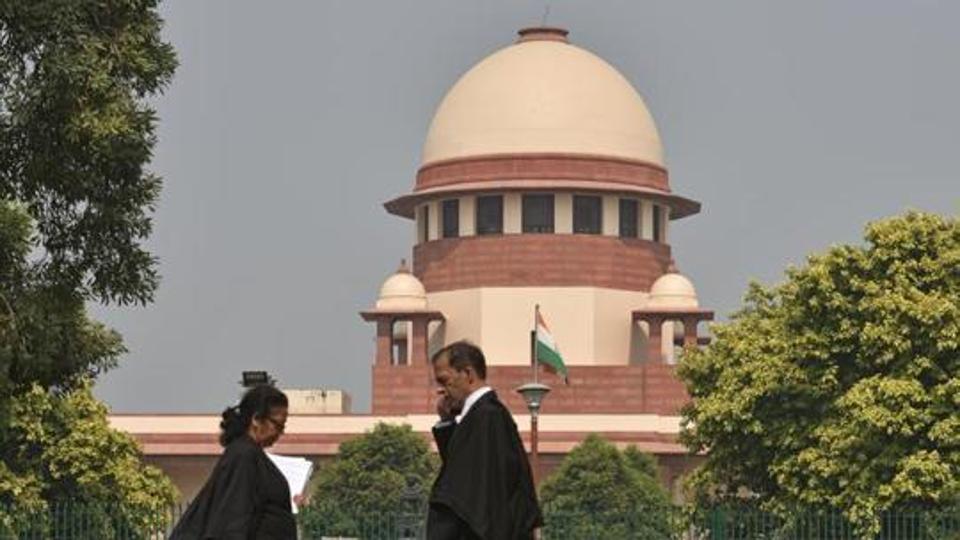
The court scrapped the clean chit given to MLA Sushil Singh and ordered a further investigation into the murder of Bahujan Samaj Party (BSP) leader Ram Bihari Chaubey in 2015; it also decided to supervise the probe.
The SC bench, headed by justice Rohinton F Nariman, ordered the constitution of a special investigation team (SIT) for the case, and appointed an Indian Police Service officer, Satyarth Anirudh Pankaj, to head the team.
The judgment, authored by justice Navin Sinha, severely indicted the police for the manner in which the case was closed hurriedly after the Supreme Court took up the petition filed by the slain BSP leader’s son. Chaubey’s son, who also filed a petition before the Allahabad high court earlier, cited gaps in the investigations, adding the endeavour of the police was only to save Singh, an MLA from Saiyadraja (Chandauli). “The FIR was registered on December 4, 2015. Eight investigating officers have been changed. An investigation which had been kept pending since then was promptly closed on January 30, 2019 after this Court issued notice on September 7, 2018,” noted the bench.
It added: “The investigation appears to be a sham, designed to conceal more than to investigate. We are constrained to record that the investigation and the closure report are extremely casual and perfunctory in nature. The investigation and closure report do not contain any material with regard to the nature of investigation against the other accused, including Respondent no.5 (Singh), for conspiracy to arrive at the conclusion for insufficiency of evidence against them.”
The bench tore into the reports by the police seeking to shut the case against Singh on the ground that Chaubey’s sons had failed to give any substantial evidence against the MLA.
“The police have the primary duty to investigate on receiving report of the commission of a cognizable offence. This is a statutory duty under the Code of Criminal Procedure, apart from being a constitutional obligation to ensure that peace is maintained in the society and the rule of law is upheld and applied. To say that further investigation was not possible as the informant (sons) had not supplied adequate materials to investigate, to our mind, is a preposterous statement, coming from the police,” said the court. It emphasised that although it is for police to investigate, if the police do not perform its statutory duty in accordance with law or is remiss in performance of its duty, the court can’t abdicate its duties. “A fair investigation is but a necessary concomitant of Articles 14 (right to equality) and 21 (right to life) of the Constitution of India and this Court has the bounden obligation to ensure adherence by the police,” added the bench.
MLA Singh said the charges against him were politically motivated. “However, there is a SC order and we will cooperate with the investigators...”