
 E-Paper



Supreme Court reserves order on pleas against Tamil Nadu quota for in-service doctors
The state government vehemently defended its government order (GO) of 2020 by which it had directed that 50 per cent of the “Super Specialty seats (DM/ M. Ch.) in Government Medical Colleges are allocated to NEET qualified in-service candidates of Tamil Nadu and the remaining 50 per cent seats are allocated to the Government of India / Director General of Health Services.”


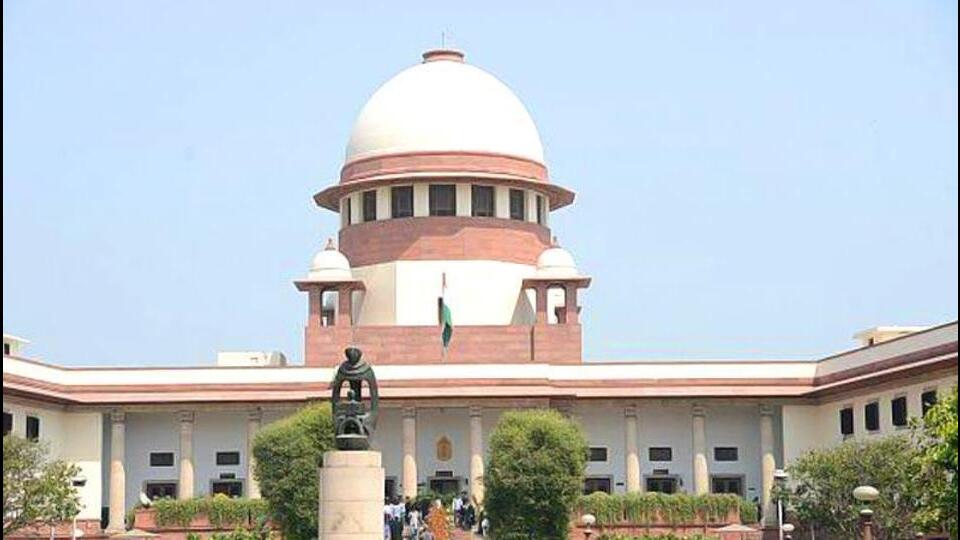
The Supreme Court on Monday reserved its verdict on a batch of pleas challenging the Tamil Nadu government decision allocating 50 per cent super-specialty seats in government medical colleges to NEET-qualified in-service candidates. “Order reserved,” said the bench comprising Justices L Nageswara Rao B R Gavai after hearing lawyers from both sides for almost one hour.
The state government vehemently defended its government order (GO) of 2020 by which it had directed that 50 per cent of the “Super Specialty seats (DM/ M. Ch.) in Government Medical Colleges are allocated to NEET qualified in-service candidates of Tamil Nadu and the remaining 50 per cent seats are allocated to the Government of India / Director General of Health Services.” The apex court heard a battery of advocates including senior lawyers Dushyant Dave, Shyam Divan, and Gopal Sankarnarayanan for petitioners and Additional Advocate General Amit Anand Tiwari argued for the state government. “It is trite that allocation of seats for in-service candidates is not in the nature of a reservation but is a separate source of admission; secondly, the state is empowered to provide for such separate source of admission which is a policy decision to serve a larger public interest, and the same, in no way, compromises the minimum standards prescribed by the Central legislation,” Tiwari argued.
The Tamil Nadu government said the prescribing quota for in-service candidates is a “separate source of entry and not a reservation” and it serves the laudable purpose sought to be achieved by making special provisions for such doctors who would be then available for serving in rural areas.
Taking away the power of the state to provide for sources of admission would violate the federal structure and lead to complete centralization of policy-making in areas where the state is competent to make laws and policy, it said, adding that in the present case, “public health and hospitals are covered by Entry 6, List II (state list) in the Constitution”.
As many as six petitions against the GO of the state government are pending adjudication in the top court.


