
 E-Paper



SC's big relief to DMRC, not liable to pay ₹8,000 cr to RInfra's subsidiary
SC's big relief to DMRC, not liable to pay ₹8,000 cr to RInfra's subsidiary

 Prefer HTon Google


The Supreme Court has overturned its prior ruling that compelled the Delhi Metro Rail Corporation (DMRC) to pay an arbitration award of around 8,000 Cr to Reliance Infrastructure's subsidiary, Delhi Airport Metro Express Private Limited (DAMEPL).
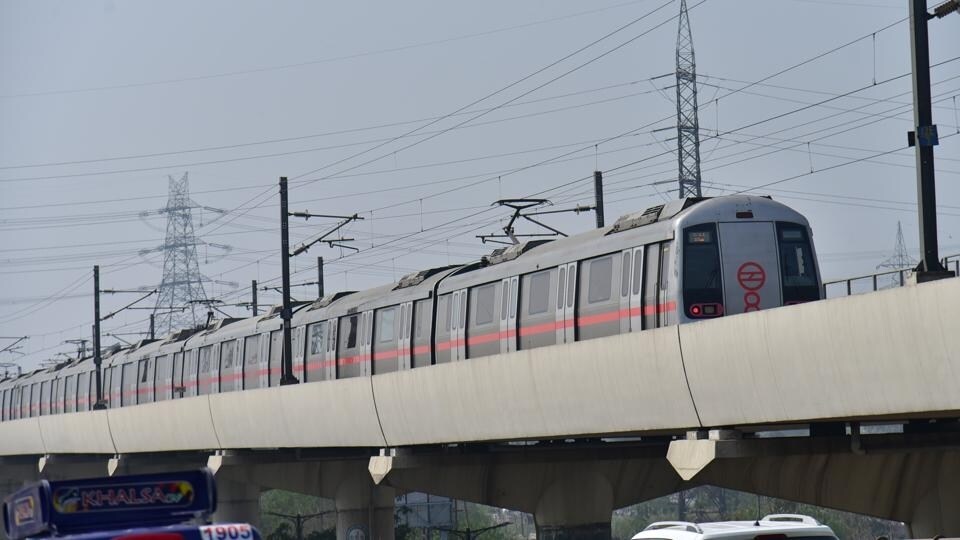
In a significant ruling, the top court said there was a "grave miscarriage of justice" in the directive instructing DMRC to honour the arbitration award. Consequently, the court has mandated the refund of all sums previously disbursed.
ALSO READ- Union Cabinet approves two new Delhi Metro corridors
A bench led by chief justice D Y Chandrachud granted permission for the curative plea filed by the DMRC regarding the dismissal of its revision plea against the arbitral award.
The DMRC's appeal and review petitions, contesting the arbitral award demanding it to pay ₹8,000 crore to DAMEPL, were rejected by the Supreme Court. However, after hearing the curative petition, the court reserved its verdict.
DMRC had previously said that it paid ₹1,678.42 crore, part of its total liability of ₹8009.38 crore.
ALSO READ- Deepfake used in video of girls playing Holi inside Delhi metro? DMRC says...
What is the case?
DAMEPL, a subsidiary of RInfra Limited owned by Anil Ambani, expressed concerns about safety in continuing the contract for operating the 22.7km Airport Metro Express line. Consequently, DMRC terminated the contract in October 2012.
An arbitral tribunal awarded DMRC against the consortium of Reliance Energy Ltd (now Reliance Infrastructure) and Construcciones y Auxiliar de Ferrocarriles SA on 11 May 2017. DAMEPL cited DMRC's failure to address defects in the structure supporting the Airport Metro Express line.
The tribunal conducted a thorough investigation and identified 1,551 cracks in 367 girders, with 80 girders having twists ranging from 10 to 20 mm. It concluded that these defects compromised the structure's integrity.
As DMRC did not take effective measures within the 90-day cure period, the tribunal determined that DMRC breached the concession agreement. Subsequently, the case went to Delhi high court and thereafter challenged in Supreme Court.
(Inputs from Utkarsh Anand and Abraham Thomas)


