E-Paper



Surviving partner is criminally liable for abetment in suicide pact: SC
The case generated widespread controversy after a postmortem doctor publicly suggested manual strangulation and sexual assault even before forensic reports.

 Prefer HTon Google


A surviving partner in a mutual suicide agreement is criminally liable for abetting the death of the other, the Supreme Court ruled on Tuesday as it affirmed the two-year jail term awarded to Gudipalli Siddhartha Reddy, who was in a relationship with South Indian film actress Prathyusha when she fatally consumed poison in 2002.
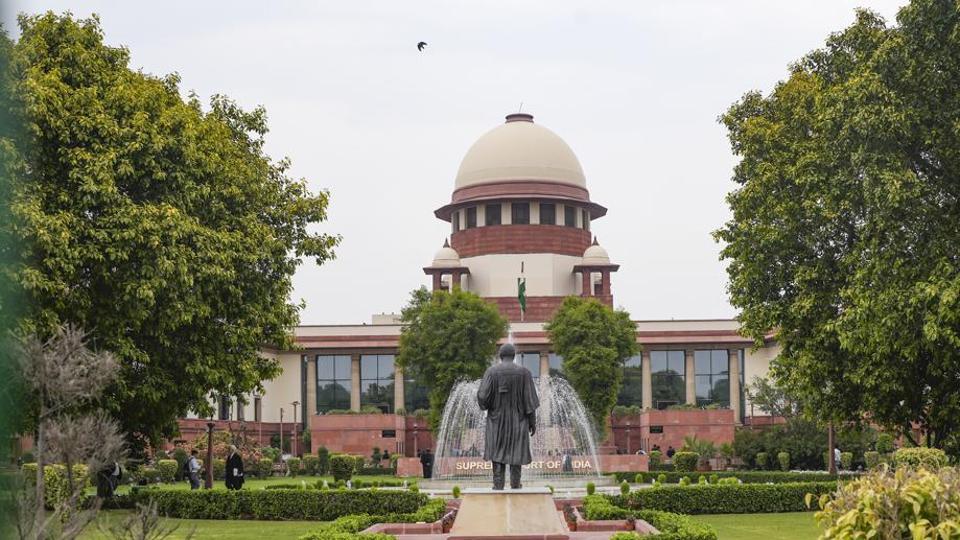
A bench of justices Rajesh Bindal and Manmohan held that Reddy’s conduct in entering into and acting upon a suicide pact “falls squarely” within the ambit of abetment under Section 107 of the Indian Penal Code (IPC). His participation, the court said, directly facilitated the actress’s suicide and attracted criminal liability under Section 306 (abetment to commit suicide) under the Indian Penal Code.
The court directed Reddy to surrender within four weeks to serve the remainder of his sentence, even as it rejected a plea by the Prathyusha’s mother demanding Reddy’s prosecution for the offences of murder and rape. The bench noted absence of evidence to corroborate such charges.
Prathyusha, who had acted as a heroine in several South Indian feature films, and Reddy, then an engineering student, had known each other for nearly a decade and intended to marry. While her mother eventually agreed to the match, Reddy’s family opposed it, with his mother allegedly threatening to die by suicide if he went ahead with the marriage.
On February 23, 2002, after informing Prathyusha of his mother’s threat, the couple met at a beauty parlour before leaving together. Later that evening, both were admitted to CARE Hospital after consuming poison. While Reddy survived and was discharged in March 2002, Prathyusha died. The prosecution case was that the couple consumed Nuvacron -- an organophosphate pesticide -- mixed with a soft drink. Evidence showed that Reddy had purchased the pesticide from a Hyderabad shop shortly before the incident.
The case generated widespread controversy after a postmortem doctor publicly suggested manual strangulation and sexual assault even before forensic reports were available. That claim triggered public outrage and demands for a CBI probe, which was ordered in March 2002.
The judgment, authored by Justice Manmohan, articulated the law on suicide pacts. The court clarified that abetment under Section 107 of IPC is not confined to physically supplying the means of death. Psychological assurance, reciprocal commitment and mutual encouragement -- if intentional and directly linked to the act, also constitute abetment.
“A suicide pact involves mutual encouragement and reciprocal commitment to die together,” the bench observed. Each participant’s resolve, it said, is reinforced by the other’s participation. Withdrawal by one could deter the other; therefore, the survivor’s presence acts as a catalyst, held the court.
“Suicide in a suicide pact is conditional upon mutual participation. If not for the active participation of both parties, the act would not occur,” said the court, underlining the State’s fundamental interest in preserving life.
“The law treats such conduct as abetment because the State has a fundamental interest in preserving life. Any assistance in ending life is treated as a crime against the State,” it added.

The court also noted that Reddy had not argued that he was coerced or pressured by Prathyusha into the pact. In these circumstances, his culpability stood established. “His participation directly facilitated the deceased’s suicide,” it declared.
However, the bench categorically ruled out homicide. It noted that Prathyusha was conscious when admitted to hospital and told doctors that she had consumed poison. Multiple medical witnesses testified to the absence of injuries consistent with strangulation. Forensic reports also confirmed the presence of organophosphate poison in her internal organs and in the stomach wash of both the deceased and the accused.
The court found the initial postmortem opinion “erroneous” and criticised its premature publication, observing that such conduct could derail investigations and distort public perception. “The Court emphasises that justice is not served by following majority sentiment or public pressure…While public outrage is understandable in high-profile cases, it should never dictate the course of inquiry. Allowing public sentiment to shape outcomes risks miscarriages of justice,” it further underscored.
The sessions court had originally sentenced Reddy to five years in jail. The Andhra Pradesh High Court in 2011 reduced the sentence for abetment to two years. Upholding the high court’s decision, the Supreme Court dismissed the appeal as “bereft of merits” and ordered Reddy to surrender within four weeks.