
 E-Paper



Taking stock of the climate crisis
India faces severe cyclones, drastic monsoons, rapidly melting glaciers and droughts, which necessitate disaster preparedness, and early warning systems.

 Prefer HTon Google


India has seen several climate-related disasters during the past decade that have highlighted the severity and immediacy of the climate issue. These occurrences, ranging from severe weather patterns to natural disasters, have significantly influenced the environment, the economy, and the lives of millions. I highlight some of the climatic events that have occurred in the recent past and the perils brought about due to them.
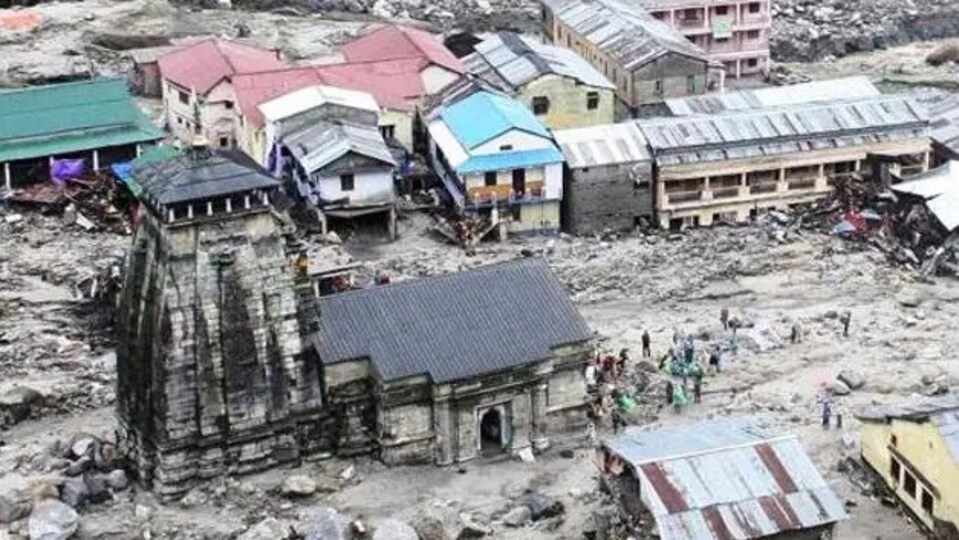
Melting Himalayan glaciers
The Himalayan glaciers crucially maintain India's water supplies. However, the melting of glaciers has been hastened by warming temperatures, creating long-term risks to water security. According to a 2016 study led by Atanu Bhattacharya and published in the Journal of Glaciology, Gangotri and its tributary glaciers experienced predominant downwasting (wearing down of a landmass by weathering and erosion) between 1968 and 2014 with an average thickness decrease of 10.5 ± 7.2 m resulting in an average mass loss of 0.19 ± 0.12 m.
The study reinforced that the glacier length change is a delayed response to climate change and, in addition, is affected by debris cover. In contrast, glacier mass balance is a more direct and immediate response. Glacier mass balance refers to the overall change in mass of a glacier over a given period, typically measured annually. It takes into account the balance between the accumulation of snowfall and the loss of ice through melting, evaporation, and other processes, providing insights into the health and behaviour of glaciers in response to climate conditions.
The retreat of the Gangotri Glacier has far-reaching effects since rivers feed people downstream. Water shortage threats might impact agriculture, hydropower production, and biodiversity. For the region to maintain ecological balance and long-term water availability, urgent action must be taken to counteract climate change and protect these glaciers. A June 2023 study by the International Centre for Integrated Mountain Development shows that glacier thinning accelerated by 65% during the 2010s compared to the prior decade. By 2100, around 80% of the existing glacier mass will be gone if greenhouse gas emissions stay on their current course.
Heatwave deaths
The frequency and severity of heat waves have increased. According to the India Meteorological Department (IMD), the frequency of days with heatwaves has also been rising. In 2019, Churu in Rajasthan hit 50.8 degrees Celsius, and temperatures in some locations across India crossed the 50 degrees Celsius mark in May 2020. More recently, in June 2023, more than 100 people died due to heatwaves in Bihar and Uttar Pradesh.
The elderly and people working outdoors, like daily wage labourers, are two vulnerable groups, particularly in danger. Heat waves also affect agriculture, causing crop failure and a lack of water for drinking and irrigation. To lessen the negative consequences of heatwaves and safeguard vulnerable areas, immediate action is required, including upgraded infrastructure.
Extreme rainfall-related events
There has been an increase in erratic rainfall patterns, characterised by heavy downpours and protracted dry periods. Floods and landslides are increasingly common due to more frequent extreme rainfall occurrences.
Farmers face considerable difficulties because of this fluctuation since it impacts crop growth, water availability, and overall food security. Extended dry periods result in drought conditions, which affect livelihoods and exacerbate the shortage of water.
Devastating storms, like the Kerala floods in 2019, uprooted thousands of people and severely damaged infrastructure. In 2022, hill states such as Himachal Pradesh and Uttarakhand reported incessant rainfall leading to floods.
It takes investments in irrigation infrastructure, climate-resilient farming practices, and sustainable water management practices to adapt to this monsoon fluctuation.
Coastal livelihood imperilled
Cyclones wreak havoc, take lives, and uproot populations, and thus pose a serious threat to coastal areas. The fragility of coastal communities has recently been brought to light by cyclones like Fani in 2019, Amphan in 2020, Tauktae and Yaas in 2021, Asani in 2022 and Biparjoy in 2023, to name a few. To lessen the effects of severe cyclones and protect the lives and livelihoods of coastal residents in India, it is essential to have adequate disaster preparedness, early warning systems, and robust infrastructure.
Severe drought worsened food insecurity
In 2016, a severe drought affected up to 330 million people nationwide, reducing agricultural yields, animal losses, and financial difficulty for farmers. Communities that lack access to clean water face a severe challenge of water shortage. These factors make migration, food insecurity, and poverty worse.
India faced drought-like conditions again in 2021, exacerbating the nation's continuing water issue. Due to below-average rainfall, several areas, including Maharashtra, Gujarat, Rajasthan, and portions of Karnataka, experienced severe water scarcity. The drought crisis had a negative impact on agricultural operations, resulting in failed crops, lower yields, and financial hardship for farmers. In rural regions with a high reliance on agriculture, the impact on livelihoods was particularly severe.
To lessen the catastrophic consequences of drought on India's people and economy, it is essential to implement effective drought management policies, water conservation efforts, and investments in resilient farming techniques.
Anjal Prakash is Clinical Associate Professor (Research) and Research Director at the Bharti Institute of Public Policy, Indian School of Business. He contributes to IPCC Reports.


