
 E-Paper



Telecom Act has no surveillance provision, says MoS in Parliament
Minister denies telecom surveillance provisions in Telecommunications Act, 2023, despite experts pointing to interception powers in Section 20.


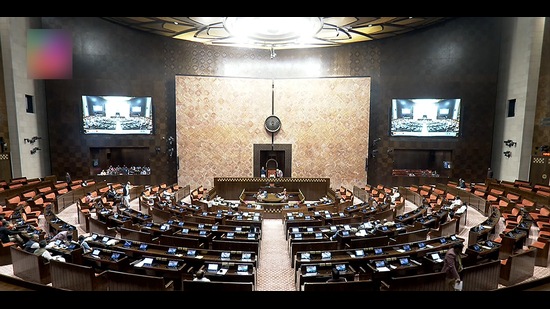
Pemmasani Chandra Sekhar, the minister of state for communications, told Rajya Sabha on Thursday that the Telecommunications Act, 2023, does not have any provisions for telecom surveillance, in response to a question by Trinamool Congress MP Mausam Noor. “The Act does not have provision for telecom surveillance,” the response read.
This response, however, struck experts as odd given that section 20 of the act, which was brought into force on June 26, provides for interception for national security, public order, and other allied reasons.
“The parliamentary response from the minister of state for communications is baffling as Section 20 of statute clearly provides for interception in certain circumstances. Hence, the response as provided on the floor of the house that the 2023 statute contains no provision for surveillance is beyond comprehension in face of expressed statutory language, especially when he admits that Section 20 has been brought into force,” Priyadarshi Banerjee, partner at Delhi-based Banerjee & Grewal Advocates, said.
“Interception is a subset of surveillance. The two cannot be disconnected,” Banerjee explained.
The executive director of digital rights organisation Internet Freedom Foundation, Prateek Waghre too said the response was puzzling since “Section 20(2) of the Telecommunications Act, 2023, includes interception powers, much like Section 5(2) of the Indian Telegraph Act, 1885”.
Noor had also asked for a list of authorised agencies that can order “telecom surveillance” under the Telecom Act, and the oversight mechanisms in law that can stop the abuse of telecom surveillance by security agencies.


