E-Paper



To prioritise higher paid workers, US plans H-1B lottery based on wages
DHS plans to change the H-1B visa program, prioritizing higher-paid, skilled workers, making it tougher for entry-level applicants, especially Indians.

 Prefer HTon Google


The US Department of Homeland Security (DHS) formally notified its intention to make further changes to the H-1B visa program by prioritising applications for higher skilled and higher paid foreign workers.
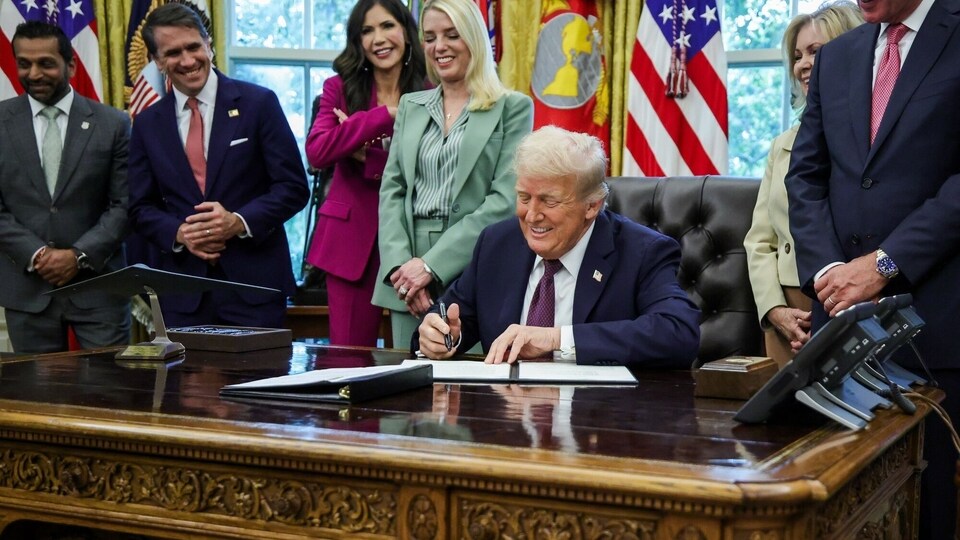
In a notification released on Tuesday, the DHS stated that it plans to amend the random visa lottery in favour of a weighted selection process that favours more highly paid applications. The change—along with the $100,000 H-1B visa fee hike announced by US President Donald Trump last Friday—is expected to make it harder for entry-level talent, especially Indians, to secure visas to work in the United States. The DHS has now invited public comments on its proposal to change the H-1B visa lottery.
The change is expected to address concerns raised by conservative politicians in America, who allege that US companies have used a program to hire cheaper foreign workers while undercutting US-born talent. The Heritage Institute, an influential conservative think tank, argued that most of H-1B positions were not filled by highly skilled and highly paid workers who filled specialised roles. Instead, the major beneficiaries of the programme were entry level workers from India and China in their mid-twenties, many of whom were paid below-median wages.
“Having a wage based lottery system would decrease total demand for skilled immigration, particularly affecting aspiring immigrants who are entry-level workers,” says Sophie Alcorn, a Silicon Valley based immigration lawyer, who works closely with Indian professionals on H-1B visas.
When a US employer wants to hire a foreign professional under the H-1B visa program, the first step is filing a Labor Condition Application (LCA) with the US Department of Labor. By submitting the LCA, the employer commits to paying the worker at least the prevailing wage—a benchmark salary established by the government that reflects the typical pay for a given occupation in a specific geographic area. This system is designed to prevent foreign hires from being paid less than comparable American workers.
After the LCA is approved, the foreign candidate’s petition enters the annual H-1B lottery, which randomly allocates about 85,000 visas each year. If selected, the employer can then move forward with completing the full H-1B petition process.