E-Paper



Tribal woman breaking barriers
Jayanti Buruda briefly worked at one mainstream Odisha TV channel for roughly six months but realised that there was no appetite for stories from Malkangiri or tribespeople.

 Prefer HTon Google


Bhubaneswar For decades, the only news coming out of the dense forests of Malkangiri was about encounters between Maoists and the police, and the tribal people who’d end up dead. In this remote Odisha district, literacy rates were low and health care non-existent, making the lives of women residents especially precarious. Nothing, it seemed, would change.
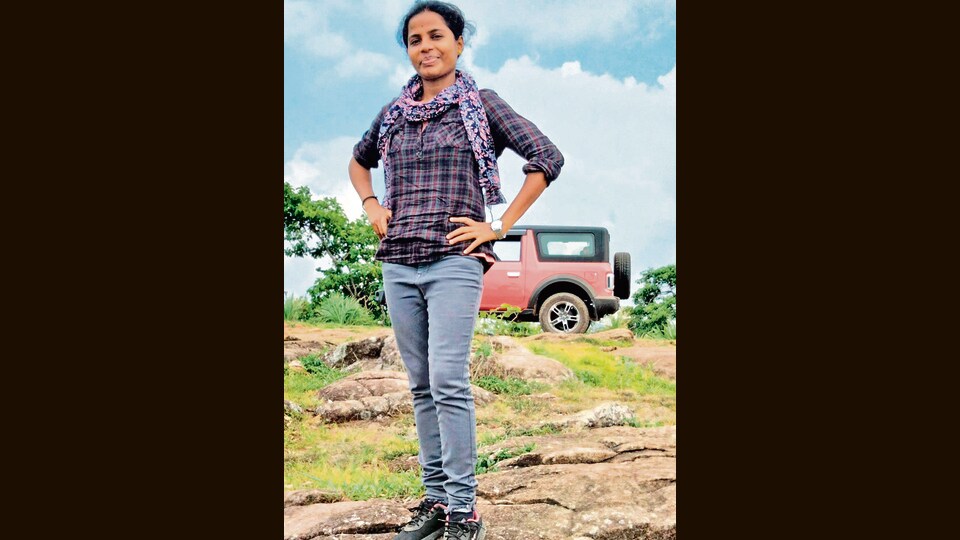
Jayanti Buruda was having none of it. Growing up, the tribal woman saw that the only people the authorities took seriously in the district were journalists, but that no one from her community ever had the power to make their voice heard.
“No one in my village or tribe have even been journalists. My father did not like it when I told him I wanted to be one. But I realised that officials listened when journalists asked questions, and I knew it was the best way to be heard,” said Buruda.
Today, the 35-year-old woman from the Koya tribe is among a handful of tribal woman journalists in India. She is also the only one who speaks Koi, the language of her minuscule tribe that numbers only about 140,000.
Born in a family with 11 children in the Serpalli village of Malkangiri, Buruda grew up helping her family gather wood, graze cows and pluck mahua flowers until she enrolled in a local school with her sisters. After finishing her graduation in Malkangiri town, she battled social and family censure to pursue a masters degree in journalism in 2014.
She briefly worked at one mainstream Odisha TV channel for roughly six months but realised that there was no appetite for stories from Malkangiri or tribespeople. “For them, Malkangiri would be discussed only for Maoist-related stories,” she said. Struggling with little pay and no outlets, she applied for a scholarship that helped buy her own laptop and camera, helping her to start Jungle Rani, a social media-based news platform with the tagline “Ama kahani, ama dwara, ama pain” (Our story, by us, for us). Subscribers of Jungle Rani are around 150, but Buruda knows the platform has a bright future. Last year, she made it to Forbes India W-Power list which features 23 self made women of the country.
Money is still tight and payouts from social media outlets indifferent; plus, there are always security concerns in a region ravaged by guerilla fighters and state forces. “As a woman journalist, it is tougher spending hours in the field and then worrying about returning home before evening. So I have taken lessons in martial arts in case I need to fight back,” she said.
Buruda has trained more than 50 tribal women of Malkangiri who write scripts, prepare field reports and shoot and edit videos using mobile phones – all this in a tribe whose literacy rate stood at 11% in the 2011 census.”Her journey is not just about reporting; it’s a testament to resilience and the fight for representation,” said senior Odia journalist Sarada Lahangir.