
 E-Paper



Umar un Nabi, accused in Red Fort blast, was 'most radical doctor' in terror module: Investigators
A one-minute, 20-second clip, believed to have been recorded in April, features Dr Umar Un Nabi alone in a room speaking in English about suicide bombing.

 Prefer HTon Google


Investigators in Srinagar probing the Red Fort car blast say Umar un-Nabi, the doctor who drove the explosive-laden Hyundai i20, was the most radical among the white-collar terror network, firmly believing in suicide bombings.
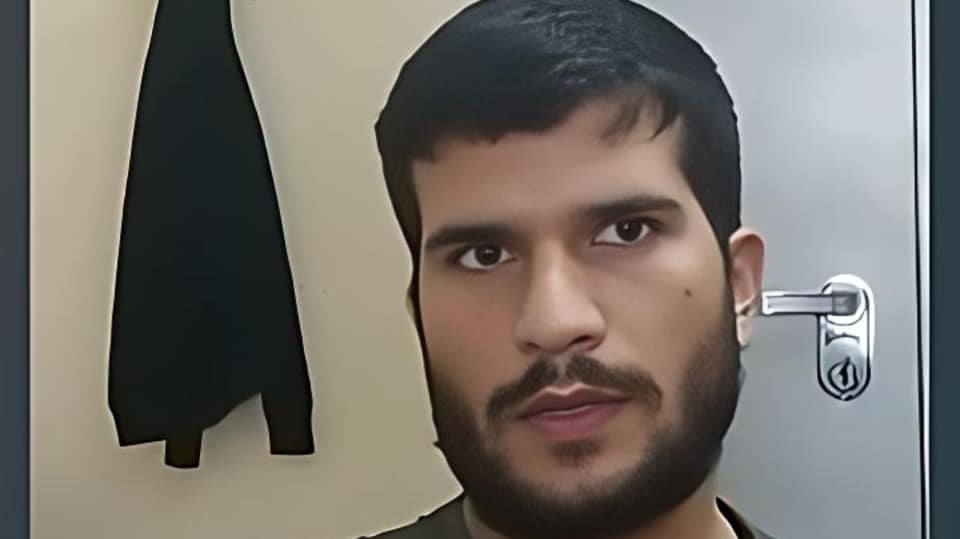
Their assessment has gained sharper focus after a video recovered from a damaged mobile phone showed Nabi defending suicide attacks and likening them to “martyrdom”, an indication that he may have been attempting to radicalise others.
The one-minute, 20-second clip, believed to have been recorded in April, features Nabi alone in a room speaking in English about suicide bombing.
The video was retrieved from a phone recovered from a water body near his home in Koil, Pulwama.
According to a Delhi Police officer aware of the probe, Nabi handed the mobile device to his brother Zahoor Ilahi during a September-October visit, instructing him to dispose of it if he “ever heard news” about him.
Zahoor later told investigators about the phone after being detained, enabling forensic experts to extract the data despite extensive damage.
No government agency has officially confirmed retrieving the video, and its authenticity has not been independently verified.
However, people aware of the matter told HT the clip is now part of the investigation, and members of the “white-collar” terror module under arrest will be questioned on why it was recorded.
The National Investigation Agency (NIA) on Sunday confirmed that Nabi, a doctor from Faridabad’s Al Falah University, was the suicide bomber who used a vehicle-borne improvised explosive device (VBIED) to trigger the November 10 Red Fort explosion, killing at least 12 people. His identity was established after DNA collected from the blast site matched samples from his mother. His two brothers and mother were detained soon after his name surfaced.
Forensic teams recovered the device from the water body, and officers believe the group of doctors may have been attempting to replicate the 2019 Pulwama suicide attack. Arrests and searches have widened across multiple states.
Police say Nabi was using at least two phones at the time of the blast, and investigators are working to determine how many devices and SIM cards he had in total.
Three doctors - Dr Muzammil Ganaie, Dr Shaheen Shahid and Dr Adeel Rather - have so far been arrested. Rather’s brother, Dr Muzzaffar, suspected to be part of the network, is believed to be in Afghanistan.
Investigators are also searching for Dr Nissar ul-Hassan, who worked with Nabi, Ganaie and Shaheen at Al Falah University. Several other doctors have been questioned.
The Delhi Police Special Cell, probing the broader conspiracy behind the procurement of explosives and vehicles, is examining whether the module sought to replicate the modus operandi of the 2019 Pulwama attack, in which a car loaded with explosives was detonated beside a CRPF bus, killing 39 personnel.
Former Jammu and Kashmir police chief SP Vaid said videos such as the one attributed to Nabi are used to “brainwash vulnerable young people” in the Valley and warned that the willingness of educated professionals like doctors to carry out suicide missions is “alarming”. He said community leaders must be involved to counter indoctrination.
(With inputs from Prawesh Lama, Mir Ehsan and Jignasa Sinha)


