
 E-Paper



UP DGP orders police officers to curb burning of stubble, garbage, fine offenders
The DGP’s circular stated that the main problem in the rural areas was the burning of stubble, largely in western UP districts, while the burning of garbage in urban areas was a serious issue too.

 Prefer HTon Google


Uttar Pradesh’s director general of police (DGP) Hitesh Chandra Awasthy has ordered his officers to take steps to curb the burning of stubble in rural areas and garbage dumps in urban regions and fine those violating the guidelines issued by the Supreme Court in this connection.
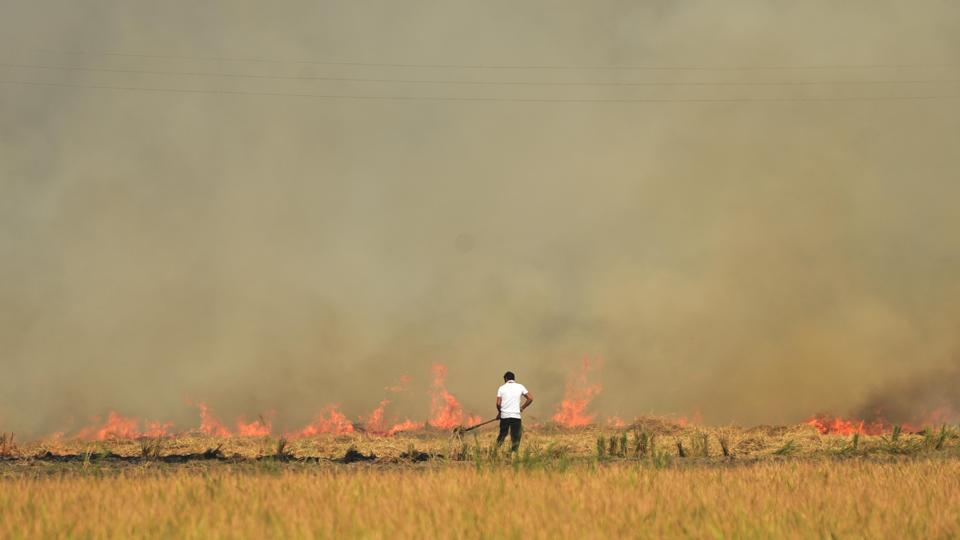
Awasthy issued a detailed circular to all district police chiefs, deputy inspectors general (DIGs), inspectors general (IGs) and additional directors general (ADG) in field postings amid reports of air pollution increasing to pre-lockdown levels in the state.
“The circular read that all officers should ensure effective enforcement of the Supreme Court guidelines to curb air pollution and improve air quality,” a senior police official privy to the development said.
He further explained the circular stated that the main problem in the rural areas was the burning of stubble, largely in western UP districts, while the burning of garbage in urban areas was a serious issue too. He said DGP asked the police officers to spread awareness among the public about the impact on air quality. The officials were also directed to engage people from other departments like the local administration, municipal corporations, its other bodies and village panchayats to sensitise people and ensure proper waste management.
Also read: Punjab sees six-fold rise in incidents of stubble burning in first 20 days of harvesting
The police officers should ensure that combined harvesting machines should be allowed only along with straw reaper to ensure no stubble is left behind, which is later burnt by farmers to clear the fields.
He said the DGP asked the officers to impose fines on farmers and people involved in burning stubble and garbage.
Pollution in Uttar Pradesh increased to pre Covid-19 levels as major cities have recorded ‘poor to ‘very poor’ air quality, as per data released by Central Pollution Control Board (CPCB) recently.
Major cities of Uttar Pradesh, including Noida, Ghaziabad, Lucknow and Kanpur recorded AQI (Air Quality Index) between 201 and 310 for the first time since the nationwide lockdown was imposed in March. AQI between 201 and 300 is termed as poor while that between 301 and 499 is termed very poor. Poor or very poor air quality can mean breathing difficulties and can harm human health over a long period of time.


