
 E-Paper



What, when, where? The essential monsoon guide
After days of relentless summer heat, storm accompanied by short spells of rain brought relief to Delhi. Here’s all you need to know about Monsoons in India.

 Prefer HTon Google


Meet the monsoon: Storms, thunder and then deluge. The monsoon always gets a big welcome. It’s not just a cool respite but the lifeblood of Asia’s third-largest economy.
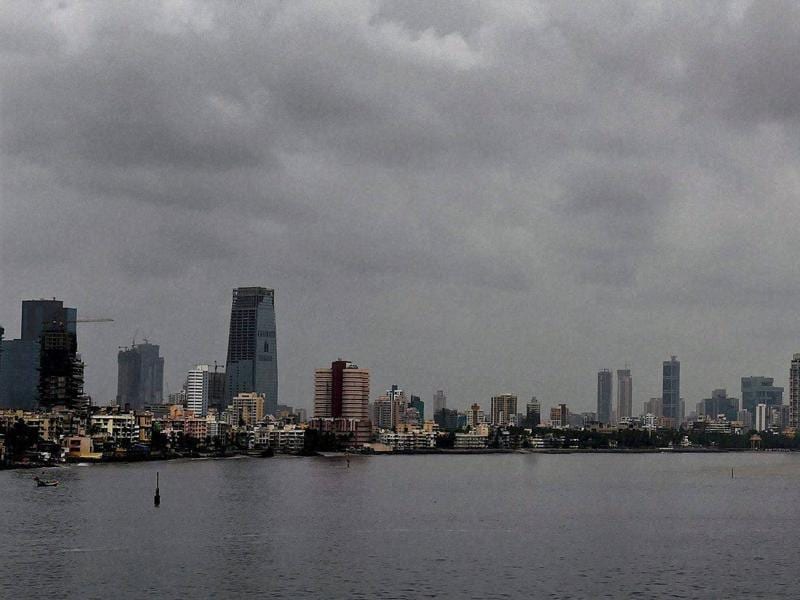
How does it come about?
The June-to-September monsoon is essentially a reversal of wind patterns. Simplified somewhat, cool ocean breeze blows over the hot Indian landmass to give rainfall. The monsoon’s first port of call in the Indian mainland is Kerala. It typically covers entire India in a month.
Normal onset date: June 1
This year: June 7-8
Do other nations get monsoons?
Until recently, monsoon was thought to be a distinctly Asian phenomenon. Monsoons, however, do occur in other locations of the world. Until the 1990s, there was a debate if the June-September rainy season in the US was indeed a monsoon. Meteorologists ultimately classified it as the North American monsoon.

How much rain is normal?
The weathermen use automated rain gauges, store all the rain over a length of time, then average it out. The 50-year-average of the Indian monsoon is 89 cm (nearly 3 feet). The monsoon is said to be normal when rainfalls are between 96%-104% of 89 cm. If between 104%-106%, it’s above normal. More than 110% is counted as excess.
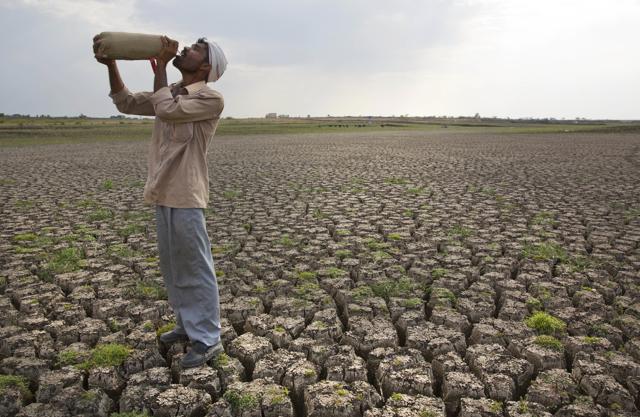
Why is monsoon vital?
Forty-nine per cent of all Indians depend directly on a farm income. Most crops depend on agriculture; poor rains stoke droughts. For good farm output, the rains have to be not just strong but evenly spread. Millions of farmers wait for the rains to begin summer sowing of crops, such as rice, sugar, cotton, lentils, coarse cereals and fruits.
What’s the economy link?
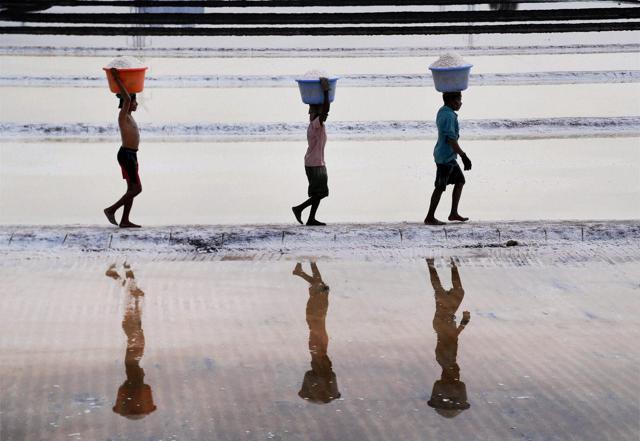
The rains replenish 89 nationally monitored water reservoirs vital for drinking, power and irrigation. When rains lead to robust farm output, rural incomes rise and spending goes up on almost everything – television sets to gold. Rural buyers are a huge market. Forty-eight per cent of all motorcycles are sold in rural India. This heats up the demand-side of the economy. Quite simply, farm growth cranks up factory output. Jobs and income follow.
Do poor rains stoke inflation?
They do. Not all economists agree, though. They say the link isn’t clear. Food prices were moderate (less than 5%) during some bad monsoons (e.g.: 2002, 2003, 2005), but high (almost 15%) in some drought years (2010). Yet, droughts surely cut food output, hit farm incomes and risk inflation.
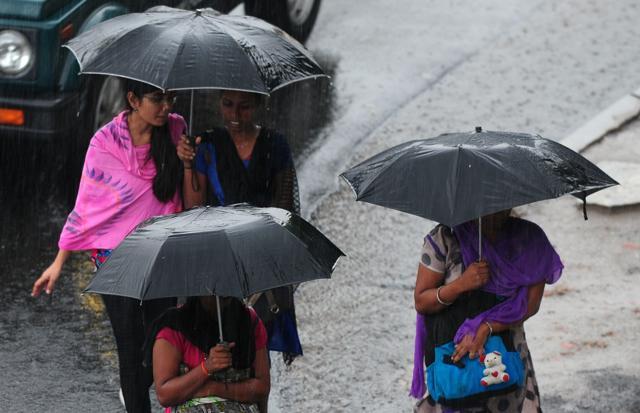
Why are the rains crucial this summer?
The monsoon is forecast to be above normal at 106% this year. Two years of drought have battered the countryside. Plentiful rains would lift agricultural incomes, provide tailwind to a rising GDP.
Shower to shower
Thiruvananthapuram
June 7-8
Normal regional rainfall range: 95-105%
2016 forecast: 113%
Bangalore
June 7-8
Normal regional rainfall range: 93-107%
2016 forecast: 113%
Hyderabad
June 7-8
Normal regional rainfall range: 94-106%
2016 forecast: 113%
Mumbai
June 8-9
Normal regional rainfall range: 94-106%
2016 forecast: 113%
Ahmedabad
June 13-15
Normal regional rainfall range: 94-106%
2016 forecast:113%
Patna
June 12-13
Normal regional rainfall range: 95-105%
2016 forecast:94%
Read | Collective farming, water budgeting: Purulia’s weapons against drought
Guwahati
June 7-8
Normal regional rainfall range: 95-105%
2016 forecast: 94%
Delhi
June 29-30
Normal regional rainfall range: 92-108%
2016 forecast: 108%
Read | The heat won’t stay: Met says rain and dust storms in Delhi from June 6
Jaipur
June 29-30
Normal regional rainfall range: 92-108%
2016 forecast: 108%
Chandigarh
July 1-2
Normal regional rainfall range: 92-108%
Forecast: 108%
Srinagar
July 1-2
Normal regional rainfall range: 92-108%
Forecast: 108%


