E-Paper



When MP government scrapped new community forest provision in 3 weeks
Tribal activists told the MP government that the FRA has a provision of community rights but the government formed a committee under Madhya Pradesh Panchayat Raj and Gram Swaraj Act 1993 without mentioning anything about FRA

 Prefer HTon Google


Bhopal: The Madhya Pradesh government rescinded its decision to set up community forest management committee in tribal areas on April 29, three weeks after it was notified as the new provision was not in accordance with the Forest Rights Act.
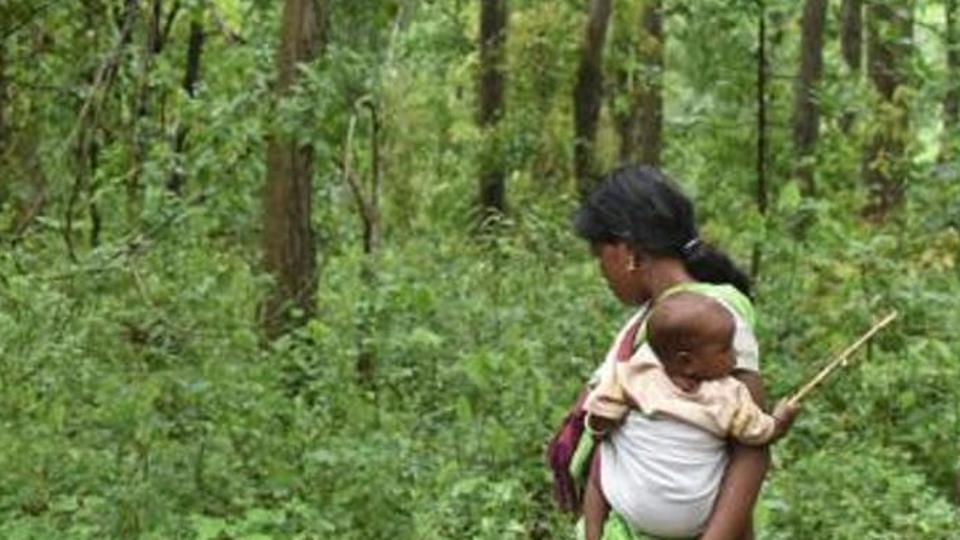
The Forest Rights Act (FRA) provides for individual rights to tribal and forest dwellers living in forests for three generations with a cut-off date of December 31, 2005, and community rights for common land used for grazing or places of worship of the local deity. While a large number of tribal and forest dwellers have received ownership rights for up to four hectares of forest land in India, very few community rights have been allocated.
In early April, Amit Shah announced the formation of community forest management committee to allow tribal communities to exercise control over land in forests. The MP government notified the constitution of the committee under Madhya Pradesh Panchayat Raj and Gram Swaraj Act, 1993, which authorises local panchayats to administer the villages.
“For the management of forest resources, the committee constituted on the proposal of the Gram Sabha as defined in the Madhya Pradesh Panchayat Raj and Gram Swaraj Act 1993 will be called “Community Forest Management Committee”, which will be also called the Forest Committee,” the notification said. The order, issued on March 11, superseded the October 2001 resolution of having joint forest management committees that had locals to manage community forest areas.
Nagpur-based organisation, Tribal Ethos and Economic Research (TEER) Foundation, director Milind Thatte met chief minister Shivraj Singh Chouhan in the third week of April to oppose the notification.
“We gave a presentation and convinced him (the CM) that the decision of forming a committee is nothing but a bureaucratic decision and against FRA. In the resolution, the state government talks about Panchayat Raj Adhiniyam but not about FRA. We informed the CM that in future they could have to face the wrath of tribals on this issue,” Thatte said.
Several other tribal activists also wrote to the government stating that FRA has a provision for community rights and the state government formed a committee under Madhya Pradesh Panchayat Raj and Gram Swaraj Act 1993 without mentioning anything about FRA, officials said.
On April 29, the state government repealed the decision and restored the October 2021 resolution with a slight modification. “The decision to give 20% amount of revenue to the Joint Forest Management Committee is incorporated in the said resolution from the financial year 2022-23,” said the repeal order issued by Padmapriya Balrishnan, secretary, forest, Madhya Pradesh.
The order also restored the provision of FRA, saying that while deciding the rights under the Scheduled Tribes and Other Traditional Forest Dwellers (Recognition of Forest Rights) Act, 2006, called FRA, the “rights of forest management” are given to the community/gram sabha, in those places where the forest is protected as per the provisions of the said (FRA).
Explaining the change, an official of the forest department said: “In MP, the state government has given only individual rights i.e., patta of houses under FRA. The state government has not provided any community rights so this decision is clear that the old system will remain in place with an additional provision of providing 20% of the revenue earned from the forest for tribal development.”
Tribal and human rights activist Madhuri, who only uses her first name, said, “The state government was trying to come up with a parallel system. They just changed the name of the joint forest management committee (JFMC) to the community forest management committee. JFMC earned a bad name because of interference from the forest department and exploitation of tribal rights, so the state government thought of changing the name. We were planning to stage a protest against it but the state government timely withdrew it.”
Principal chief conservator of forest (development) Chitranjan Tyagi said, “It was a policy decision and has been changed for the welfare of tribal.”