
 E-Paper



Why Joe Biden is skipping Republic Day celebrations on January 26? This is the real reason
The so-called aborted assassination of Khalistani terrorist Pannun is just a minor crinkle in the vast Indo-US bilateral canvas.

 Prefer HTon Google


US President Joe Biden will not be attending the Republic Day celebrations in New Delhi on January 26 next year. During their bilateral meeting on September 8 on the sidelines of the G20 summit, Prime Minister Narendra Modi had invited Biden to be the chief guest for the R-Day celebrations. The QUAD Summit, too, has been postponed and will be held later in 2024.
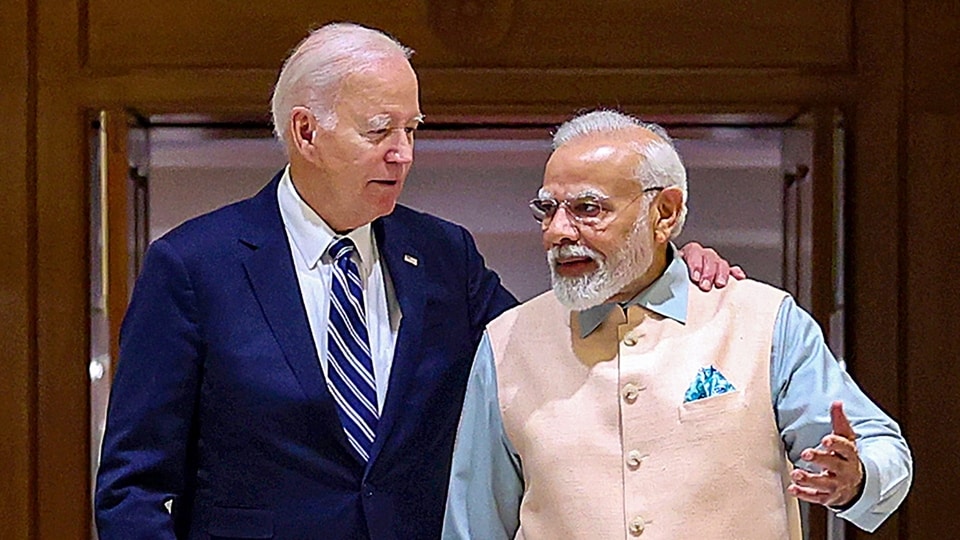
Some media reports had termed it as Biden's snub to India following the controversy surrounding the so-called plot to kill Khalistani designated terrorist and Sikhs for Justice founder Gurpatwant Singh Pannun on the American soil.
How credible are reports of Biden's ‘snub’ to India?
The so-called aborted assassination of Khalistani terrorist Pannun is just a minor crinkle in the vast Indo-US bilateral canvas. It was never intended to be the centrepiece. The reason why Joe Biden has cancelled his visit, initially announced by US ambassador to India Eric Garcetti in September, is primarily due to the US president's State of the Union address scheduled to take place before January 30.
This is a very important address as after this, Biden goes into the presidential election mode. In January 2025, you will have a new US president. It is another matter that last time the address took place on February 9.
Secondly, the basic reason why the US president is not coming because the QUAD summit has been postponed. The summit has been deferred primarily because Japanese prime minister Fumio Kishida cannot attend due to him facing serious problems within his own polity vis a vis the funding scandal. During this period, the Japanese parliament Diet is in session and Kishida has to be present in Tokyo to attend it.
ALSO READ: India- US ties are Teflon coated, Khalistani Pannun is side show
Third, the Australian National Day falls on January 26, 2024. So, Australian premier Anthony Albanese could not make it before that. So, the only date available was January 27, which was too close. Biden's political advisors told him that the date was too close to his State of Union address. As a result, the US president decided to back off to look at his political constituency as he is losing in political polls to Donald Trump. It is not at all related to the so-called aborted assassination of Gurpatwant Singh Pannun.
Did Gurpatwant Pannun issue feature during FBI chief's visit to India?
Federal Bureau of Investigation director Christopher Wray was in town for three days. He met the CBI director, RAW secretary Ravi Sinha, D-G NIA Dinkar Gupta and National Security Advisor Ajit Doval.
The Pannun issue was not discussed. The discussions took place on the Khalistani activities in the United States,particularly what happene at the Indian Consulate in San Francisco, activities in Sacramento and the Eastern Coast. The discussions also took place on how to stop money laundering activities, join hands in counter-terrorism and ensure funding to terror groups is stopped.
The reason why Pannun is not the key issue was the NSA heads the committee that is looking into the indictment carried out by the US justice department. The indictment has come but the evidence is yet to be shared. Once the evidence is shared, the Indian side will take the counter-measures to ensure that such things do not happen again, if India was ever involved in this.


