E-Paper



Wildlife Board considers wetland project norms in eco-sensitive zones, relocation
The minutes of the meeting of the National Board for Wildlife’s Standing Committee on August 19 are yet to be published

 Prefer HTon Google


Voluntary relocation of people from biodiversity-rich areas, buffer zones, or designated corridor areas, and guidelines for infrastructure development in and around wetlands within protected areas and their notified eco-sensitive zones were among the key agenda items for the National Board for Wildlife (SCNBWL)’s Standing Committee meeting on August 19. Decisions on these items will be available in the minutes of the meeting, which are yet to be published.
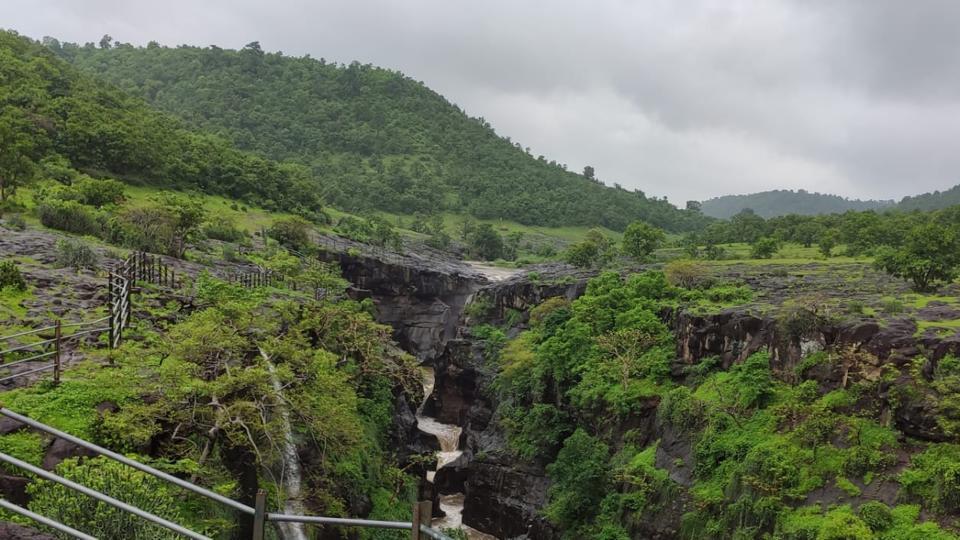
An in-house committee has been constituted to facilitate the guidelines for infrastructural development in and around wetlands located within protected areas and their designated eco-sensitive zones.
Birder and conservationist Anand Arya cited the agenda of the meeting on the Union environment ministry’s Parivesh website and asked how there could be any infrastructure project within a protected area. “The nature of infrastructure projects needs to be clarified. Are the wildlife and protected areas being opened? And for what kind of infrastructure? That needs to be defined first.”
The draft guidelines for SCNBWL’s consideration say they will apply to all new infrastructure projects proposed within or in proximity to wetlands located in protected areas and their notified eco-sensitive zones, and the operation and maintenance of existing infrastructure in such areas.
The general principles guiding these guidelines include that any action with the potential to cause significant harm to the wetland ecosystem shall be avoided. Avoidance will be prioritised over mitigation, and the ecological character of wetlands shall be preserved, including the maintenance of their natural hydrology, water quality, biodiversity, and habitat connectivity.
The do’s for new projects include a comprehensive inventory and GIS-based mapping of all wetlands within the protected areas and recording them in the management plan, physically demarcating core wetland zones, buffer zones, and catchment boundaries, limiting permanent construction in core wetland zones to essential wildlife or habitat management works approved by the competent authority, conducting a detailed ecological and hydrological impact assessment for all proposals in wetland buffer zones and retaining natural drainage patterns and ensure unobstructed inflow and outflow regimes.
They recommend the use of low-impact construction methodologies such as stilted or floating structures, boardwalks, and permeable surfaces.
The don’ts include that no construction should be undertaken without prior ecological and hydrological assessment, avoiding siting or designs that degrade, fragment, or alter the ecological character of wetlands.
The protected area manager/wildlife warden shall serve as the nodal authority for the enforcement of the guidelines. Wetland health indicators shall be incorporated into annual monitoring schedules. Annual compliance reports on all infrastructure within wetland buffer zones shall be submitted to the chief wildlife warden and the State Board for Wildlife. Violations shall be subject to action under applicable provisions of law.
The government is separately considering extending the policy of voluntary relocation applicable to the critical habitat of tiger reserves to critical biodiversity-rich areas in the buffer zone or in designated wildlife corridor areas, mainly because of increasing biotic pressures in these areas.
The meeting agenda noted that a large number of protected areas have human habitation within their critical habitats, which should be freed from increasing biotic pressure for the successful breeding of the wildlife. “The current policy allows for the voluntary relocation of villages from protected areas, such as tiger reserves, generally located within the core areas of these reserves. There is no such provision for communities residing in critical biodiversity-rich areas, or in buffer zones, or in designated wildlife corridor areas that generate multiple benefits to local communities and wildlife.”
The agenda noted that wildlife corridors are critical for landscape conservation plans as corridor fragmentation may disrupt critical migratory paths for wildlife. “Wildlife corridors allow for genetic exchange between different populations and reduce the risk of inbreeding, but these corridors often overlap with areas of human settlement.”