
 E-Paper



A month on, hard lessons for Modi govt in office
It has come sooner than anticipated but PM Narendra Modi, in his first month in office, would have realised that notwithstanding the scale of his mandate, running the central government is more complex than running the Gujarat government.


At a public event soon after Narendra Modi took office as PM, when the media reporting was almost universally adulatory, former UPA cabinet minister Jairam Ramesh remarked cryptically, “This government is still in the poetry phase. Let us see what happens when it enters the prose phase, when it has to make hard choices.”
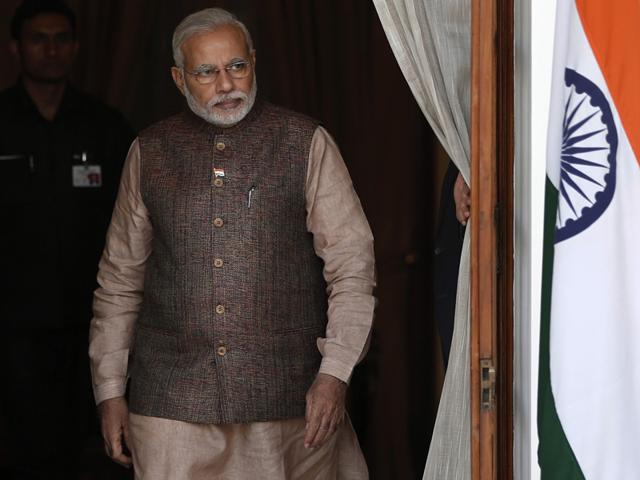
It has come sooner than anticipated but PM Modi, in his first month in office, would have realised that notwithstanding the scale of his mandate, running the central government from New Delhi is more complex than running the state government in Ahmedabad. There are diverse stakeholders, autonomous institutions, a weak but still assertive political opposition, and a media which is slowly finding its voice as a watchdog.
None of it is a deal-breaker, and it may be read as teething troubles, but Modi would not have been happy with the string of controversies. On Wednesday, former solicitor general Gopal Subramanium launched a scathing attack on the government for launching a ‘dirt-digging exercise’ against him, and withdrew his candidature from the position of a judge in the Supreme Court. He linked the government’s objection to his name with his role as amicus curiae in the Sohrabuddin encounter case.
Read: Gopal Subramanium lashes out at government after declining appointment as SC judge
The government may have succeeded in forcing out Subramanium from the race, but it has come at the cost of erosion of its credibility, and jeopardising the delicate executive-judiciary relationship.
When PM Modi pushed through an ordinance to appoint Nripendra Misra as his principal secretary, he amended an act that prevented a regulatory institution head from taking up government positions in the future. This has the possibility of compromising not just TRAI in particular, but regulatory institutions in general. The directive to promote Hindi may have been a carry-over from the UPA regime, but it gave ammunition to critics to accuse the BJP of linguistic chauvinism.
Read:Nripendra Misra appointed as principal secy to PM
The recent spat between the University Grants Commission and the former vice-chancellor of Delhi University may once again be a legacy of the UPA mismanagement. But the current incumbents have not managed it well, leaving the future of thousands of students in jeopardy.
Read:UGC cracks the whip on DU, asks colleges to begin admissions today
The rail fare hike, and now the partial rollback, suggests another contradiction at the heart of Modi’s governance agenda. He has asked people to be prepared for bitter pills, but his campaign was premised on creating better days. Like governments before him, he faces similar pressures from within the polity, of allies and public opinion.
Read:Cong, BSP activists hold protests against railway fare hike
It would be unfair to ascribe blame for all of this to Modi. And it is indeed too early to judge. But it has been a steep learning curve for the new Prime Minister. And he must have seen each choice has political costs in a complex eco-system that makes up the Indian state. The poetry has ended. Welcome to New Delhi, Mr Modi.


