
 E-Paper



Election Commission's silence makes parties more daring in 2014
Polls in India generally bring out the worst in parties, but hitting out at the Election Commission at every opportunity, besides the hate speeches aimed at polarising voters, is undoubtedly the flavour of Season 2014.


Polls in India generally bring out the worst in parties, but hitting out at the Election Commission at every opportunity — besides the hate speeches aimed at polarising voters — is undoubtedly the flavour of Season 2014.
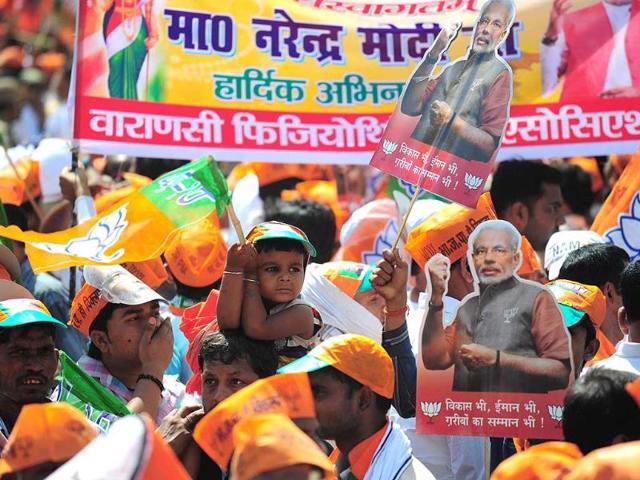
Even before the BJP and its PM candidate Narendra Modi accused the poll panel of bias, West Bengal CM Mamata Banerjee, Samajwadi Party leader Azam Khan and DMK leader Karunanidhi, among others, had taken on the commission.
Unlike in the past, the EC has decided this time to remain silent till Chief Election Commissioner VS Sampath on Thursday deplored the criticism. A day before deputy election commissioner Vinod Zutshi had said they took the “criticism” on a positive note.
Read: EC rejects allegations of bias, says Modi's Varanasi rally cancelled due to security
Some former election commissioners, however, blamed the commission for its image, saying it had been reactive rather than proactive in this election. “We nipped the offences in the bud. An explanation was sought from a leader as soon as instances of model code violation came to our notice. Nowadays, the EC takes a couple of days to react,” a former CEC, who refused to be quoted, said.
In the first week of April, Banerjee tried to defy the commission by not following its order to transfer eight officials deployed for poll duty. She said the commission didn’t have the powers to transfer officials without her consent.
Banerjee even dared the EC to take action against her government. But she relented once the commission threatened to invoke its Constitutional powers against the state government and initiate disciplinary proceedings against the chief secretary.
Read: Mamata remains adamant, tells EC won't transfer officials
Her arch rival in the state, the CPM also accused the EC of not doing enough to prevent rigging and violence. Modi also dared the EC to book him for accusing poll officials of favouring the Trinamool Congress.
“I am bringing serious allegations against you, the Election Commission. EC officials, who are likely to be present in this rally, and those elsewhere in the state, please take note of it. Please do your duty. Whoever has appointed you, it is your responsibility to ensure free and fair polling,” he said at a rally Asansol on Friday.
The commission also faced the charge of having double standards when it lifted the ban on BJP leader Amit Shah, but kept it on Samajwadi Party leader Azam Khan. Both of them were banned after they were accused of hate speeches in a bid to polarise voters in the riot-hit Muzzafarnagar.
Read: Notice to Azam Khan for abusing EC
The ban on Shah was lifted after he apologised, but Khan chose to stick to his statement. He even termed the poll body as the new CBI and said it was anti-minority and dictatorial.
Earlier, former Tamil Nadu CM and DMK boss M Karunanidhi cast doubt over the EC’s neutrality when refused to act on its complaints of bias against local poll officials.
He told reporters in April that they know whether the commission was neutral or pretending to be so.


