
 E-Paper



If the bowler was fixed, what was the batsman doing, court asks cops
The Delhi Police may have earned a pat on their back for busting the spot-fixing racket, but they have a difficult task ahead. They now need to prove “beyond reasonable doubt” offences of cheating, criminal breach of trust and criminal conspiracy against the arrested cricketers and bookies in court. Bhadra Sinha reports.


The Delhi Police may have earned a pat on their back for busting the spot-fixing racket, but they have a difficult task ahead. They now need to prove “beyond reasonable doubt” offences of cheating, criminal breach of trust and criminal conspiracy against the arrested cricketers and bookies in court.

The job was made more difficult with a Delhi court posing tough questions on Thursday. “If the bowler was fixed, what was the batsman doing? How come the bowler was giving 13 runs and batsman also made that many runs? What if he could not make that many runs? Who was the batsman when Chavan was bowling? There must have been something under his control too, after all, he has made runs. I wonder how can a bowler give away runs without the batsman?” additional sessions judge Vinay Kumar Khanna asked the police.
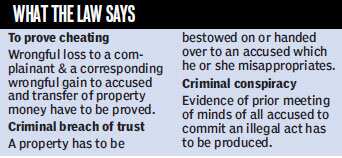
“The question here would be who suffered the loss,” asks advocate Tanveer Ahmed Mir. Criminal lawyer Shilpi Jain says: “Mere tapped conversation is not enough.
It has to be substantiated with evidence such as transfer of money. If it’s just two persons talking to commit an offence then it remains an allegation.”
Advocate Gopal Sankanarayanan too says the police need to back up their case with solid evidence.
But he says the fact that Sreesanth agreed to give away runs in lieu of money might amount to cheating the T20 League and his franchise. “It’s a fact that the bowler did not do what he was obliged to,” he adds. “Property in law has been defined as tangible. And it is not the case here.”


