
 E-Paper



Talks set to go ahead, but Pakistan terror on India hitlist
India has embarked on a two-pronged Pakistan policy aimed at engaging the Nawaz Sharif government through dialogue while retaining the option of retaliation against those resorting to cross-border firing (Pakistan Army) and terrorism (jihadi groups).


India has embarked on a two-pronged Pakistan policy aimed at engaging the Nawaz Sharif government through dialogue while retaining the option of retaliation against those resorting to cross-border firing (Pakistan Army) and terrorism (jihadi groups). This means India will engage Pakistan’s political leadership in order to strengthen democratic forces in the neighbourhood even as it responds in kind to non-state players. India’s response will be both disproportionate and unpredictable, top officials say.
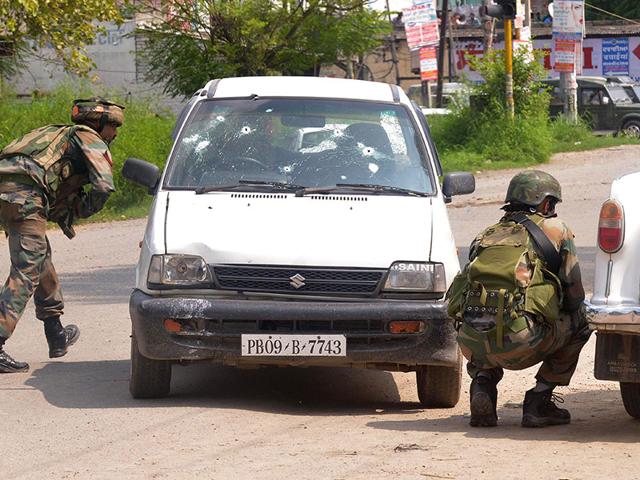
A day after the Gurdaspur terror attack, South Block is clear that the suicide attackers had come from Pakistan with the intention to force New Delhi to call off the dialogue by reviving violence in Punjab.
In spite of the provocation, the Narendra Modi government is on course to engage the Pakistanis on the basis of the recent Ufa joint statement with a National Security Advisor level dialogue followed by talks between chiefs of border forces and then the heads of military operations.
Read:Gurdaspur attack ends after 11-hour gunfight, 3 militants among 10 killed
South Block is clear, however, that it will punish any Pakistani adventure on the Indian side at a time and place of its choosing. What foreign secretary S Jaishankar publicly called “reasonable yet firm” policy with Islamabad was unveiled last July 16 when Indian border forces retaliated with force to Pakistan firing in the Jammu sector.
“National Security Advisor Ajit Doval had given a window to Pakistan high commissioner Abdul Basit to get the firing stopped. Once the warning was ignored, Indian forces retaliated with maximum impact. In case of Gurdaspur, we know which group is behind the attack. After all, if it walks and talks like a duck, we do not need any other confirmation,” said a senior Indian diplomat.
Although no evidence was recovered from the bodies of the three slain terrorists in Gurdaspur, prima facie investigation of the two recovered GPS devices reveals that the terrorists had come from Pakistan’s Sargodha district, infiltrated across the Punjab border, and planted five RDX bombs on the rail track outside Dinanagar before targeting the police station.
Punjab Police chief Sumedh Saini personally devised and supervised the counter-terrorist operation in Gurdaspur on Monday as the instructions from Delhi were to capture at least one of the three jehadis alive if possible. “We could have bombed the three terrorists out within an hour of the attack but Punjab Police was told to see if they could capture a jihadi alive. The brave SP (Gurdaspur) Baljeet Singh died in this attempt as he opened a door inside the Dinanagar police station to injure and capture a terrorist. Unfortunately, the jihadi fired a AK47 burst before he fell down as a result of which SP Baljeet was hit fatally on this forehead,” said a Indian counter-terror expert.
Top South Block officials say the Gurdaspur attack will not go unanswered but the retaliation will only be at an appropriate time. “The previous UPA regime believed in calibrated and cautious approach in dealing with Pakistan with the latter holding all the levers. This time every uncalled for action will have an unpredictable and disproportionate response,” said a senior official.
Read:Gurdaspur attack: CCTV footage shows terrorists in army fatigues
Pakistan envoy cancels visit to Chandigarh
Will give befitting reply if challenged: Rajnath after Gurdaspur attack


