
 E-Paper



Tracing events of 2013 from around the world
Here is an overview of international news, events and people in the news of 2013.


The year 2013 will be remembered for the Geneva agreement on Iran's nuclear programe, continued bloodshed in Syria, the fading hope for the Arab spring and Edward Snowden's leaks. The birth of a royal baby, election of a new pope and Lance Arstrong's admission of drug use and the Philippines' tragedy will also be counted as the highs and lows the world witnessed in the past 12 months.

Read on as we bring you an overview of international news, events and people in the news of 2013.
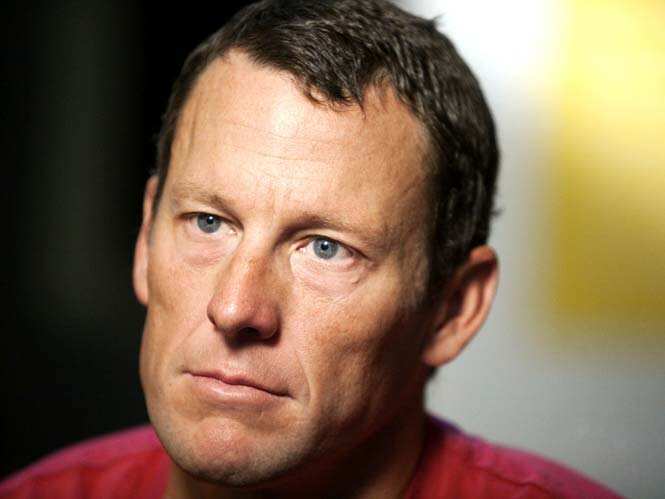
Yes I did, says Lance Armstrong
US cyclist Lance Armstrong, reversing years of denials, admits his seven Tour de France titles were fueled by an array of drugs.
In an interview with Oprah Winfrey, Armstrong ended his years of denials about systematic doping and said it would have been impossible to win one of his seven Tour de France titles without the drugs.
"I am flawed," the American said.
"Deeply flawed."
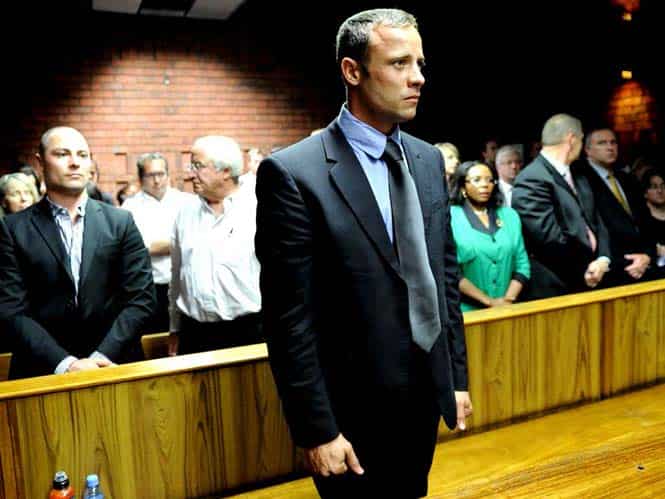
Oscar Pistorius accused of murder
Stunned disbelief greeted the news that Oscar Pistorius, South Africa's Blade Runner, had shot dead his girlfriend Reeva Steenkamp on Valentine's Day.
Pistorius told a Pretoria bail hearing: "I am absolutely mortified by the events and the devastating loss of my beloved Reeva."
Pistorius, a double amputee who uses carbon-fibre prosthetic blades to compete, will be tried for murder next year.
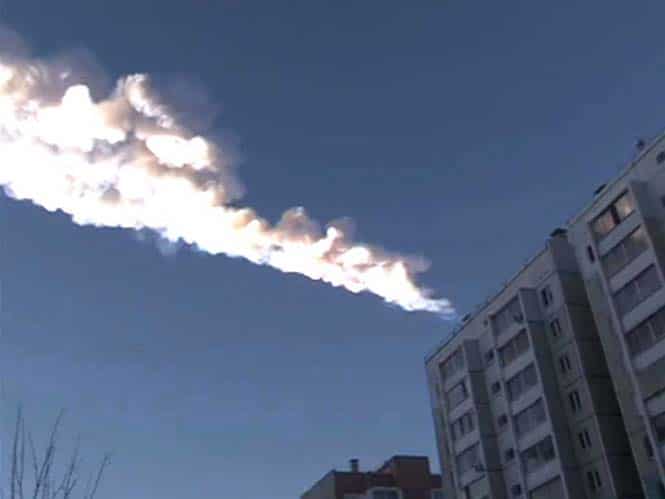
Streaking meteor
A meteor exploded over the Russian city of Chelyabinsk on February 15, injuring 1,491 people and damaging over 4,300 buildings. It was the most powerful meteor to strike earth's atmosphere in over a century.
Captured in spectacular footage by dozens of dashcams and surveillance cameras, the 10,000-ton meteor broke up at a 20-mile altitude, scattering debris across a wide area and generating a shock wave that knocked out electricity and cell service, and shattered over 1 million square feet of windows.
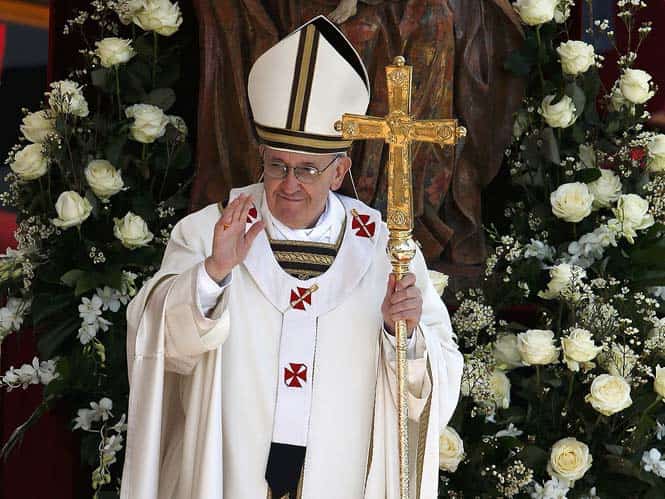
New pope
Jorge Mario Bergoglio, an Argentinian Jesuit, becomes the first pope from Latin America, choosing the name of Francis. His election follows the resignation of pope Benedict XVI, who became the first pontiff in nearly 600 years to cede his post.
He selected his name - the first Francis in the history of the papacy - after Saint Francis of Assisi the champion of the poor, and has since shaken things up, spearheading financial reform within the Vatican, challenging traditional Church views on homosexuality and women, and denouncing Western capitalism.
Boston bombings
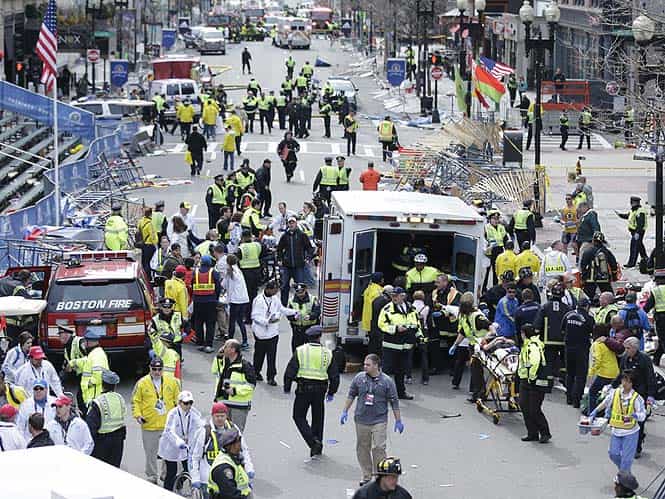
Two blasts near the finish line of the Boston Marathon kill three people and wound more than 100. They are believed to have been the work of two brothers of Chechen origin, Dzhokhar and Tamerlan Tsarnaev.
Tamerlan died later in a shootout with police, Dzhokhar was arrested.
Bangladesh building collapse
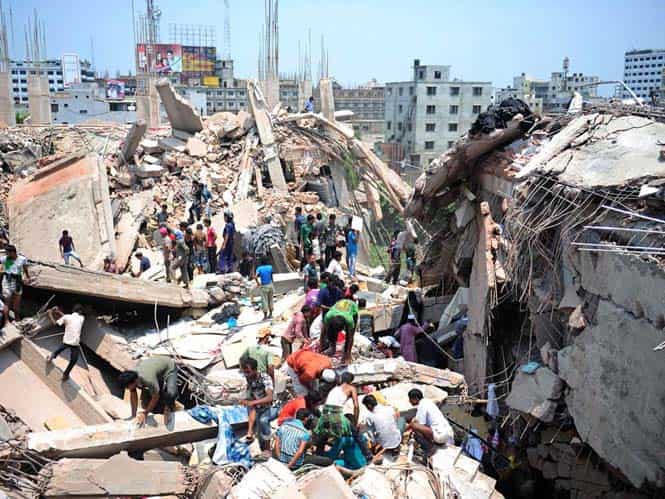
The collapse of the Rana Plaza building in the outskirts of Bangladesh's capital Dhaka was the worst industrial disaster in recent memory, killing over 1,100 workers.
The disaster forces discussions, domestically and internationally, of reform in factories that supply major retailers across Europe and America.
Iran's new leader, new reach
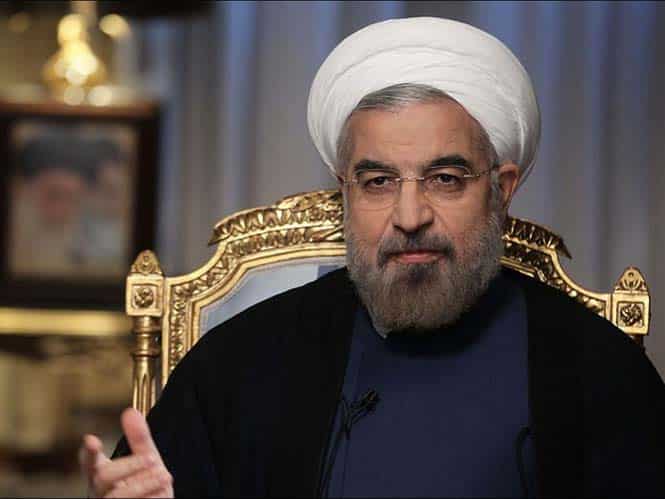
Moderate cleric Hassan Rouhani was elected president of Iran in June, ending eight years in power by hardliner Mahmoud Ahmadinejad marked by strong tensions with the West.
For the first time in more than 30 years, the presidents of the United States and Iran spoke to one another directly September 27. Rouhani, spoke by phone to President Barack Obama during Rouhani's trip to New York City to address the United Nations General Assembly.
In November, Iran and six world powers, including the US, reached a diplomatic deal to slow Iran's nuclear enrichment program in return for lifting harsh economic sanctions.
Snowden's leaks
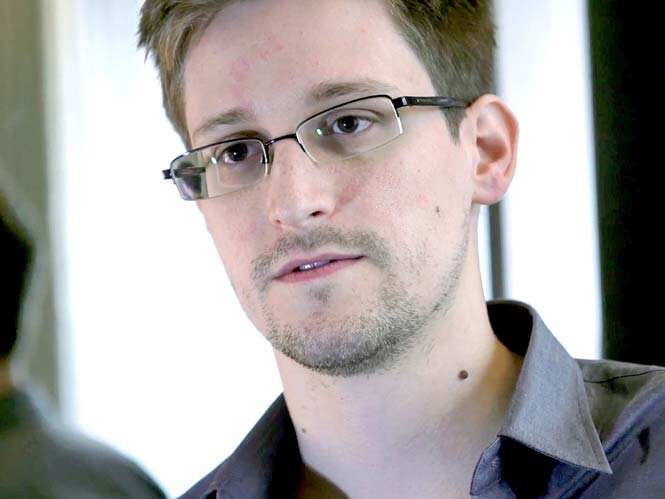
Rogue US intelligence technician Edward Snowden, who leaked information on spying by the United States, arrives in Moscow from Hong Kong, and was given temporary asylum despite a US arrest warrant after being confined to the airport for weeks.
The cache of documents released by NSA whistleblower Snowden shed light on the extent of US espionage operations in various parts of the world and threatened to damage US relations with some key international players, who claimed in public to be furious with the snooping in their own countries.
White House ally German Chancellor Angela Merkel demanded answers on allegations that the NSA had tapped her cell phone, and Brazilian President Dilma Rousseff who canceled a trip to the US and then, later, complained before a global audience at the UN about the "affront" to her country's sovereignty.
The repercussions echoed far outside the intelligence community: U.S. web companies could lose billions of dollars as international users turn to products they think are less prone to spying eyes. And it does the already tetchy relationship between Washington and Moscow little good when the latter is giving asylum to America's now best-known fugitive.
Turmoil in Egypt
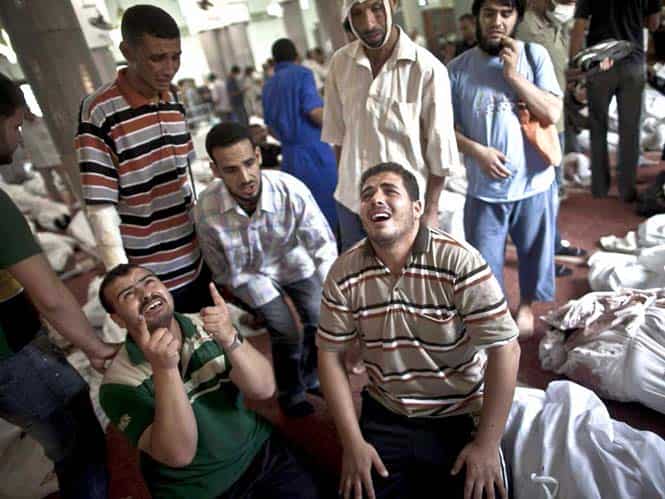
The army ousted Islamist president Mohamed Morsi, Egypt's first democratically-elected president, amid a wave of mass protests. A political crisis ensued, marked on August 14 by an assault on Morsi supporters in which several hundred are killed.
The move was welcomed by millions of Egyptians who had taken to the streets to protest the divisive, one-year rule of the Islamist president, who, critics said, exploited his position to simply consolidate the power of his Muslim Brotherhood.
A new prince is born
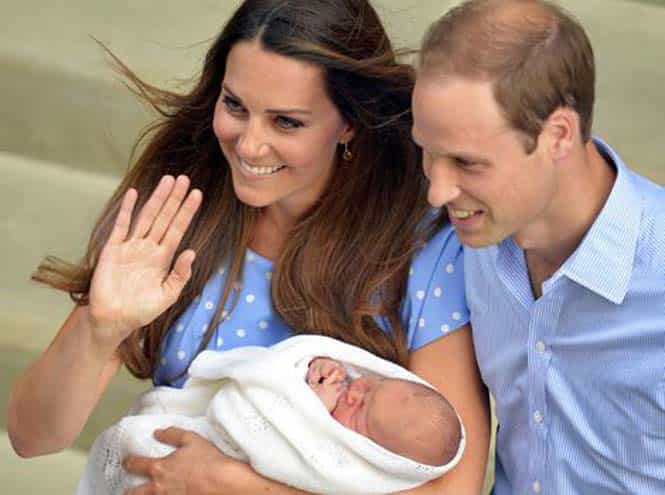
Prince William's wife Kate gave birth to a baby boy, providing the world's most famous royal family with a future king, George. The Duchess of Cambridge's pregnancy injected an estimated $347 million to an otherwise sluggish economy.
And he carries a big title: His Royal Highness Prince George Alexander Louis of Cambridge.
Syrian crisis
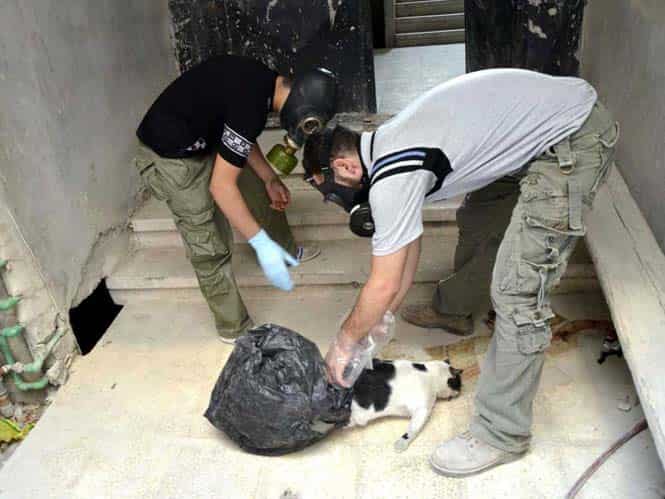
Thirty months into a civil war which has killed 120,000 people, in August Syrian troops are accused of chemical weapons strikes around the capital. Within hours of the attack, dozens of disturbing videos emerged on social media of children and adults gasping for air. Others showed bodies, many of small children, lined up in mosques and hospitals.
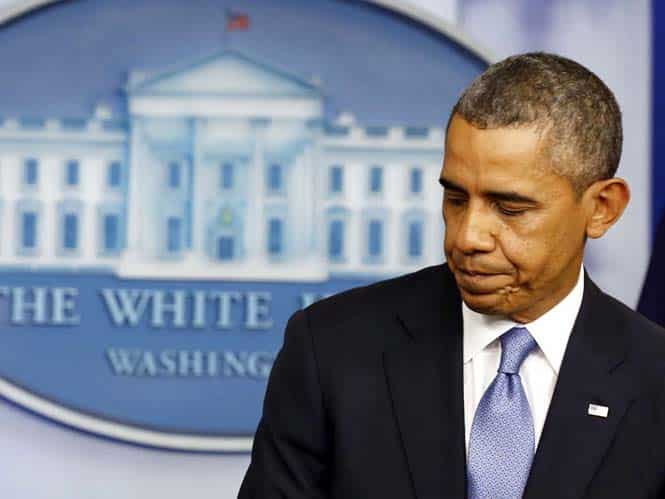
To respond to the attack, US President Barack Obama announced a few weeks later his intention to launch military strikes against President Bashar Assad's regime.
US believed Assad's forces waged the attack but Russia said Syrian opposition forces were responsible. On September 14, the US and Russia agree on a plan to eliminate Syria's chemical weapons, averting the threat of a US military strike.
Kenyan seige
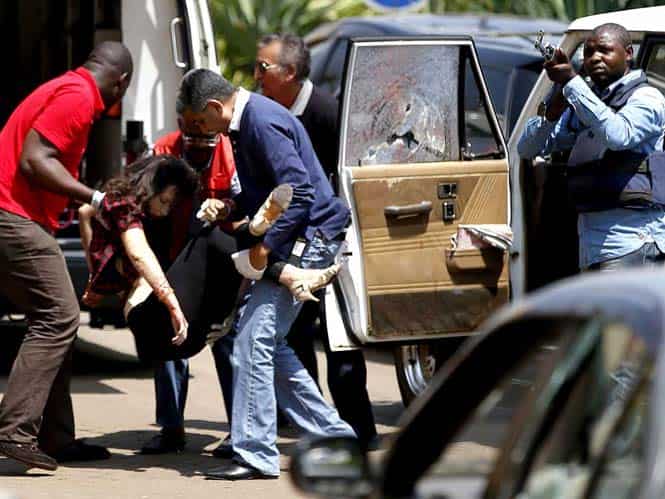
A four-day siege of the Nairobi Westgate shopping mall by Somalian al Qaeda-linked militants left at least 67 people dead and around 20 missing.
Kenyan security forces ended the attack by firing explosives inside the mall, causing the roof to collapse. All four gunmen were killed and authorities later charged four more men with aiding the militants in the attack.
The militants specifically targeted non-Muslims, and at least 18 foreigners were among the dead, including six Britons, as well as citizens from France, Canada, the Netherlands, Australia, Peru, India, Ghana, South Africa and China. Nearly 200 people were wounded.
US shutdown
The US government shut down for the first time in 17 years and 800,000 federal workers stay home amid a budget impasse in the US Congress. The shutdown began October 1, when a group of conservative House Republicans demanded a defunding of President Barack Obama's health care plan in exchange for passing a bill to fund the government.
Approximately 800,000 federal workers were initially furloughed by the shutdown, which closed national parks and landmarks and various government agencies.
Under the threat of the US defaulting on its debts and the specter of throwing the world economy into crisis, the Senate and the House passed a bipartisan bill October 16 to end the shutdown and fund the government until January 15, 2014.
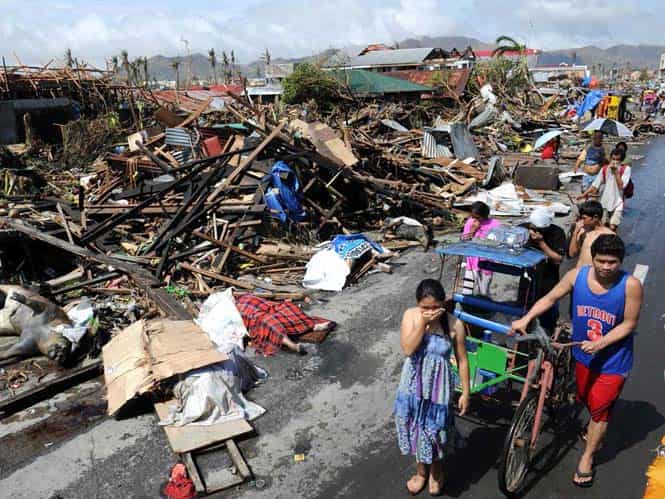
Haiyan hits the Philippines
Super Typhoon Haiyan -- one of the strongest storms on record -- sweeps through the Philippines' central islands, killing more than 5,200 dead, leaving their bodies under rubble, out to sea or laying uncollected in the streets of its flattened cities, and 1,600 missing.
Several Philippine islands were ravaged by one of the most powerful storms ever recorded. Survivors pleaded with the world for food, water and medical attention but it took days for a massive international relief effort to reach them.
The super typhoon is likely the deadliest natural disaster to hit this poor Asian nation, and may be the strongest storm ever recorded at landfall with gusts as high as 196 mph.
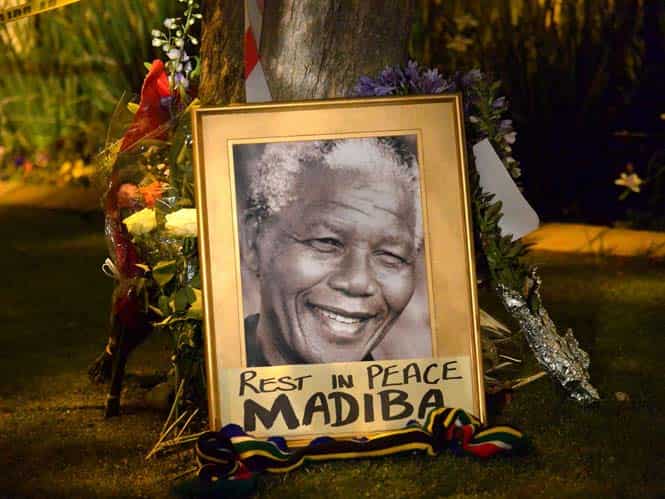
Mandela no more
Nelson Mandela, the anti-apartheid leader died in Johannesburg on December 5, aged 95, plunging his 53 million countrymen and millions more around the world into grief, and triggering more than a week of official memorials to the nation's first black president.
For 50 million compatriots, Mandela was not just a president, but a moral guide who led them away from internecine racial conflict. For the rest of the world he was a charismatic leader of the anti-apartheid struggle -- in turn a poet, saint and scholar.
(With inputs from agencies)


