
 E-Paper



Rajasthan: Opium husk ban from April 1 puts addicts, customs in a fix
A comprehensive ban on the sale of doda post, or poppy husk, from April 1 brings to a close an important chapter of Rajasthan’s social and political tradition.


A comprehensive ban on the sale of doda post, or poppy husk, from April 1 brings to a close an important chapter of Rajasthan’s social and political tradition. The drug has been an emotive issue in the state, symbolising societal bonding as well as political convenience.
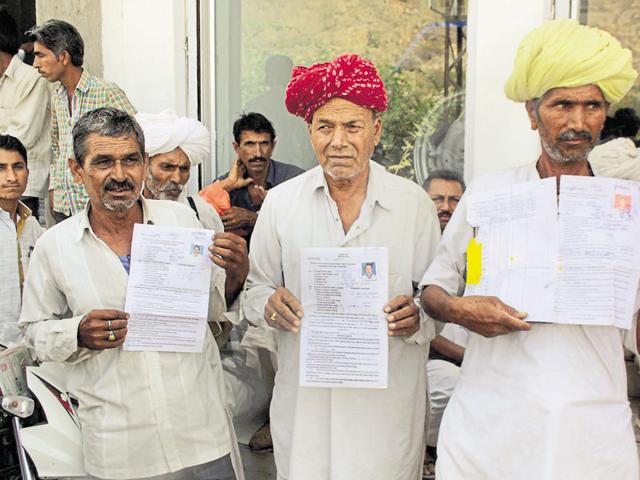
Serving drinks made of opium and poppy husk has been a long-standing ritual during ceremonies including weddings in western Rajasthan. Tradition turned into addiction over time and hooked thousands of users.
This forced election candidates to promise an adequate supply of doda post to voters apart from the customary assurances about roads, water and electricity.
Thousands of consumers queued up regularly at government-authorised shops in the districts of Jaislamer, Barmer, Bikaner and Ganganagar to get their fix. These were registered users who got a monthly quota endorsed by their doctors.
When there was a supply shortage in Barmer two years ago, hundreds of addicts protested and blocked roads, sending leaders scurrying to chief minister Vasundhara Raje with the request that she urge the Centre to not reduce the number of licenses and cultivation area for opium.
BJP stalwart Jaswant Singh also courted controversy for allegedly serving opium-laced drinks at a family function in his ancestral village. Authorities booked him and nine others under the Narcotic Drugs and Psychotropic Substances (NDPS) Act.
The government stands to lose Rs 100 crore in excise duty because of the ban, but politicians are more worried about the wrath of thousands of addicts. On Thursday, hundreds of users banned the national highway 15 at Barmer in protest.
While the state excise department issues permits to authorised doda post users, the number of unregistered consumers is an estimated 200,000.
The prohibition was to be implemented from April 1, 2015 but the state government bought a year’s time from the Centre to rehabilitate addicts. Authorities ran residential de-addiction camps in 17 districts under the “Naya Savera” programme, which has had little impact.
Health minister Rajendra Rathore said the camps will continue while special teams of doctors and medicines have been sent to hospitals.
Rajasthan is a hub of opium cultivation, the bulk of which is done in Pratapgarh and Chittorgarh districts and some in Bhilwara, Kota, Baran, Jhalawar and Udaipur.


