
 E-Paper



A long shelf life: How a book stall in a market became Rupa publishers

 Prefer HTon Google


In his book Never Out of Print, Rupa head Rajen Mehra looks back on 50 years of stories, history, and bestselling authors such as Ruskin Bond and Chetan Bhagat.
There’s a story Rajen Mehra likes to tell, about his grand-uncle Daudayal Mehra, founder of Rupa Publications.
When he first gave up his hosiery business to strike out as a bookseller, in the bustling book market of College Street, Kolkata, his mother sent him off with a blessing and a reminder: If his first customer was a Muslim, his new business was bound to succeed.
“This could be dismissed as superstition, but, to me, it is representative of a time pre-Partition, when the two communities, Hindus and Muslims, lived in amity and their trade, profits and losses were dependent on each other,” Mehra writes, in his new book, Never Out of Print: The Rupa Story (January 2024).
The first person to stop at the stall on that day in 1936 was a Muslim; the poet, novelist and future education minister Humayun Kabir, who bought a copy of a Collins dictionary.
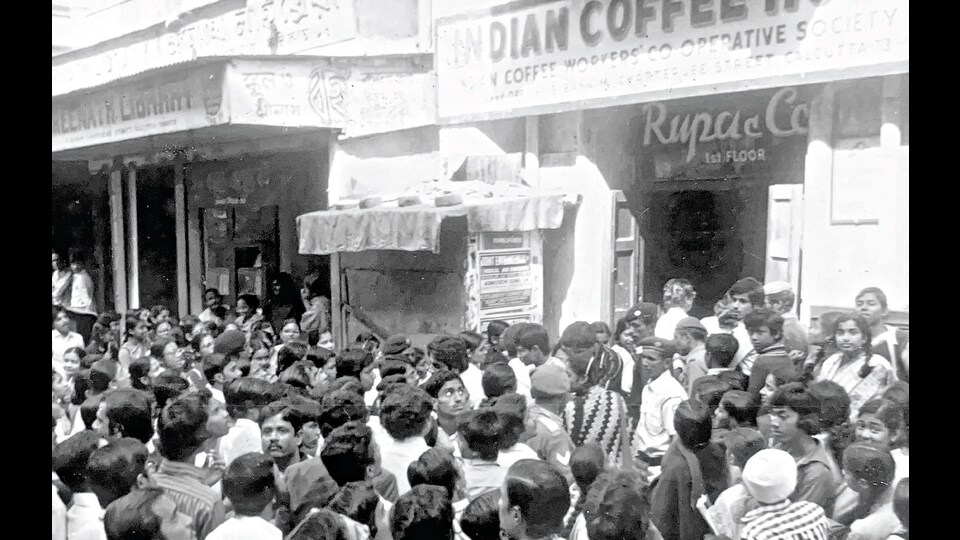
In the months that followed, Rupa, with its low prices, varied selection and eclectic titles, found success. Within the year, the stall on the street had turned into a store in the building right behind it. By 1939, there was second store in Allahabad.
By 1945, the Kolkata store had expanded, and moved into the iconic building that housed the original Indian Coffee House. By the 1960s, Rupa was publishing.
In 1970, Mehra moved the headquarters to Delhi, where it remains.
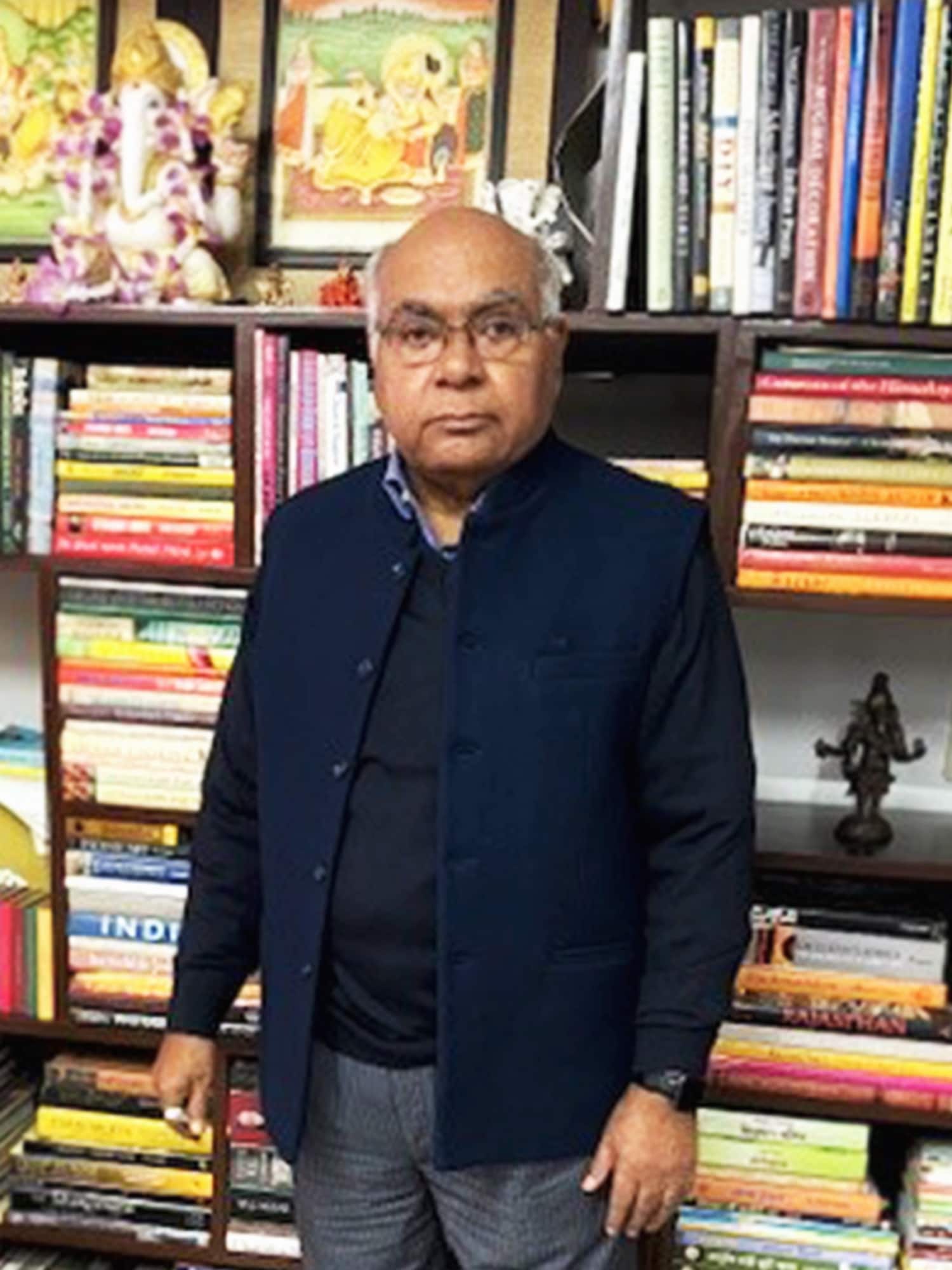
Now 77, he heads both Rupa and its affiliate, Aleph Book Company, a joint venture with publisher David Davidar. Mehra’s son Kapish Mehra, 39, is managing director of both.
Looking back on 50 years in the business, Rajen decided to write Never Out of Print. What was Indira Gandhi’s first visit like? How did the firm discover their bestselling authors (who range from Anurag Mathur to Chetan Bhagat)? How do they do things differently today?
“The dynamics have changed,” Mehra admits.
The company still publishes 250 to 300 titles a year, in English, Bengali, Marathi, Tamil, Kannada and Hindi. Biographies still outsell most other genres. LK Advani’s My Country My Life (2008) was a Rupa publication; so was Hamid Ansari’s By Many a Happy Accident (2021).
The key is to keep one’s eyes and ears open for new trends, and give readers what they want in a language they can relate to, Mehra says.
In some ways, Rupa has been thinking out of the box on this since its earliest years.
The Allahabad store, for instance, sent free books, in a gesture of support, to jailed freedom fighters such as Jawaharlal Nehru, even finding mention in a letter that the future prime minister sent his daughter, Indira Gandhi, in 1944. “A firm of booksellers in Calcutta—Rupa & Co.—with a branch in Allahabad, have sent me books from time to time. They have been good books as a rule and new English publications,” Nehru wrote.
In a happy twist of fate, a work by Nehru would be a bestseller at the store for years. Glimpses of World History (1934) — a collection of letters written during Nehru’s time in various prisons between 1930 and 1933, to help him introduce world history to his teenage daughter — sold so rapidly, for so long, that the family “built our Allahabad house using profits made off it,” Mehra writes in his book.
Chapter and verse
In 1960, the chain of bookstores turned the corner into publishing. A meeting with James Laughlin, the poet and founder of the New York-based publishing house New Directions, marked a significant shift. It was on Laughlin’s recommendation that Daudayal Mehra decided to publish an Indian edition of Herman Hesse’s 1922 novel, Siddhartha. It was Rupa’s first release. The affordably priced paperback sold well and gave the company a sound footing in the market.
A little bit of history was printed onto those early editions. Rupa’s first logo was designed by filmmaker Satyajit Ray, who was paid with a “few Alistair MacLean books”. Sadly, no images or editions bearing this logo remain with the company or the family, Mehra says.
Bumps in the road
The 1980s and 1990s would hold difficult years. Labour unrest grew in Kolkata, and caused a two-month lockout. The demolition of the Babri Masjid in 1992 strained relations between Indian publishers and bookstores in Pakistan.
As the reading audience expanded, another threat reared its head: piracy. This continues to be a huge challenge, Mehra says. Rupa’s three-point strategy consists of competitive pricing, wide availability, and prompt action in association with law-enforcement. “Our biggest learning is that a publisher should be a bridge between the author and the reader and not a ditch! We need to be aware of the reader’s pocket.”
A trail of bestsellers
Amid heightened competition and the entrance of global giants into the Indian market, the publishing house’s habit of taking the long view, and innovating, has helped it hold its ground.
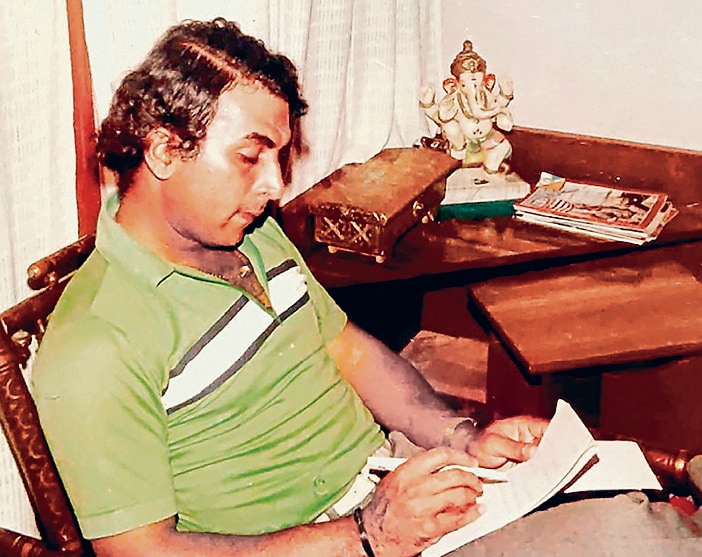
As far back as 1962, in a time when sports biographies were rare, for instance, it launched the World of Cricket series. Early titles told the stories of Syed Mushtaq Ali (1967), Vinoo Mankad (1976), Don Bradman (1978). The most popular remains Sunny Days, an autobiography by Sunil Gavaskar. First released in 1976, it went into its 31st reprint last year.
Recent titles in this series have included The Nice Guy Who Finished First (2005), on Rahul Dravid; MSD: The Man, The Leader (2015), on Dhoni; and Gundappa Vishwanath’s 2022 autobiography, Wrist Assured. Sadly, sportspeople are less candid and more wary today, since “anything they comment on or write about can severely jeopardise their commercial interests and brand value,” Mehra says.
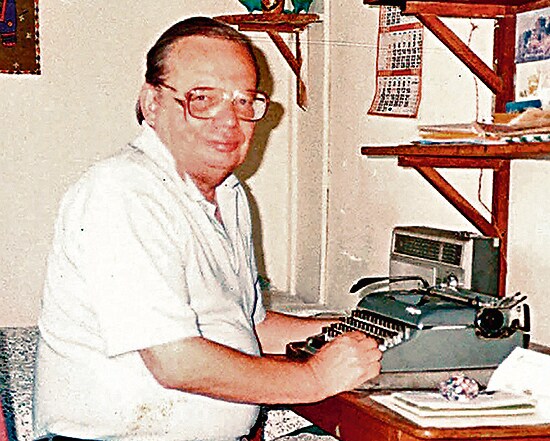
Rupa also took the plunge with first-time authors, leading to another string of bestsellers that range from Anurag Mathur’s The Inscrutable Americans (1991; priced at ₹40 then, with 50,000 copies sold so far) to Chetan Bhagat’s Five Point Someone (2004; translated into 15 languages, including Mandarin).
Bhagat’s fifth novel, Revolution 2020 (released in 2011; priced at ₹140) set a national record for a publication in English, with an initial print run of a million copies. “Seven printing presses worked simultaneously to print the books,” Mehra writes.
The journey continues
Has the mission changed, in a world of fake news, micro-blogs and ChatGPT?
“Our job as publishers is not only to inform and entertain but to empower the citizen,” Mehra says. “Rupa does not censure ideology, but sticking to facts is sacred.”
The plan, going forward, is to give voice to more stories, across languages, at prices that remain accessible. We must ensure a diversity of opinions and engagement, Mehra says, “because diverse books make informed citizens.”


