
 E-Paper



A sky train, a death rail, a station with no staff: 200 years on, trains have come a long way

 Prefer HTon Google


There’s a station in Japan so busy, it has over 200 exits. India tops the list of countries with most rides taken, clocking about 8 billion. And there’s more...
The fastest commuter train in the world, in Shanghai, China, has no wheels; it uses magnetic levitation for a smoother, faster ride.
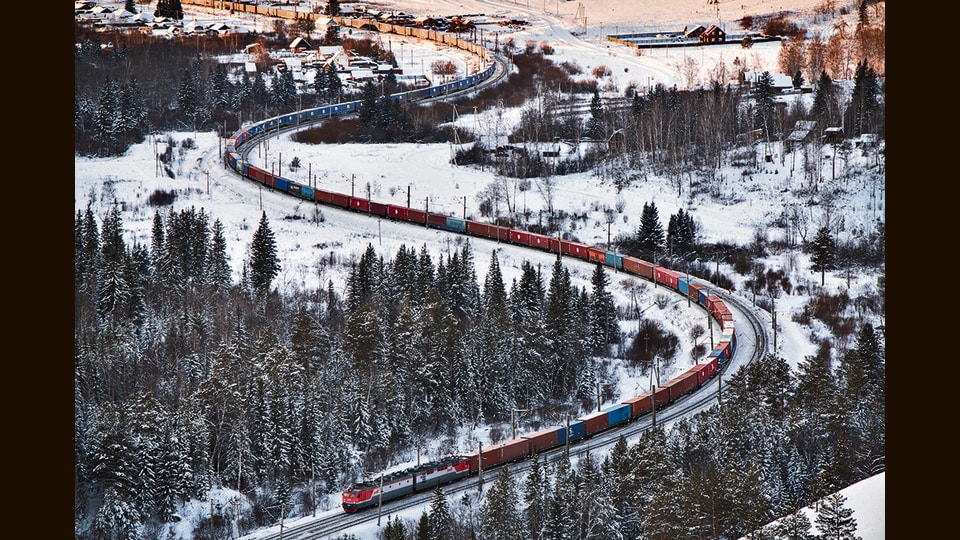
The longest route in the world sits within just one country: Russia. It spans nearly 9,300 km.
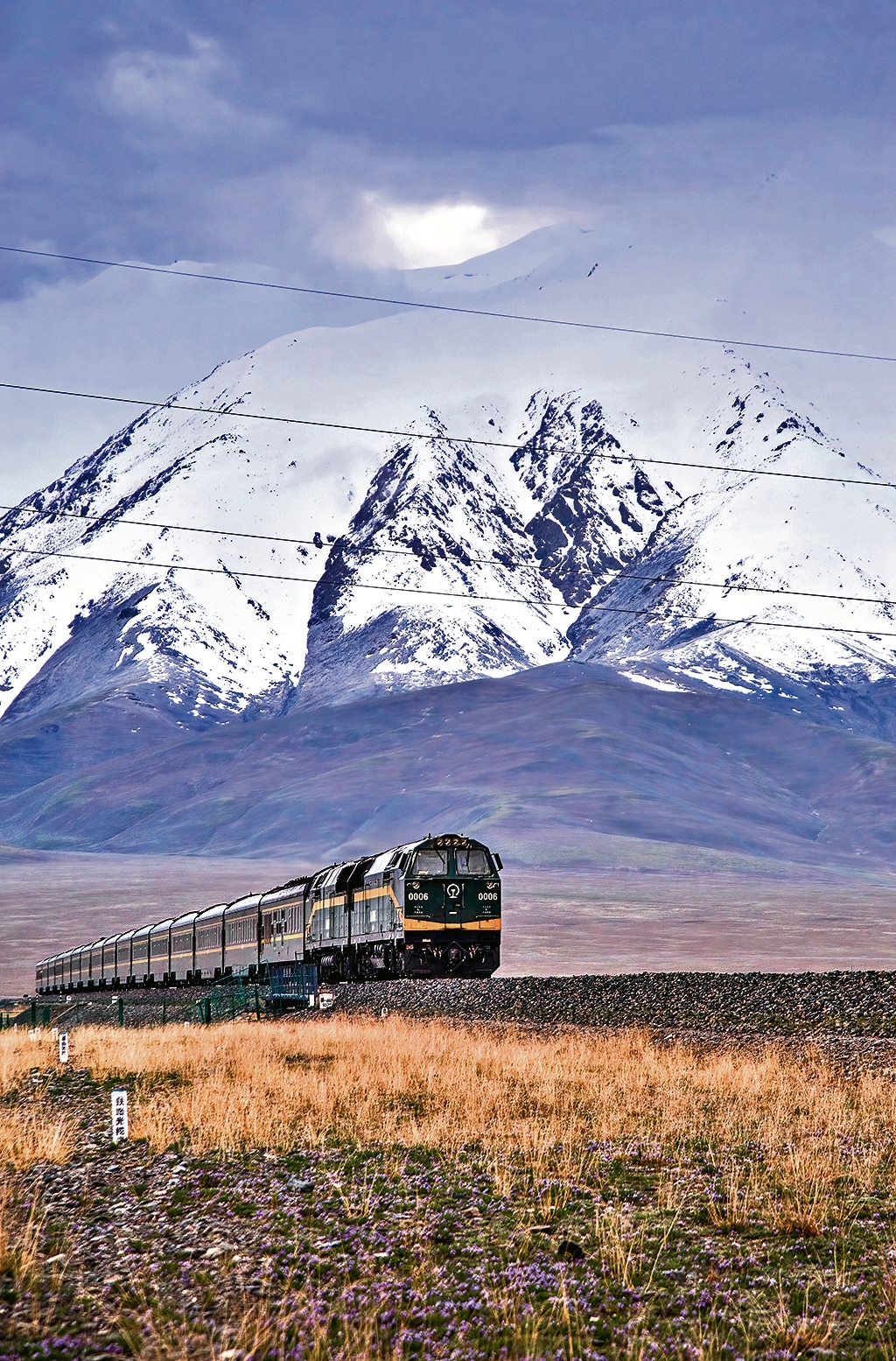
The world’s highest railway station, part of the Qinghai-Tibet railway line built by China, sits more than 4,000 metres above sea level. Tucked amid the Himalayas, one of its stations is so remote, it has no staff at all. The air is so thin, passengers cannot alight. (Read on for more on this).
Where else do the railways create a little bit of history every day? Take a tour.
Largest rail network: USA
The railroad was so pivotal in the US that towns lived and died by its proximity (until the roads took over, hurling themselves across the vast expanses with greater ease, and taking over where the trains had once ruled).
Between the 1830s and 1850s, the reach of these tracks expanded so rapidly, it birthed a generation of rail barons — people who had invested in these ventures, and were now raking it in. It also birthed the Panic of 1873, as overextended banks and companies now facing a dip, took a tumble together.
The tracks laid down still serve the country, though. The US has the largest rail network in the world: over 250,000 km of track.
Today, this vast network is used overwhelmingly for freight, in a country where cars, private transportation and cheap oil take precedence.
The longest line: The Trans-Siberian link, Russia
This is a single line that essentially spans a continent. It reaches from Moscow in western Russia all the way to Vladivostok in the far east. It was built as a power move, by the Russian tsar Alexander III and his son and successor Nicholas II.
But really, it was built, between 1891 and 1916, by generations of prisoners.
To keep costs down, convicts were put to work on the project. Parts of it came to be nicknamed the Death Road because of its high toll.
The model would be so successful that it would live on as Russia turned communist and Joseph Stalin took over. Dissenters, resistant landowners and political prisoners were sent to camps scattered across this vast land, to work on roads, canals, railroads and in mines.
The horrors of this punishment, with many labourers never heard from again, inspired Aleksandr Solzhenitsyn’s remarkable non-fiction work, The Gulag Archipelago, released in 1973, two decades after Stalin’s death.
The Trans-Siberian Railway remains the longest single rail link in the world, spanning nearly 9,300 km. The journey from Moscow to Vladivostok takes up to eight days (depending on the route and rake), and passes through eight time zones.
The world’s busiest station: Shinjuku, Japan
Serving over 3.5 million passengers a day, the Shinjuku station sits in Tokyo’s busy business and entertainment district, linking the densely populated city and its suburbs, and connecting commuters with major hubs of bus transit and the airport. In an indication of its scale, the station has more than 200 exits.
World’s highest railway station: Tanggula, Tibet
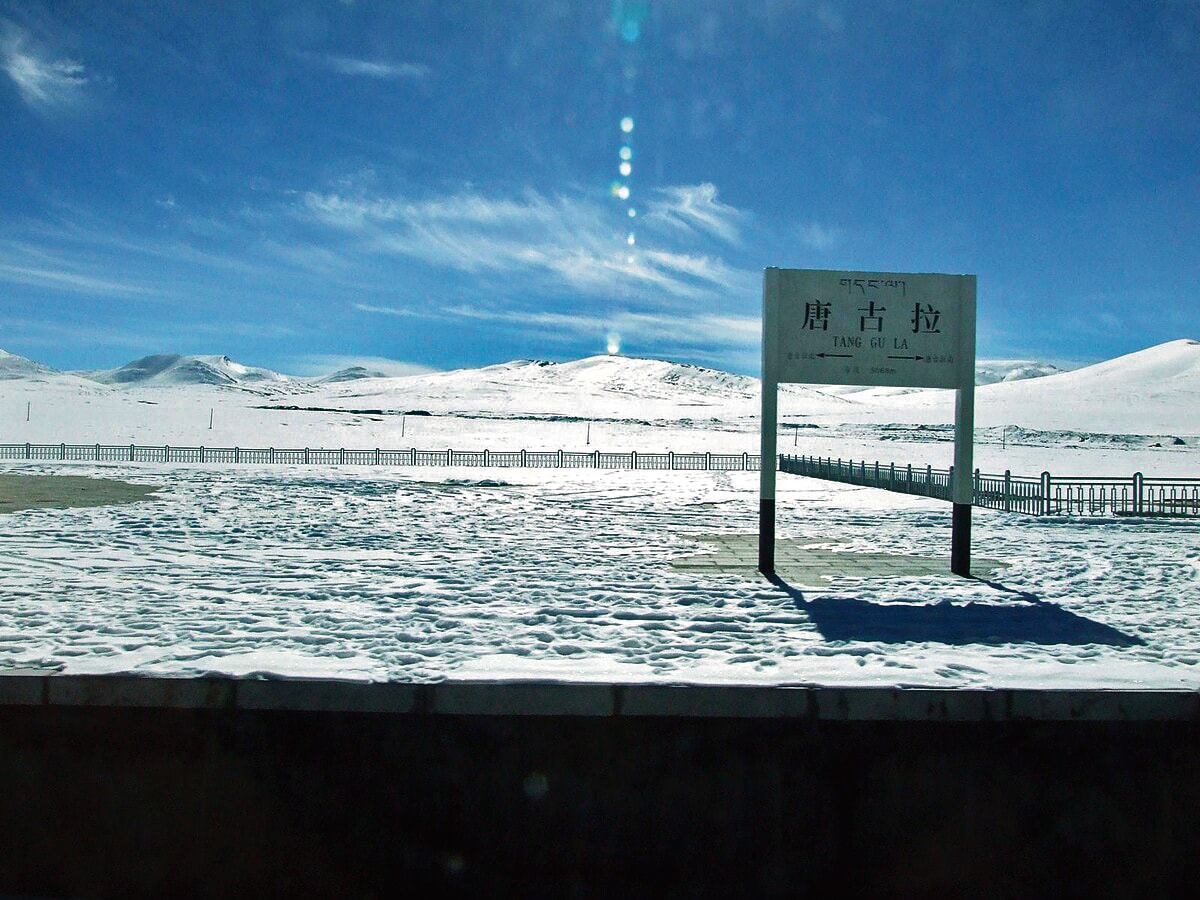
This unstaffed station is also the highest in the world, sitting 5,068 metres above sea level.
Built by China as part of the Qinghai-Tibet line, the “sky train”, as it has been nicknamed, halts here for a few minutes, so that passengers can take in the breathtaking views. They cannot alight; the air is too thin. The train itself has an internal air-pressure system, and supplemental oxygen piped through it.
Busiest railway system: India
More train rides are taken in India than in any other country in the world. Indians take about 8 billion rides a year. By comparison, Japan’s users take an estimated 6.6 billion rides a year. China and Germany round off this top four, with 2.9 billion and 1.2 billion rides taken respectively.
(With input from Vandana Dubey)


