
 E-Paper



In pics: A temple run across South Asia’s marvels
In its 75th anniversary issue, art magazine Marg gives us a glimpse of the diverse and unique temples across South Asia to understand how these magnificent historical structures have shaped modern design sensibilities


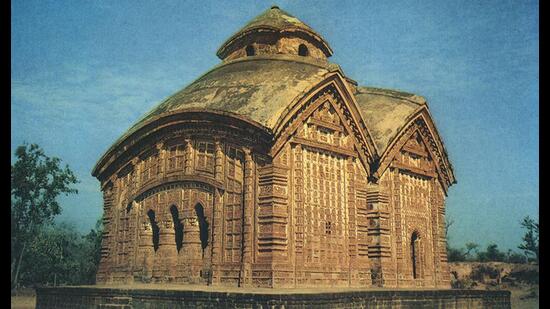
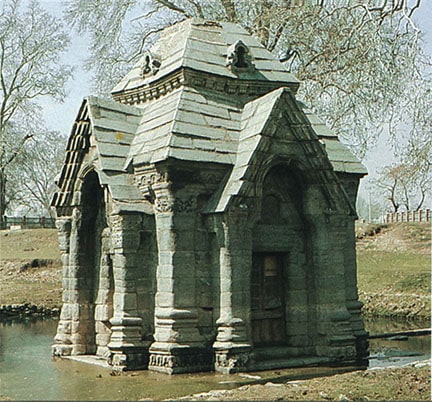
The 8th century Pandrethan temple in Kashmir. Kashmiri builders used large stones to create their temples, with elements that were probably derived from the earlier Buddhist models. Some of the unique characteristics of the Kashmiri style were double-pent roofs and tri-lobed arches for entrances and sculptures.
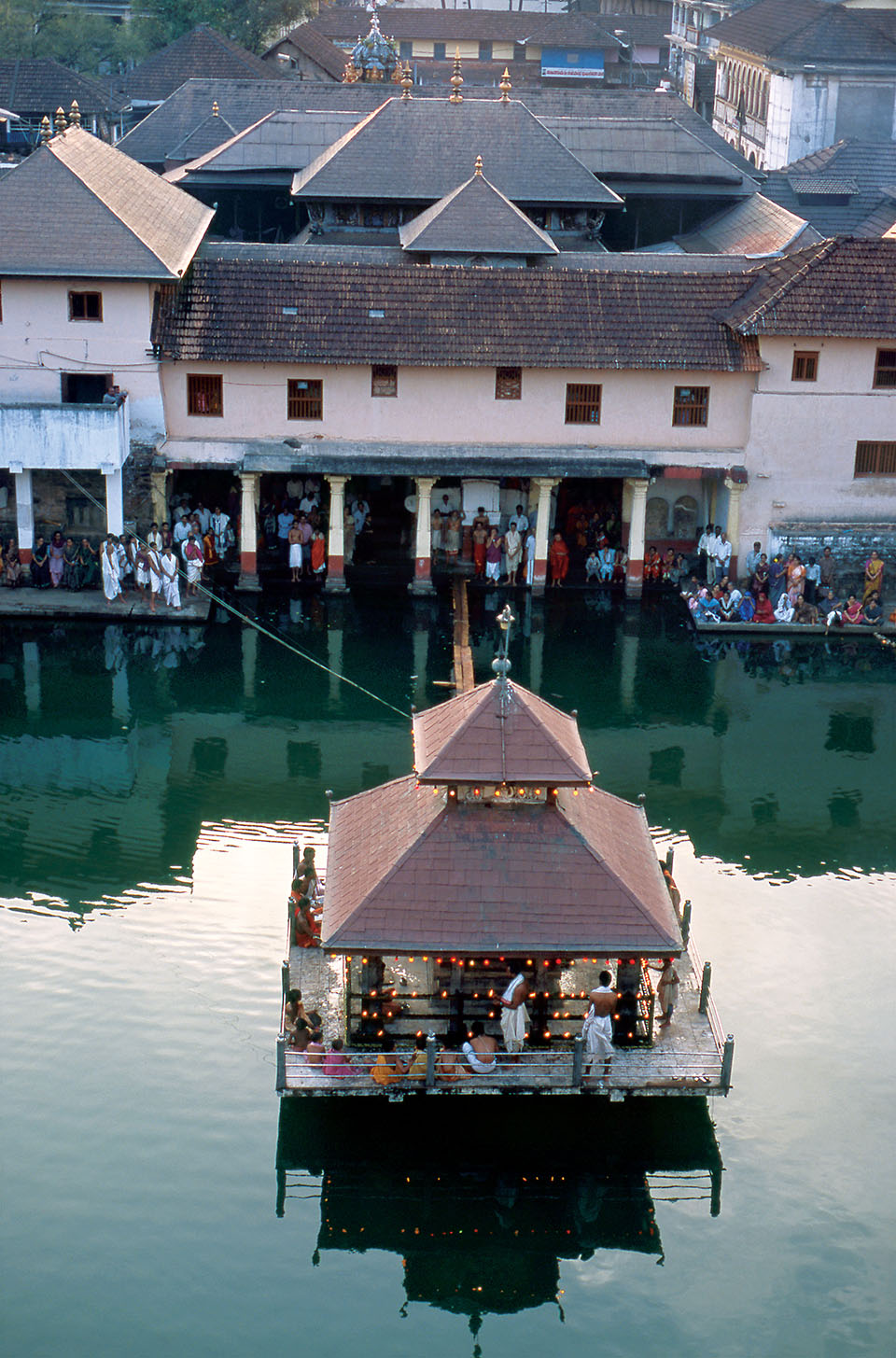
In the temples of south India, water plays an important role in rituals and tanks form an integral part of the architectural layout of the complex. Water bodies too, became centres of pilgrimage and were written into sacred texts. Seen here is the tank and shrine of Krishna Temple in Udupi, Karnataka.
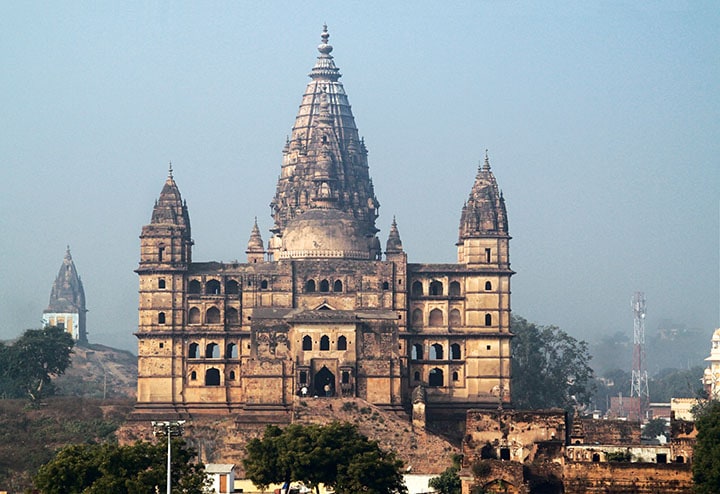
Chaturbhuj Mandir at Orchha, Madhya Pradesh is a grand display of the Bundela style of architecture that fuses local traditions with styles borrowed from the Mughal courts of Akbar and Jahangir. This hybrid and sophisticated style of architecture patronised by Bir Singh Dev who ruled Orchha from 1605−27, went on to influence the design of north Indian architecture.
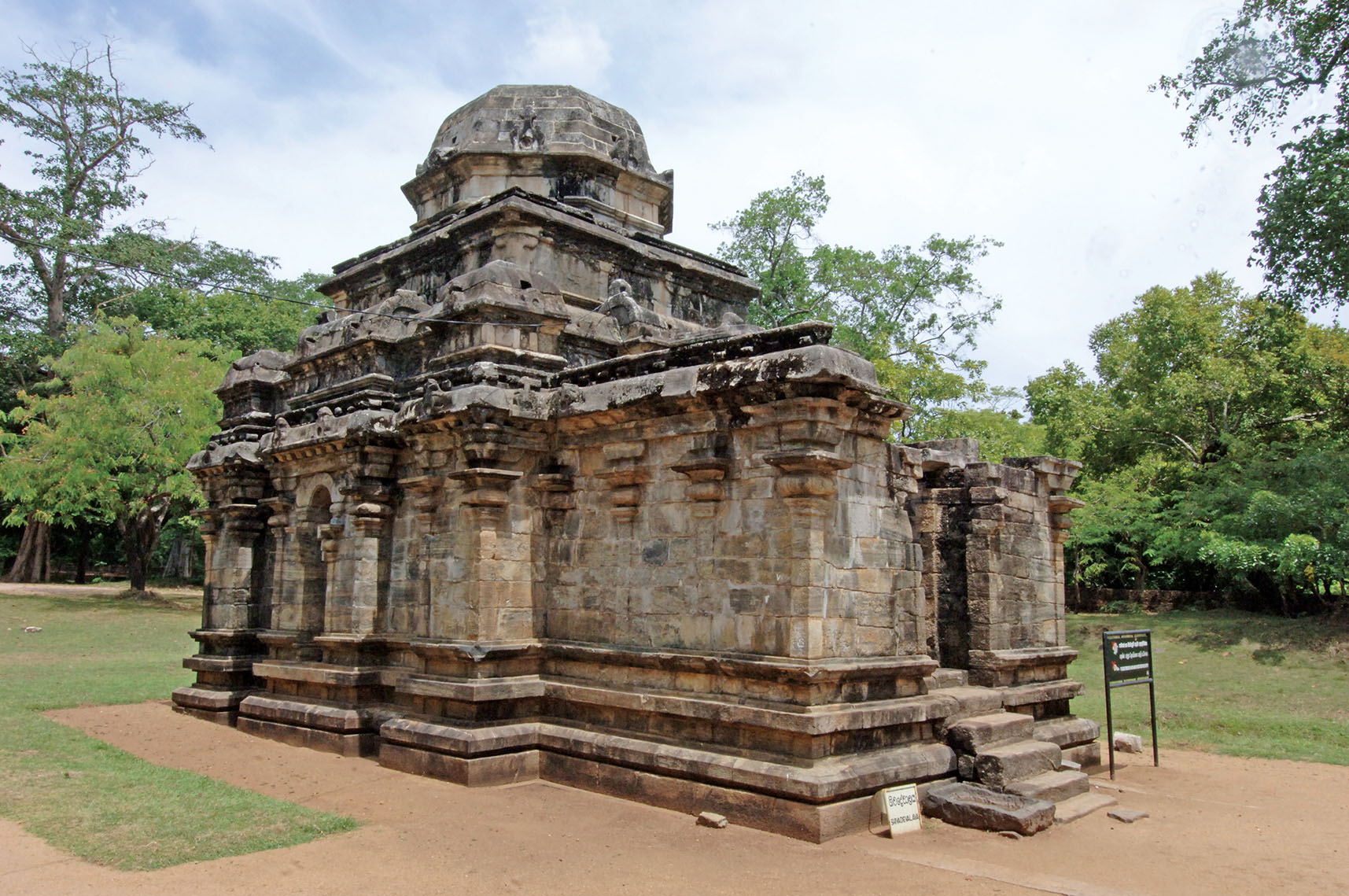
Most of the shrines in Sri Lanka’s Polonnaruva are in state of disrepair. Only the walls of Shiva devale no. 2 (seen in picture) have inscriptions suggesting that it was created in honour of the chief queen of Rajaraja Chola I, Vanavan Mahadevi.
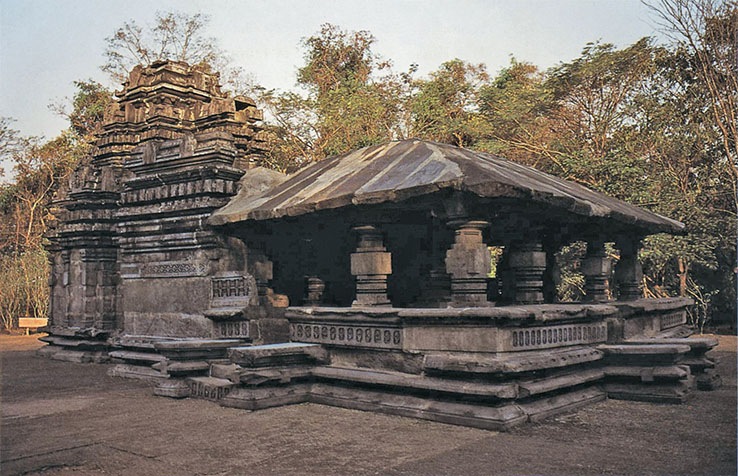
The Mahadeva temple, Tambdi Surla, is the oldest surviving 12th−13th century temple in Goa. Later, Goan temples went through three phases of changes, the Neo-Romanization (17th century), a synthesis of the Neo-Roman and Maratha motifs (18th–19th centuries) and a new decadent, contemporary Goan Hindu style (1850–1950).
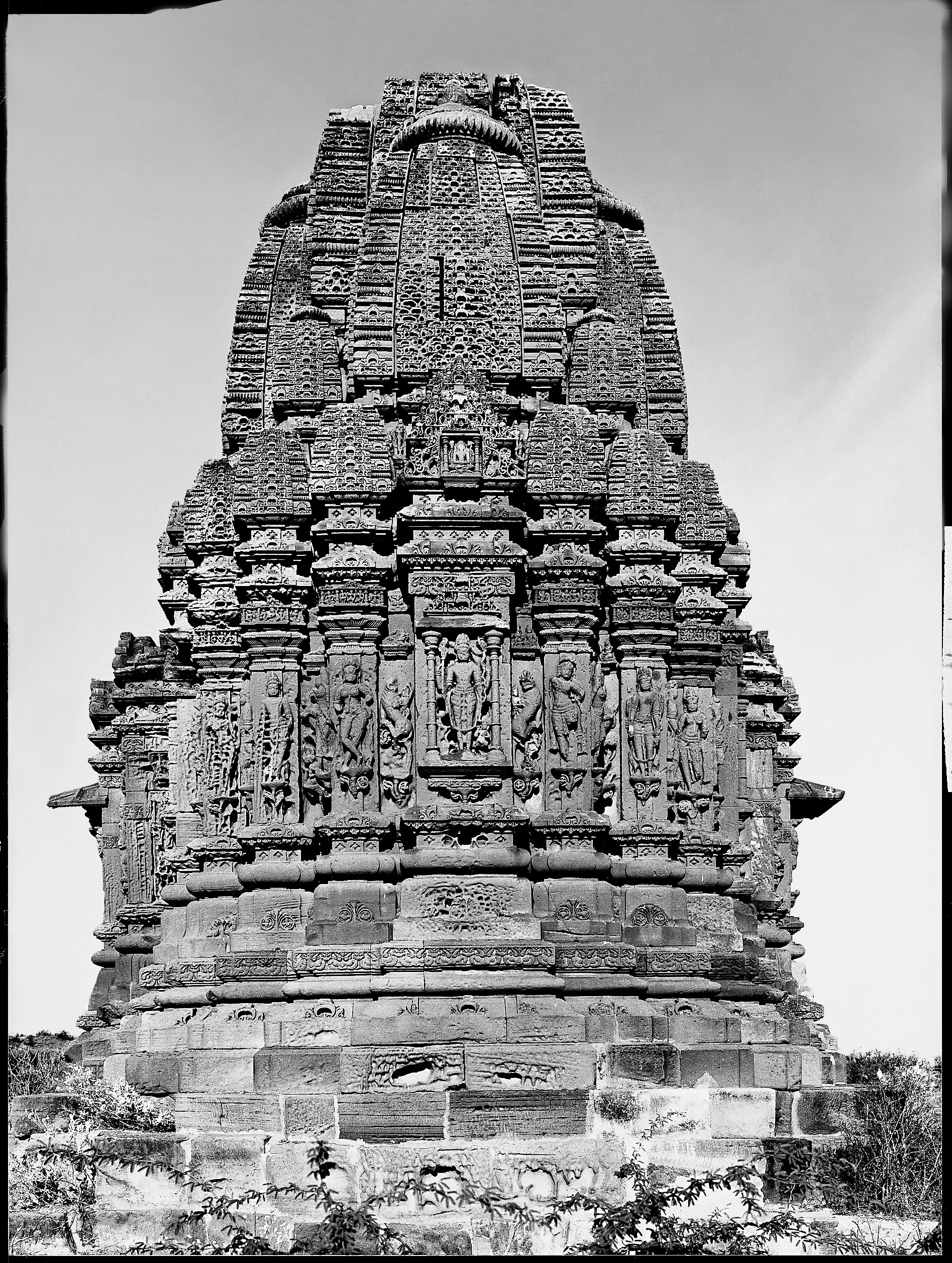
The Maha-Gurjara style Shiva temple in Kotai, Gujarat (940–950 CE) was built when the Sama dynasty ruled from the late 9th century onwards. When Kutch became part of the Solanki kingdom, a new style emerged called the Maru-Gurjara style that integrated design elements from Maha-Maru tradition of Rajasthan.


