E-Paper



Think you know coffee? Here are 5 specialty coffee myths every caffeine lover should stop believing

 Prefer HTon Google


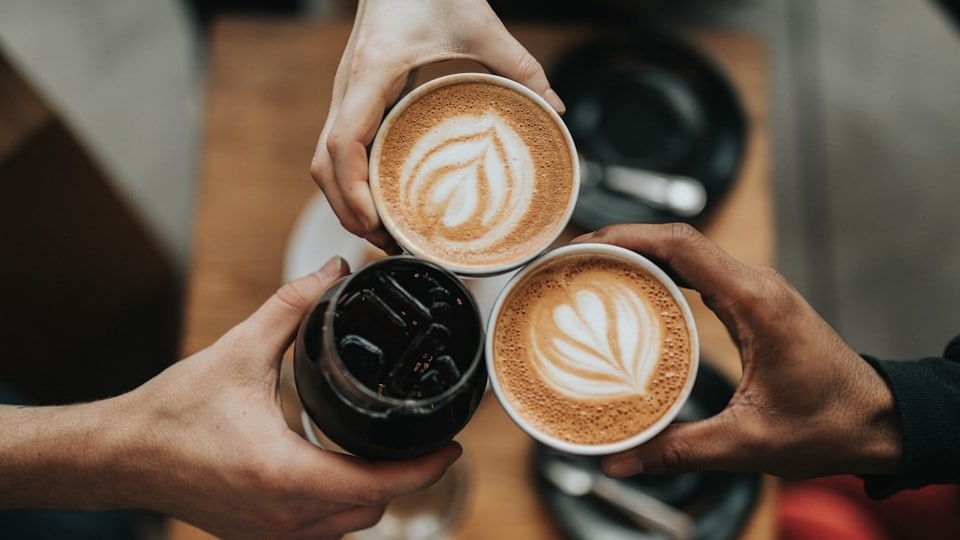
From pour-over to precision brewing, here are five specialty coffee myths every coffee lover should stop believing.
India's coffee culture is evolving rapidly. As more consumers move beyond instant coffee and begin exploring speciality cafés, they're discovering an entirely new world of flavour, craftsmanship and origin. Along with that curiosity comes an opportunity to better understand what makes an exceptional cup of coffee. In an interview with HT Lifestyle, Miguel Villaquiran, CEO and co-founder of Libertario, debunks common coffee myths.
Myth 1: Darker roast means stronger or better coffee
Miguel Villaquiran highlighted that a common belief is that a darker roast automatically indicates a stronger or higher-quality coffee. In reality, roast level is simply a flavour preference. Darker roasting creates bolder, smokier and more bitter notes, while lighter roasting allows the coffee's natural characteristics to shine through. Speciality coffee focuses on highlighting the unique flavours created by origin, altitude, variety and processing—not masking them with an overly dark roast.
Myth 2: Expensive coffee is simply overpriced coffee
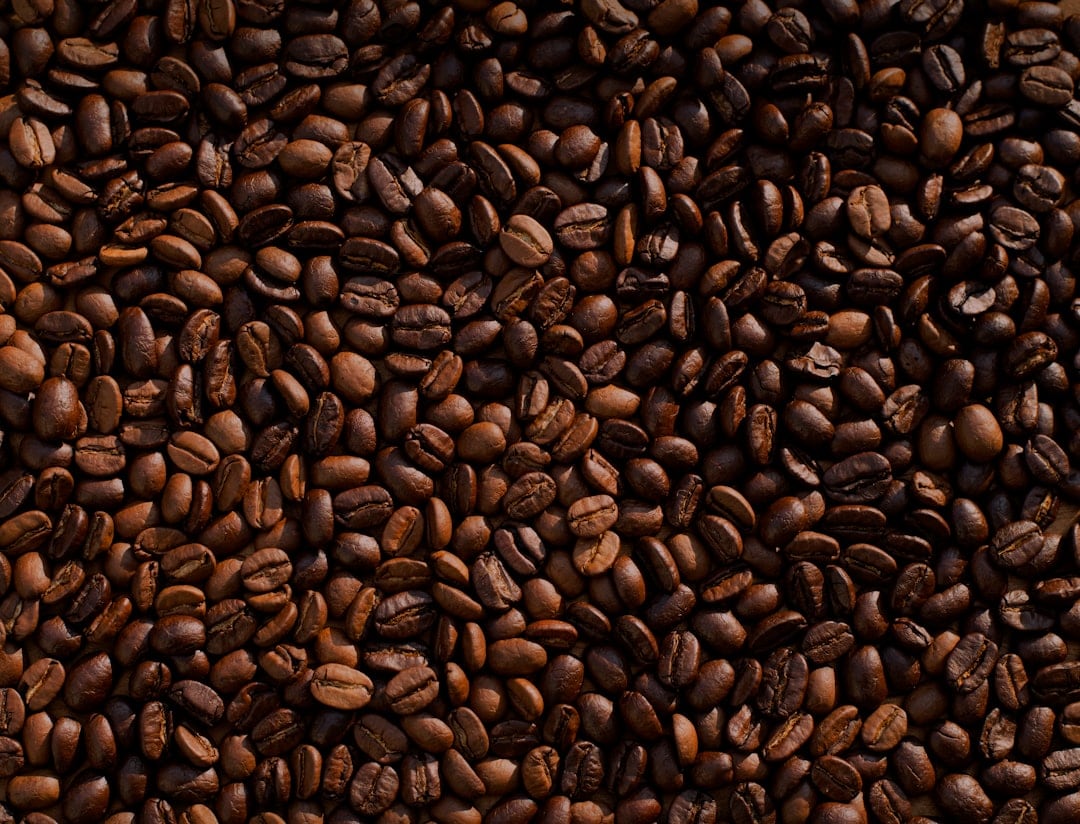
“Higher prices in speciality coffee reflect the work that happens long before the beans arrive at a café,” said Miguel Villaquiran. Producing exceptional coffee requires selective hand-picking of ripe cherries, careful processing, extensive quality control and rigorous tasting before export. Farmers producing outstanding coffees are typically rewarded with quality premiums, creating a more sustainable value chain. Consumers are paying for traceability, craftsmanship and consistency—not simply a premium label.
Myth 3: The coffee bean is all that matters
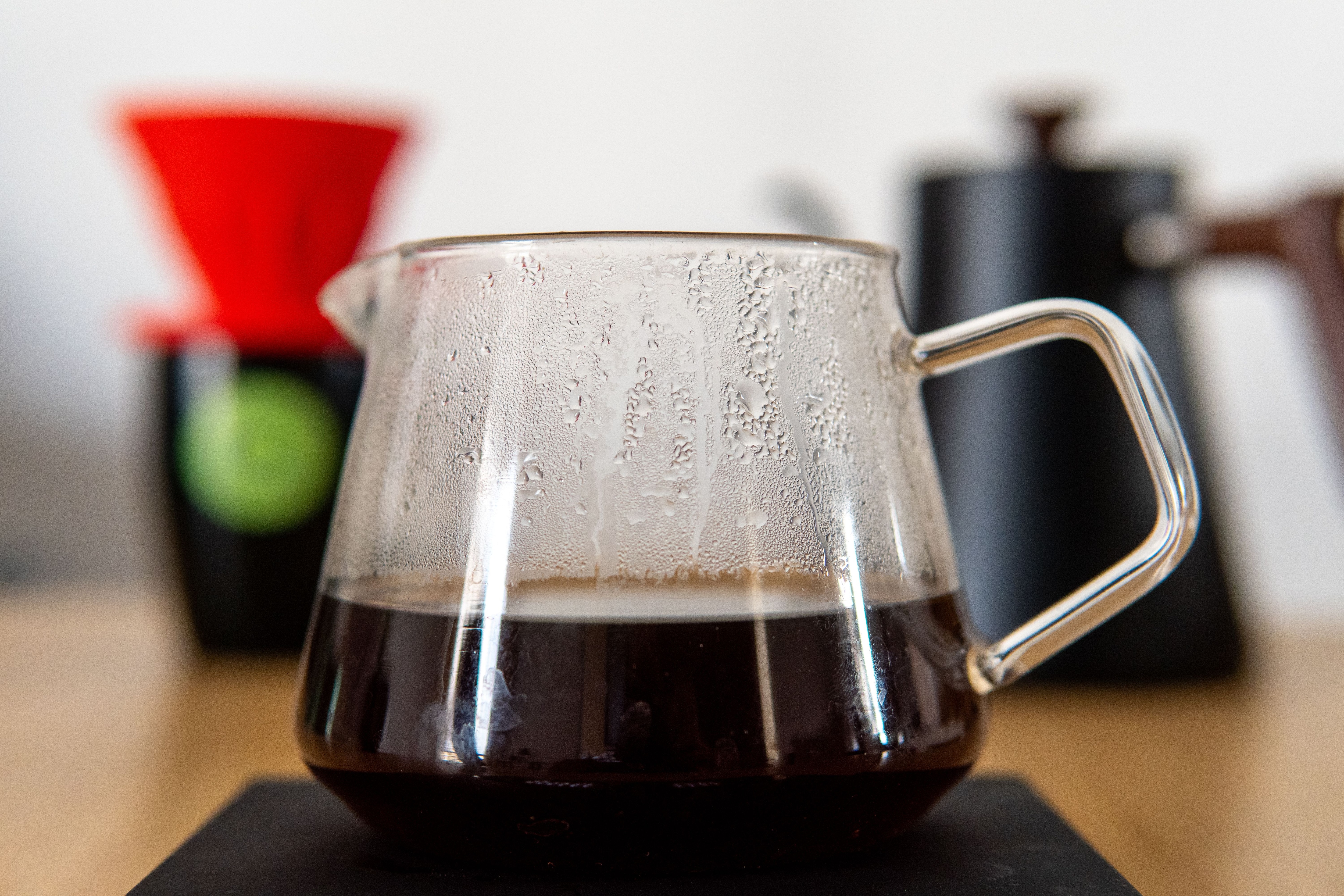
“Even extraordinary coffee can taste disappointing if it is brewed incorrectly,” said Miguel Villaquiran. Water quality, grinder calibration, brewing temperature, coffee-to-water ratio and extraction time all dramatically influence the final cup. The Specialty Coffee Association has developed internationally recognised brewing standards because even small changes in preparation can significantly alter flavour. Brewing should be viewed as an equally important part of the coffee experience as sourcing exceptional beans.
Myth 4: Coffee should be consumed immediately after roasting
Fresh isn't always better. During roasting, coffee releases carbon dioxide, and brewing it too soon can prevent flavours from fully developing. Most speciality coffees benefit from a resting period before reaching their peak flavour. Depending on the roast profile and brewing method, many coffees perform best several days to a few weeks after roasting, producing a sweeter, cleaner and more balanced cup.
Myth 5: Good coffee should taste bitter
Perhaps the most surprising myth is that bitterness equals quality. According to Miguel Villaquiran, exceptional coffee is naturally complex and often surprisingly sweet. Depending on where it is grown and how it is processed, coffee can express tasting notes ranging from chocolate and caramel to berries, citrus and florals—all without adding any flavourings. Excessive bitterness is often a sign of over-roasting or poor extraction rather than superior coffee.