
 E-Paper



Magic gone wild: Filmmaker Raam Reddy on his film Jugnuma

 Prefer HTon Google


In the film, lost fairies wreak havoc, fires rage, and memories falter. Can the smallest spark have the most profound consequences? he asks.
Magic is woven into the everyday, in Jugnuma: The Fable.
Each strange twist also hints at a hidden truth.
What if fairy tales were true? How would the dark realities of such an unpredictable world unfold? Exploitation, violence and malevolence shape-shift, asking: Did you just see what you think you saw?
Lines blur. Fires burn. Memory becomes more uncertain than myth.
Fairies may be wreaking havoc, stuck in the wrong dimension.
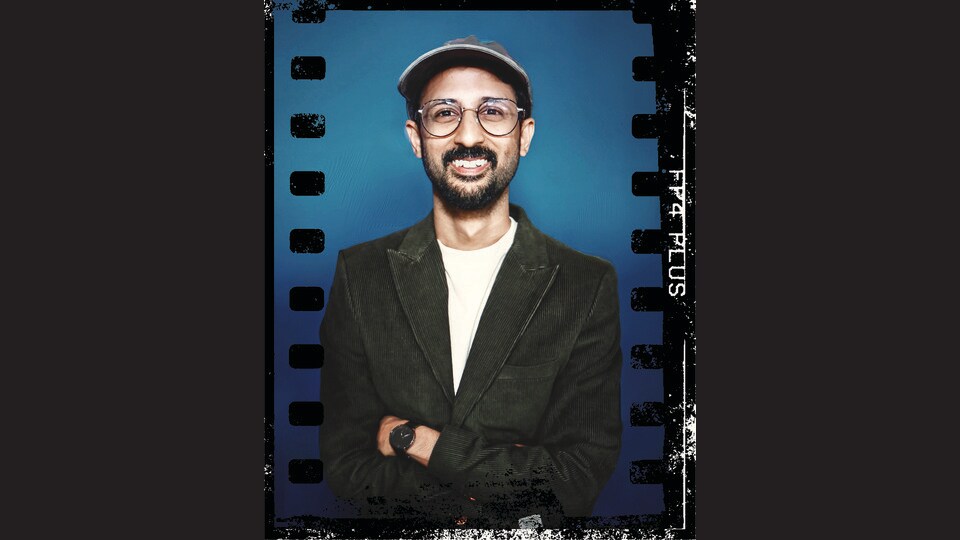
“I wanted to tell a story that was driven by poetic suspense,” says Raam Reddy, 36.
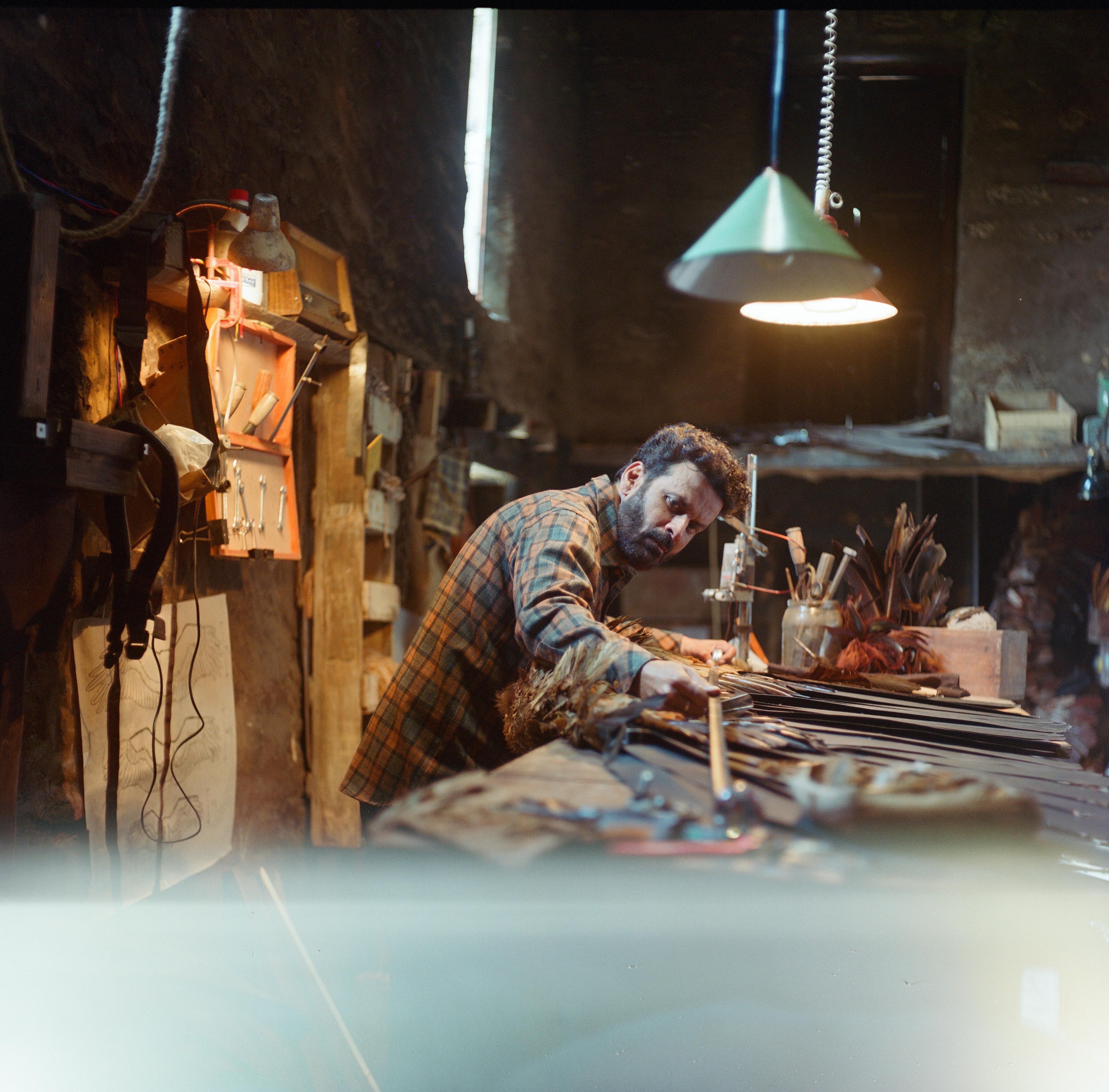
Set in 1989, his film builds itself around Dev (Manoj Bajpayee), who owns a large apple orchard in the Himalayan foothills. He inherits a picture-perfect world. Then his trees start to burn. At first, a few mysteriously catch fire; then large swathes go up in flames.
Old fault lines resurface. Are the village labourers angry with me, he asks.
They point to a group of nomads. These people have been around since it was just them and the mountains; long before civilisation, they say. Who knows what they’re capable of?
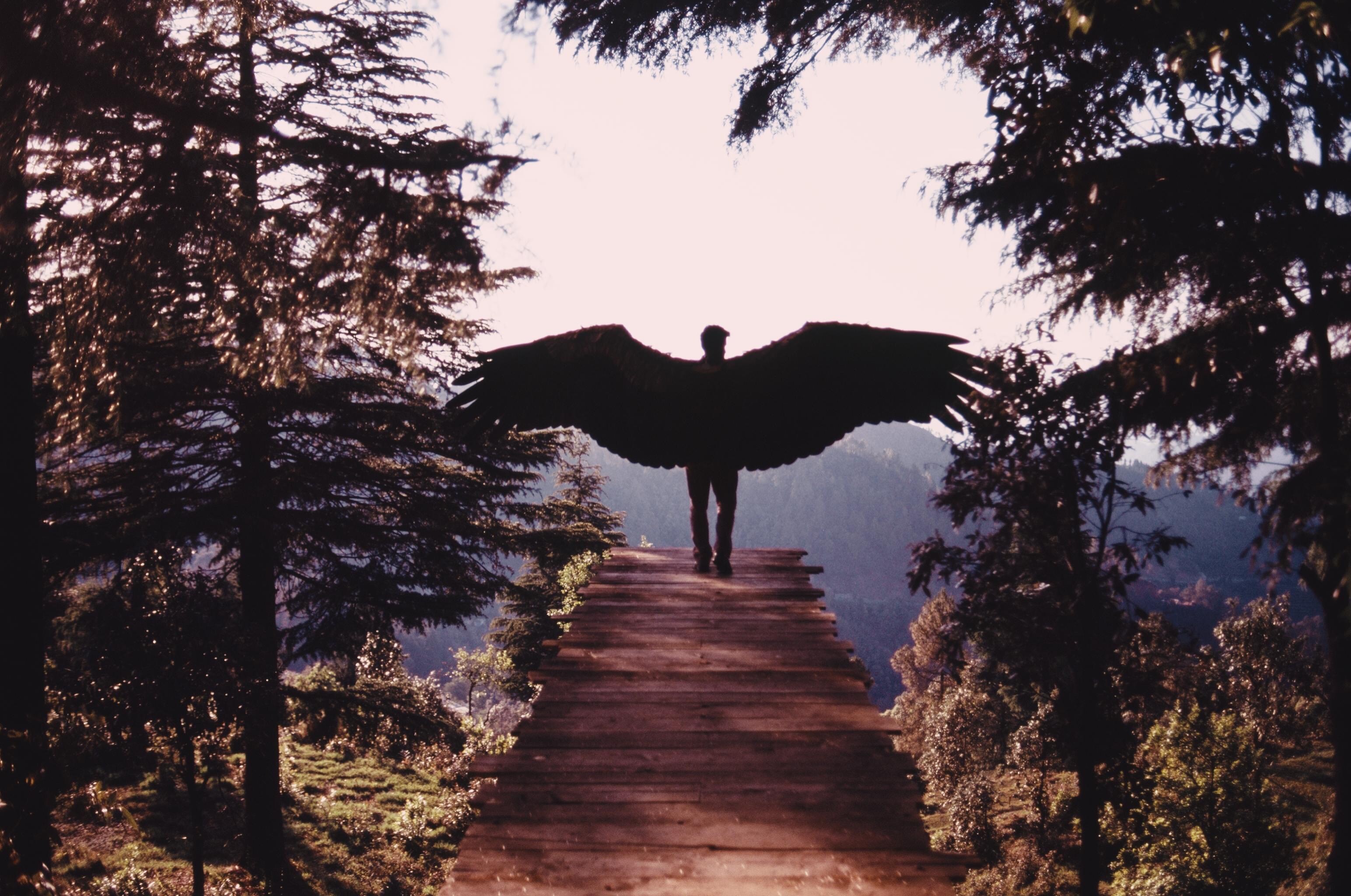
Shot by Sunil Borkar on 16mm film, Jugnuma contains moments of gobsmacking beauty: the raging fire; shimmering fireflies. In an opening sequence that is startlingly unusual, Dev straps on giant mechanical wings and leaps off the edge of the estate. He will do this over and over, as he watches over his apple trees, and later watches them burn.
“The challenge was to say as little as possible while keeping the mystery alive,” Reddy says.
Jugnuma premiered at the Berlin International Film Festival, won Best Film at the 2024 Leeds International Film Festival, and is now running in theatres in India (with backing from Guneet Monga Kapoor and Anurag Kashyap).
“The luscious 16mm cinematography, from faces hiding in the nooks and crannies of a shed to the small feet of children running through wood and leaves alike, was projected beautifully… reminding us of the possibilities and the joys of the cinematic experience,” the Leeds jury said in its citation.
***
Jugnuma comes a decade after Reddy’s directorial debut, the critically acclaimed Kannada feature Thithi (Funeral), a satire on death and life in rural India that premiered at the Locarno Film Festival in 2015, winning two awards there, and returned to win a National Award at home.
“I had the idea for Jugnuma towards the end of Thithi’s journey,” Reddy says. “On the surface it might seem like the journey of your second movie should be easier than the first; it very often isn’t.”
As he framed it, storyboarded it, gathered the talent and waited for the means to come, he allowed the story to dictate the language and format, as he has done with each of his short films and with Thithi.
His first language, for instance, is Telugu (his family has deep roots in Karnataka, with his grandfather serving as the state’s first chief minister, KC Reddy). But this film was set in Uttarakhand, and so is in Hindi and English.
The choice of 16mm film, he says, was a way to give the work a tactile quality that would evoke the era in which it is set. “I also think shooting on film feels more present,” he says.
He was very clear about the role he wanted magic realism to play.
“In movies such as Groundhog Day (1993) and Eternal Sunshine of the Spotless Mind (2004), magic is the base premise. I wanted to instead take the approach often used in literature, where the story quietly slips into the fantastical only to return to reality in the next scene,” Reddy says. “As the story unfolds, one can then keep altering its tone in minute ways.”
The narrative took shape during a trip to Saitoli, a remote village in Uttarakhand. “There was a forest fire during my stay. I went out to help the locals fight the fire. It seemed then like a sort of perfect crime, because the smallest spark can decimate acres and who can say where it might have come from,” he says.
Shot across Kumaon, Jugnuma features a large number of local residents. All the non-actor scenes were shot separately, he says. “This is important because, for non-actors, you have to work with a small crew that is flexible and patient. You work on the non-actor’s terms, always on the hunt for those magical moments between the stuff you cannot use.”
Everyone has worked incredibly hard on this, Reddy adds. “Take Ravi Bisht, a non-actor who plays the lead worker Keshav and has multiple scenes with Manoj Bajpayee. Ravi’s acting experience included roles in the local Ram-Leela but he worked so hard to get the right pitch with Manoj.”
***
Reddy says he didn’t expect the resultant film to draw as much attention as it has, but was incredibly gratified by the results once it was done.
As a former state-level basketball player who graduated in Economics from St Stephen’s College, Delhi, he turned to writing and photography, and fell in love with cinema, moving to Prague to study it, “I feel in love with the potential to build a cinematic world that doesn’t exist anywhere but in the movie that creates it,” he says.
He is now moving on from the nomads who sleep under the stars and threaten established hierarchies, and from Dev, who stands alone the last time we see him, trying to figure out what the fires are trying to say.
In Jugnuma, Dev and his family are simply gone one day. His manager Mohan (Deepak Dobriyal), also the narrator, inherits the estate. Were the former owners the lost fairies, wreaking havoc in the wrong dimension?
Reddy won’t share his theory. He’s hearing music instead.
That’s what his next will be built around, he says.


