
 E-Paper



Palak to methi: 5 winter plants you can grow at home in your balcony or terrace

 Prefer HTon Google


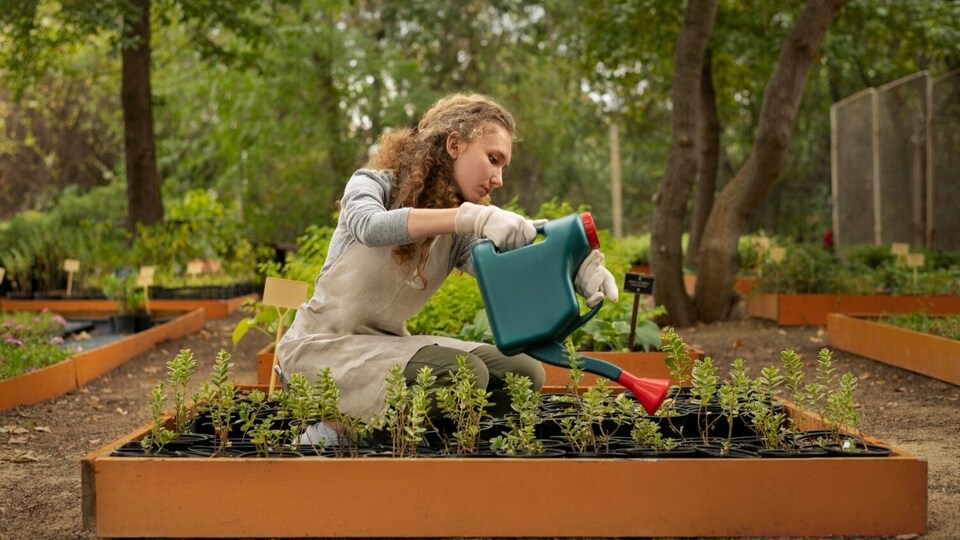
If you are considering growing winter plants and veggies at home, consider this guide to get started.
As the temperatures start to dip, it's also the perfect time to embrace winter-season gardening. The colder months are surprisingly ideal for starting a small kitchen garden. You don't need a sprawling backyard either, a sunny balcony, terrace or a windowsill works. You can grow winter plants here.
ALSO READ: Want to grow strawberries? Here’s why experts urge planting now for 2026 payoff
There's no doubt you get a special kind of joy from nurturing your plants, watching the green germinate, and finally seeing the fresh produce on your plate. Winter veggies are flavourful, fresh and homegrown. You get joy along with a sense of proud accomplishment that your store-bought produce simply cannot match.
Several different plants thrive in cooler temperatures, from leafy greens like spinach and mustard greens to root vegetables like radish, and herbs such as coriander.
To understand which plants you can grow and what the processes are, Nabanita Bajaj, Technical Expert (Growing Good Times) at the Basti Gardens of Hope Project, shared with HT Lifestyle a guide covering all the popular winter plants and how you can grow them at home.
If you are growing in your balcony, she shared an important tip for choosing the container, “For leafy greens, since we usually need them in good quantity for making saag, parathas, chutneys, and more, it’s best to grow them in a rectangular container with a larger surface area and a depth of around 8–10 inches. This allows more plants to grow together and gives you a fuller harvest, unlike round pots that are deeper (about 12 inches) but offer less surface area and hence, less yield.”
Here's the complete guide which she shared, listing out the steps for each plant:
1. Spinach (Palak)
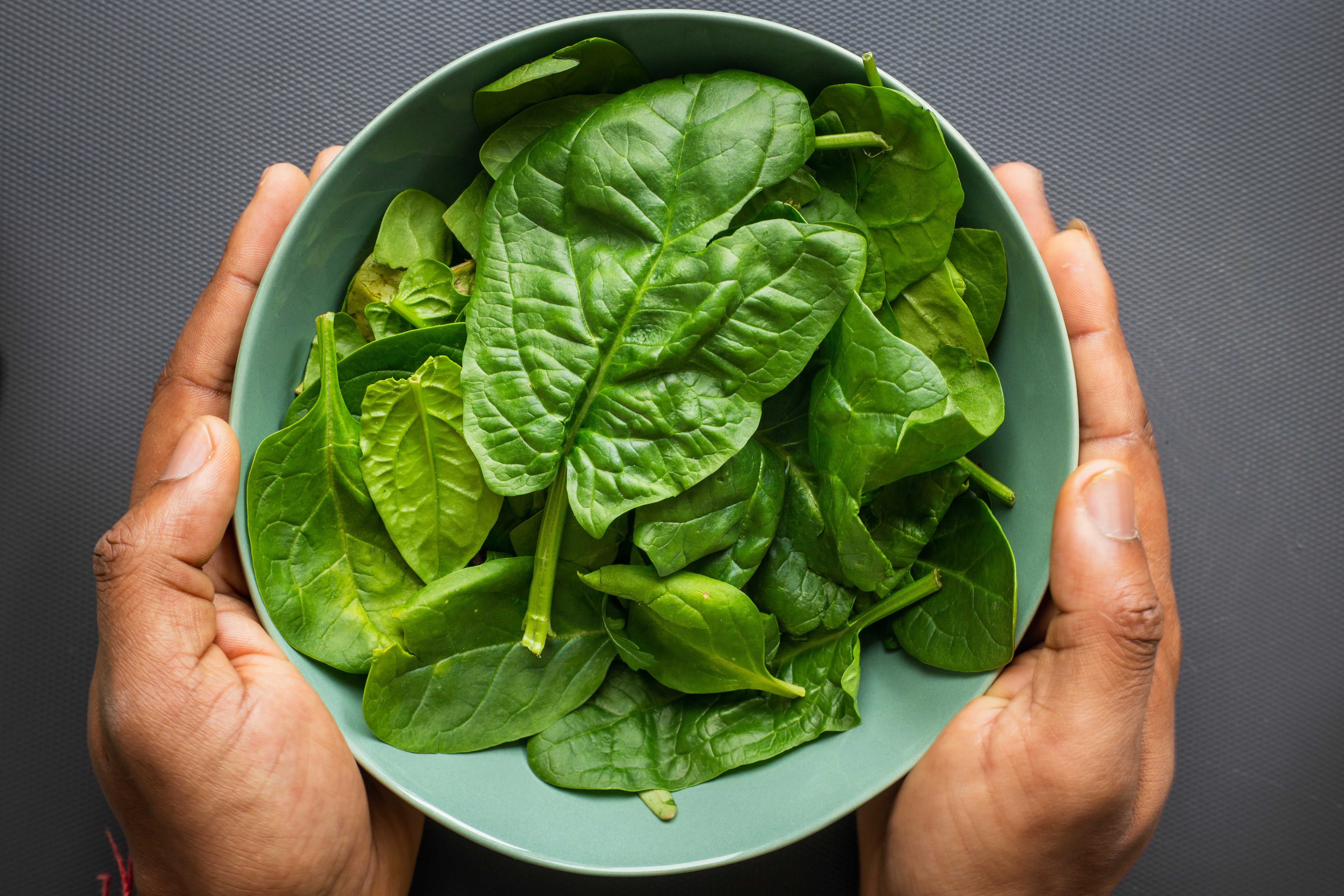
- A fast-growing leafy green that thrives in cool weather
- Sowing: October- January
- Container depth: 8-12 inches
- Soil: Use Potting mix ( a mixture of regular soil (35%)+ vermicompost(35%) + cocopeat (20%)+ neemkhali (10%)
- Sowing technique: Sow seeds directly in soil in the container by making rows 2 inches apart, ½ inches depth, so the sowing depth is ½ inches, density is approximately 50 seeds in 1 square foot area.
- Germination: Seeds germinate within 3–5 days in ideal winter conditions.

- Watering: Keep the soil consistently moist, but avoid waterlogging. Light watering every 2 days or whenever the topsoil feels dry.
- Sunlight: Minimum 5 hrs direct sunlight
- Harvesting technique: Don’t harvest by uprooting, these are cut & come again veggies, so always harvest by plucking the outer bigger leaves, or cut by scissors and let the smaller tender leaves keep growing. That way, you will get a continuous harvest for 2-3 months from the same container after the first harvest.
- Don’ts: Do not overwater spinach or make the soil soggy, as it will lead the leaves to turn yellow, and root rot and leaves will turn hard and slightly bitter.
2. Fenugreek (Methi)

- One of the easiest greens to grow from seeds.
- Grows well in shallow containers, too. Harvest as microgreens in 15 days or full leaves in about 30-35 days. Loves plenty of sunlight (minimum 5 hrs direct sunlight) and moderate watering.
- Sowing: October- January
- Container depth: 8-10 inches
- Soil: Use potting mix ( a mixture of regular soil (35%)+ vermicompost(35%) + cocopeat (20%)+ neemkhali (10%)
- Seeds: Sow seeds directly in soil in the container by making rows 2 inches apart, ½ inches depth, so sowing depth is ½ inches, density is approximately 50 seeds in 1 square foot area.
- Germination: Seeds germinate within 3–4 days in ideal winter conditions
- Watering: Keep the soil consistently moist, but avoid waterlogging. Light watering every 2 days or whenever the topsoil feels dry.
- Sunlight: Minimum 5 hours of direct sunlight
- Harvesting: For Methi, it is best to harvest by scissors, leaving 2 inches from the bottom stem, as it will help the plant to regrow fast (never cut the plant from the root level), and you will get continuous harvest till 2-3 months from the same container after the first harvest.
- Don’ts: Do not overwater or make the soil soggy, as it will lead the methi plants to fall over and die.
3. Mustard greens (Sarson)
- Ideal for garden beds or pots.
- Sowing: October- December
- Container depth: 10-12 inches
- Soil: Use Potting mix ( a mixture of regular soil (35%)+ vermicompost (35%) + cocopeat (20%)+ neemkhali (10%)
- Seeds: Sow seeds directly in soil in the container by making rows 2 inches apart, ½ inches depth, so sowing depth is ½ inches, density is approximately 50 seeds in 1 square foot area.
- Germination: Seeds germinate within 3–4 days in ideal winter conditions so it will germinate within 3-4 days.
- Sunlight: Minimum 5 hours of direct sunlight
- Watering: Keep the soil consistently moist, but avoid waterlogging. Light watering every 2 days or whenever the topsoil feels dry.
- Harvesting: Don’t harvest by uprooting, these are cut & come again veggies, so always harvest by plucking outer bigger leaves, or cut by scissors and let the smaller tender leaves keep growing. That way, you will get a continuous harvest for 2-3 months from the same container after the first harvest.
- Don’ts: Do not overwater or make the soil soggy, as it will lead the plants to stress, and leaves will turn yellow and soft and eventually die off.
4. Table radish (red round mooli)

- Quick to mature and perfect for beginners. Harvest small table radishes in 25–28 days for crisp, tender roots.
- Sowing: October- January
- Container depth: 6-8 inches
- Soil: Use potting mix ( a mixture of regular soil (35%)+ vermicompost (35%) + cocopeat (20%)+ neemkhali (10%)
- Seeds: Sow seeds directly in the soil in the container by making holes, 3 inches apart. Sowing depth is ½ inch, and density is approximately 20 seeds in 1 square foot area.
- Germination: Seeds germinate within 3-5 days in ideal winter conditions, so it will germinate within 3-5 days.
- Sunlight: Minimum 4 hours of direct sunlight
- Watering: Keep the soil consistently moist, but avoid waterlogging. Light watering every 2 days or whenever the topsoil feels dry.
- Harvesting: Harvest small table radishes in 25–28 days by uprooting.
- Don’ts: Do not overwater or make the soil soggy, as it will lead the plants to stress, and roots will not form, so no radish.
5. Coriander (Dhania)

- Easy to grow and quick to harvest, coriander is perfect for small kitchen gardens and sunny balconies.
- Sowing: October- February
- Container depth: 8-10 inches
- Soil: Use potting mix ( a mixture of regular soil (35%)+ vermicompost(35%) + cocopeat (20%)+ neemkhali (10%)
- Seeds: Sow seeds directly in soil in the container by making rows 2 inches apart, ½ inches depth, so the sowing depth is ½ inches, density is approximately 50 seeds in 1 square foot area.
- Germination: Seeds germinate within 7-10 days in ideal winter conditions.
- Sunlight: Minimum 5 hours of direct sunlight.
- Watering: Keep the soil consistently moist, but avoid waterlogging. Light watering every 2 days or whenever the topsoil feels dry.
- Harvesting: Start harvesting leaves in 35–40 days by cutting with scissors, leaving 2 inches of stem from the bottom or best to pluck bigger leaves by hand. Don’t harvest/ pluck all leaves at once; always leave some for regrowth.
- Don’ts: Do not overwater or make the soil soggy, as it will lead the plants to stress, and leaves will turn yellow and die off.


