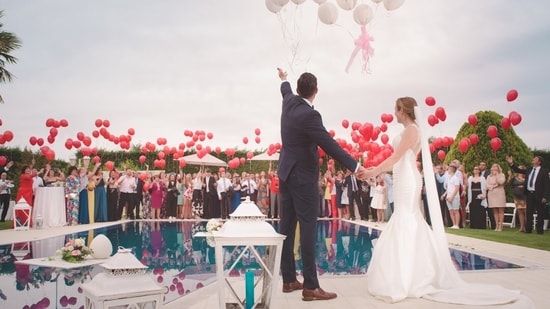
A destination wedding does not have to mean choosing between a beautiful celebration and a sensible budget. The celebrations that leave the strongest impression are not necessarily the ones where couples spend the most, but those where they spend thoughtfully. In an interview with HT Lifestyle, Pratik Sheth, founder of Spotlight Soirees, shared ways to manage your destination wedding budget without compromising on the experience.
Also read | How to choose the perfect photographer and videographer to capture every cherished moment on your wedding
1. Prioritise the guest experience
According to Pratik, it is easy to get carried away with decor and visual references when planning a destination wedding. But before deciding on the aesthetics, look at the complete guest journey—travel, accommodation, food, entertainment, and comfort. A beautiful setup may last for a few hours, but a seamless and enjoyable guest experience shapes how people remember the entire celebration. Allocate your budget accordingly.
2.Choose the destination and venue strategically
“The lowest room rate does not always mean the lowest overall wedding cost. When evaluating a venue, look beyond the headline price and consider room inventory, event spaces, food and beverage costs, venue charges, taxes, décor restrictions, transportation and logistics,” highlighted Pratik. A venue that appears more expensive initially can sometimes be more cost-effective once all these factors are considered.
{{/usCountry}}“The lowest room rate does not always mean the lowest overall wedding cost. When evaluating a venue, look beyond the headline price and consider room inventory, event spaces, food and beverage costs, venue charges, taxes, décor restrictions, transportation and logistics,” highlighted Pratik. A venue that appears more expensive initially can sometimes be more cost-effective once all these factors are considered.
{{/usCountry}}3. Identify your non-negotiables
Every couple has a few elements that define their wedding. It could be an exceptional artist, elaborate decor, a particular culinary experience, or a spectacular production setup. Pratik advises to identify those priorities early and spend where they will create the most impact. You do not need every element to be extravagant; the right elements need to feel exceptional.
4. Be intentional about the itinerary
According to Pratik, more events do not necessarily mean a better wedding. Additional lunches, sundowners, after-parties, and activities can quickly increase costs through food, staffing, production, and transportation. Instead, give every event a clear purpose and personality. A thoughtfully designed intimate gathering can often create more impact than adding another large-scale function simply to fill the itinerary.
5. Plan logistics before they become expenses
Logistics are often an underestimated cost in destination weddings. Moving guests, décor, artists, equipment and production between locations can add significantly to the final budget. When assessing a venue, look at accessibility, loading facilities, local vendor availability, transportation requirements, and the distance between accommodation and event spaces. Good planning at this stage can prevent unnecessary costs later.
6. Plan key vendors and requirements early
Destination weddings involve multiple teams working across locations. Last-minute bookings and changes are almost always more expensive. Pratik highlighted that once the venue and dates are confirmed, start planning the key vendors and major production requirements. This gives you greater visibility on the overall budget and allows different elements—décor, entertainment, hospitality, production and logistics—to be planned cohesively.
7. Keep a contingency budget
Even the most carefully planned wedding will have variables. Weather changes, additional transportation, last-minute guest requirements, overtime, or production adjustments can create unexpected expenses.