
 E-Paper



Ruff notes: What goes into pet food? Find out with Swetha Sivakumar

 Prefer HTon Google


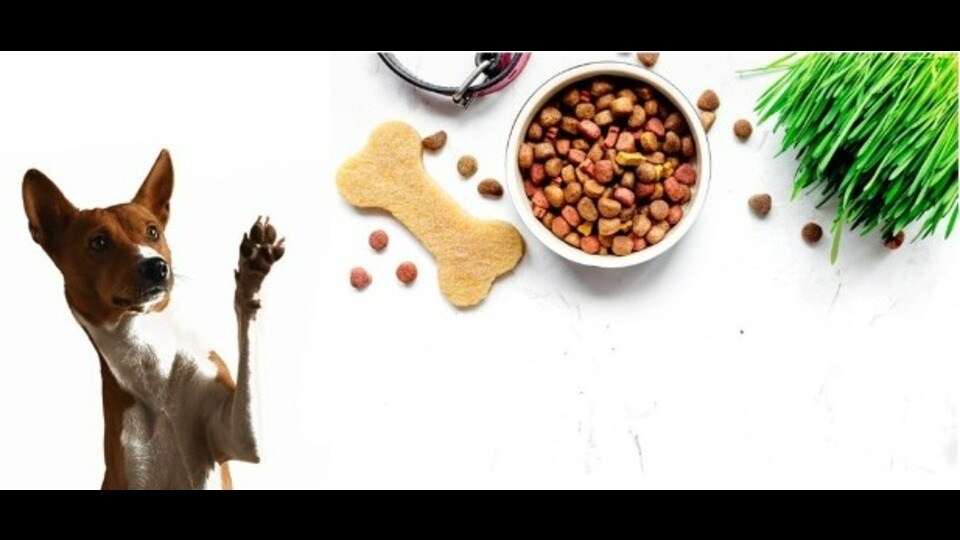
First came ‘dog cakes’, then chew treats and pellets. Today, pet food uses byproduct from the slaughter of meat, and the processing of grain and vegetables.
It was, intriguingly, a lightning-rod salesman who launched the pet food industry, over 150 years ago. James Pratt from Cincinnati had travelled to London on business in 1860. Along the riverbanks there, he saw stray dogs waiting eagerly for fish trimmings to be tossed their way. The dogs also seemed to enjoy hard tack, a dry biscuit made of flour that sailors took with them on long voyages back then.
This gave Pratt an idea for a shelf-stable line of pet-food products. He established the world’s first commercial pet food company, Spratt’s, that same year.
The first Spratt’s product was “dog cakes” made from blood, fish and other meat byproducts. Pratt then launched special biscuits for puppies. Next, malt-and-milk treats called milk bones.
Until Spratt’s, dogs and cats had been fed on table scraps or leftovers from the kitchen. Now, he drove a change using an advertising tack that persists today: If you really love your pet, why don’t you buy them their own food?
As the company became an industry, spawning several me-toos, contemporary events began to shape the products themselves. In the 1920s, horse meat was used widely. This was an era when the military no longer needed horses on the scale that they had during World War 1. People were eating horse meat too.
Then, World War 2 changed an essential aspect: packaging. In war time, metal was too precious to be used on dog food. There was no other way to package existing products, so the products changed. Manufacturers pivoted towards kibble (pellets made from a dried, ground mix of meat, grain and vegetables). Kibble was shelf-stable and easy to store. Even after the war ended and tin became readily available again, kibble continued to dominate the pet-food market. It dominates today, with an 80% market share.
The good thing about pet food is that it does, at the manufacturing level, what the table-scraps diet did for the home: reduce waste. Typical pet-food ingredients include chicken, grain and vegetable by-products. These are essentially the leftover bones, blood and organs from animals slaughtered for human consumption; leftover bran from cereal production; and leftover pulp from vegetable processing. It’s a healthy mix for the animals too.
Some companies, however, take the dark road. The world’s biggest recall of pet food, for instance, occurred in 2007, and was the result of intentional contamination. Two Chinese companies, Xuzhou Anying Biologic Technology Development and Binzhou Futian Biological Technology, added melamine to wheat gluten and rice protein to falsely elevate protein levels in their animal food mix.
They then sold this mix to over 180 manufacturers across North America, who shipped it out unknowingly under their brands. It caused acute renal failure in over 23,000 dogs. Several high-level employees were arrested in China, and $24 million was eventually paid out to affected pet owners.
Such disasters tend to be rare. Overall, the industry has grown steadily, driven more by convenience, it must be said, than by love (fresh food will always have an edge when it comes to healthy eating).
In 2021, the global pet-food market was worth $110 billion, according to Fortune Business Insights. (This includes pet treats, designed to give the animals something to play with or gnaw on for hours, with the added advantage of reducing tartar, strengthening gums and keeping the animal healthier.) It’s a market dominated by a small clutch of conglomerates. Mars Petcare – which is part of the Mars candy company and owns brands such as Pedigree, Whiskas and Sheba – generated $19 billion in revenue in 2021, according to Statista, followed by Nestlé Purina PetCare, with $16.4 billion.
Whatever you decide to buy your pets – branded foods, unbranded foods, fresh foods or a mix of all three (and there really are no wrong answers here) – don’t forget the true treat for them. It hasn’t changed in all these years. It will always be a little more of your time.
(To reach Swetha Sivakumar with questions or feedback, email upgrademyfood@gmail.com)


