
 E-Paper



Why aren’t we nicer to ourselves?: This week’s Life Hacks by Charles Assisi

 Prefer HTon Google


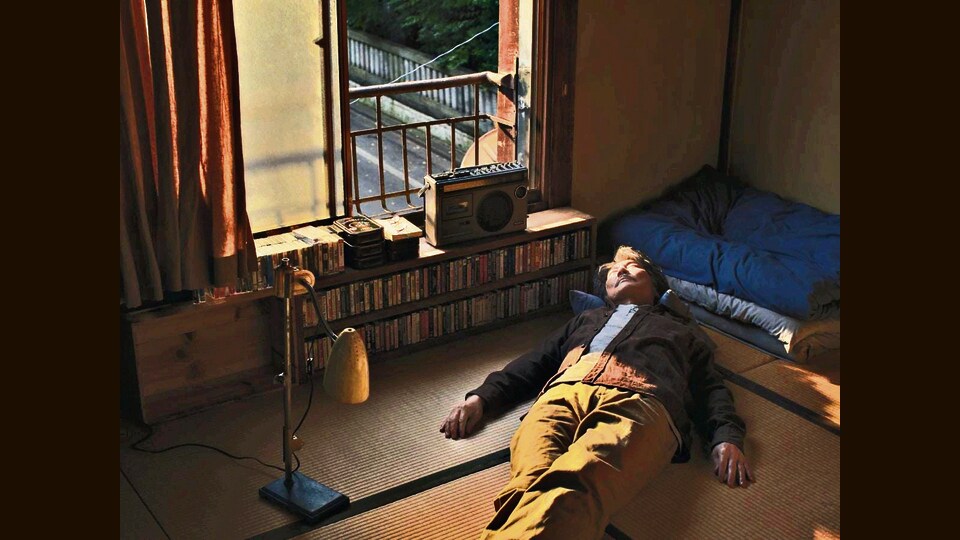
Too many of us still proudly say no to little everyday treats. Yet these are forms of self-repair too. Say yes, not for that reason, but because you deserve it.
A massage. That was all he needed.
Not a luxury vacation. Not a five-star spa package with robes and cucumber water.
Just sixty minutes of quiet. A warm room. Steady hands. Oil kneaded into tired shoulders. A chance to return to himself. But he didn’t go.
“Too expensive,” my friend said. “It’s ₹2,500. I can’t justify that. Not essential.”
Since then, “essential” has been echoing in my head. What do we consider essential? Food, water, shelter… the basics of survival? Yes. But surely there are also “essentials” among the things that makes life worth living?
What about the things that make us feel human? That act as quiet forms of repair?
My generation grew up in a culture that glorified denial. Now middle-aged, we are still proud to say “no” to ourselves: to the occasional treat, the indulgent second helping, the occasional massage.
The generation that raised us fed us stories of struggle that left us believing that pleasure must be earned with suffering. This economy of virtue is a strange one. It leads people to treat their bodies as machines to be maintained at the lowest cost. Offered no seasoning, no delight. Just righteous effort, and well-earned fuel.
There is nothing wrong with that, as a sort of norm. But when it becomes the only path permitted, the body stops expecting joy, and something begins to hollow out within.
This is where the Japanese word shibui enters the frame. It is often used to describe a beauty that is subtle, modest and enduring. To me, the idea brings to mind images of a linen kurta faded just right. A single flower in a room.
But shibui goes beyond aesthetics. It is a way of being. A philosophy that prizes the quiet depth of pure pleasure. A shibui meal, for instance, is not about complexity. It is about intention. Rice that’s hot. Pickle that’s sharp. Ghee that is fragrant.
A massage, in the shibui spirit, isn’t about scented candles and soft music. It is about care — from someone; for the self. A period of stillness. Relief offered with skill.
Our capitalist world is not used to thinking in this way. In the social-media age, quiet pleasures fade still further into the background.
Meanwhile, in India, most of those over 40 still prize thrift and prudence. Save every rupee. Learn to stretch, conserve, delay. Even in times of abundance, we pick the cheaper tomatoes. We skip dessert. We say something we love and say, “It’s okay, I don’t need it.”
Shibui offers a different grammar that might work for us. It doesn’t ask us to splurge. It asks us to choose with care. To ask: What returns me to myself? What leaves me quiet and full, rather than overstimulated and empty?
That’s the key difference. Some pleasures are distractions, because they are loud and temporary. Our elders were right to tell us to largely avoid those. Shibui says: find those that linger, that restore. That bring enduring beauty and pleasure to your life.
This is an important message, even for the pragmatic, because sometimes what looks like saving can be a form of theft from the self. The ₹2,500 massage skipped today may cost you in therapist bills or medical bills instead. The joyless meals may chip away at the spirit until there is nothing left to nourish.
I’m not arguing against frugality. But I am arguing against a kind of self-denial that masquerades as maturity, when in fact it is just fear in a grown-up coat. The older I get, the more I believe that the real richness of life lies not in what we accumulate, but in how we treat ourselves, and others, on the days that aren’t special.
So get the massage. Choose the better tomatoes. Say yes to dessert.
Let the joy be subtle. Let it be enough.
(Charles Assisi is co-founder of Founding Fuel. He can be reached on assisi@foundingfuel.com)


