E-Paper



Listicle: 10 animals that landed up in unexpected places on the planet
Camels, penguins, chitals, mongooses, pythons, hippos, raccoon dogs, wallabies, pelicans, and parrots - unique animals thriving in unexpected places

 Prefer HTon Google


Camels in Australia
The 19th century was wild for camels. They inhabit Africa and parts of Asia, but some one-humped ones (from North Africa, West Asia and the Indian subcontinent) found a home Down Under when they served as colonial exploration assistants in the 19th century. The feral camels (there are some 6 lakh) are now seen as an environmental challenge and a social menace – you would be too if you damaged crops and barged into people’s toilets.

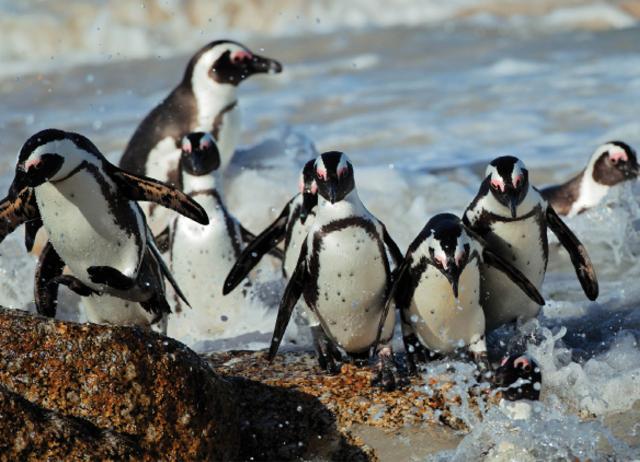
Penguins in South Africa
Penguins appeared around New Zealand and Antarctica about 65 million years ago. The flightless black-footed African penguin is probably only about 2-4 million years old, and possibly swam over when the climate was cooler. They’ve grown to like their warmer home – though they spend most of the day feeding in the cooler ocean, and hanging out in the shade.
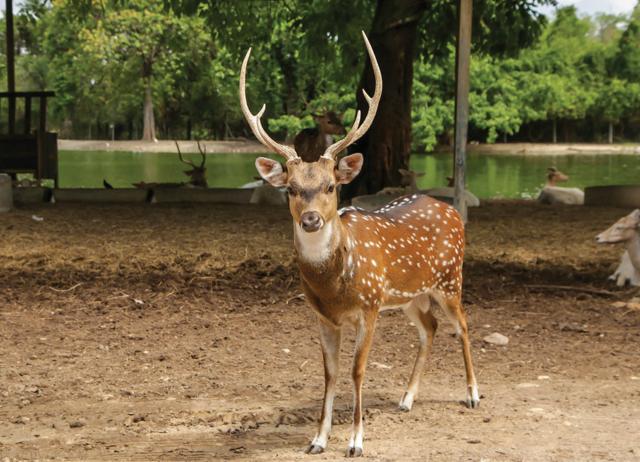
Wild Chitals in the US
Indian chitals were taken to Texas back in 1932 so they could multiply and eventually be hunted. But the proud animals with distinctive spots and large antlers survived and multiplied. They’ve changed their name too – Americans call them Axis deer. And there are more than 15,000 in the wild.
Indian Mongoose in Hawaii
Hawaii had a bitter 1872. Rats infested the sugarcane fields, lowering yields of the lucrative crop. So, they brought in mongooses from India, and released them in Maui, Moloka’i and O’ahu to kill the rats. Oops. The mongooses feasted not only on rats, but local birds, insectes and other small animals. Worse, they caused even more crop damage as they multiplied. Special fencing now keeps them out of sanctuaries and reserves.
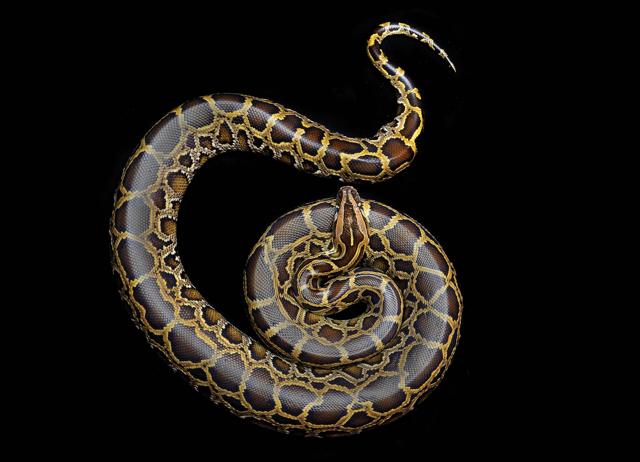
Burmese Python in Florida
Data from the last decade shows that a large number of raccoons, possums and rabbits have gone missing in many parts of South Florida. Environmentalists connect it to the presence of Burmese pythons. The huge snakes – some of the largest in the world – are native to South East Asia. They have blotches on their skin that look like puzzle pieces. The bigger puzzle is how they ended up halfway around the world.
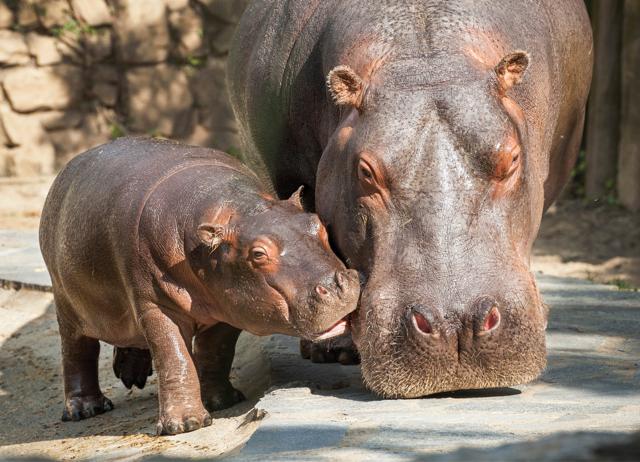
Hippos in Colombia
The richest drug trafficker in history has left the strangest legacy on the natural world. Pablo Escobar brought four African Hippos to his sprawling, infamous Hacienda Nápoles estate in the 1970s. When he died in 1993, the animals escaped into the wild. There are currently 170 of them, running amok, ruining the ecosystem. In pop-culture, they’ve already been immortalised as Cocaine Hippos.
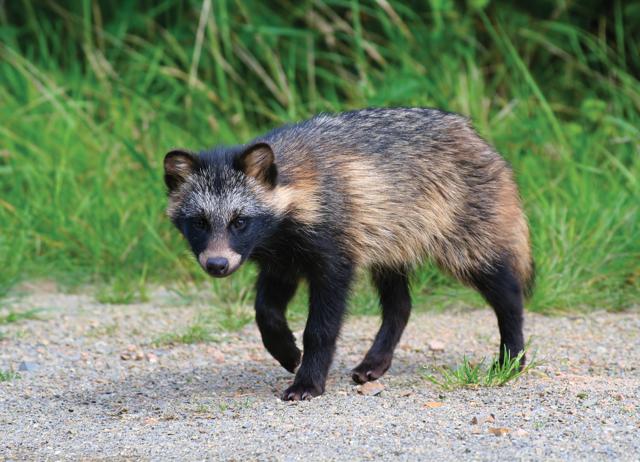
Manguts in Europe
The fox-like canid is often called the Common Raccoon Dog. But it shouldn’t be common to East Europe; its home is East Asia. It was introduced into Soviet Union territories in the 20th century and prized for its thick fur. No one accounted for how well they could live off rubbish and control their metabolisms in hibernation. So, they’ve spread to central Europe too. Don’t fall these fluff balls; they carry rabies and several other diseases.
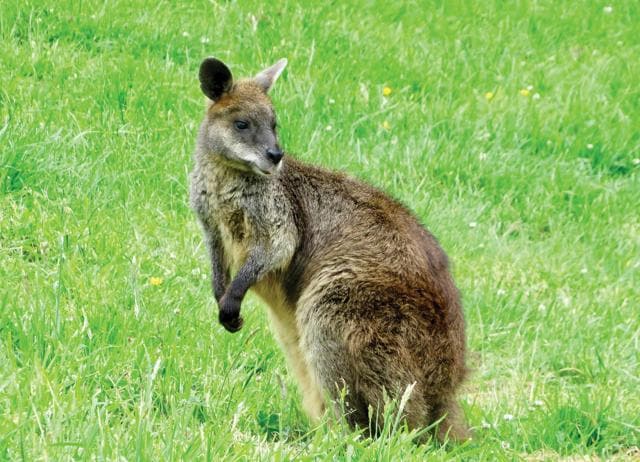
Wild Wallabies in Scotland
On the island of Inchconnachan, in Loch Lomond, is a small wallaby heaven. Fiona Bryde Gore, Countess of Arran (and a champion powerboat racer) brought them over in the 1940s. She simply liked them and wanted them hopping around in her summer house on the island. Oh, to summer like her! Decades later, they are a showcase for the people of Scotland who take boat rides to the unpronounceable island and see the sights.
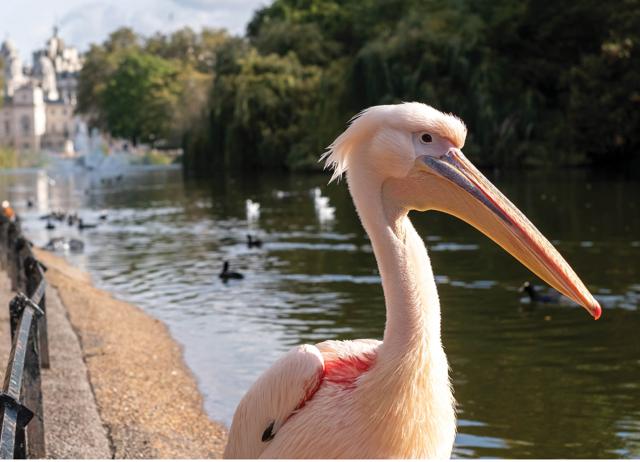
Pelicans in London
The Russian natives were a gift to London by the Russian Ambassador in 1644. Although thousands of miles away from their native habitat, they seem to live comfortable lives in St James Park near the Buckingham Palace and are social with humans there. They sun-bathe on the rocks in the afternoon and sit on park benches when they aren’t busy sneaking into the London Zoo for fish.
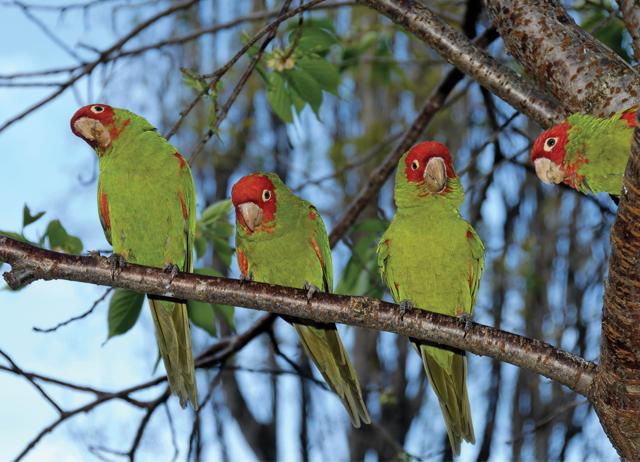
Wild Parrots in San Francisco
Telegraph Hill in San Francisco turns green when wild parrots inhabiting every tree in the area. They belong to the jungles of South America and are usually caged and sold around the world. In the ’90s, a pair of them escaped and settled on a tree on the hill. Think of them as the cherry-headed Adam and Eve of the SF parrot world. They’re now a popular tourist attraction.