
 E-Paper



Love and loss: Why David Nicholls can’t stop writing about romance

 Prefer HTon Google


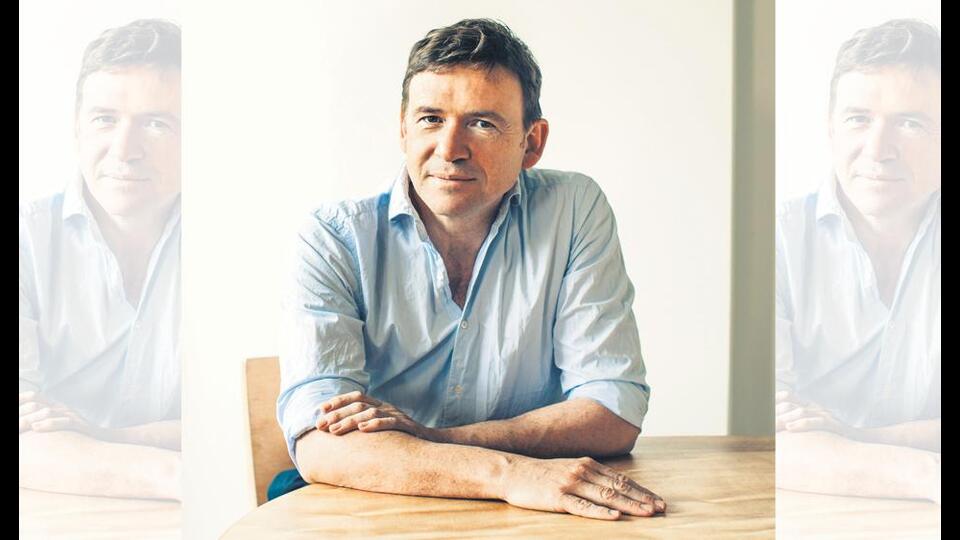
David Nicholls says that all love stories are actually about loneliness. One Day gave us hope. His new novel, You Are Here, gives us more
Reading David Nicholls’s books is like being in the most intense relationship. It is love at first sight; you’ll full-on crush over every flawed character, every fated meet-cute. You’ll die a little inside with every twist. You’ll replay scenes in your head long after the closing chapter.
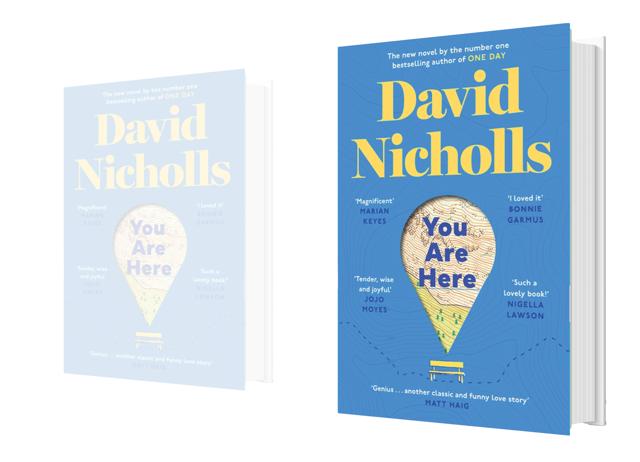
Nicholls’s One Day – that epic tale of hook-ups, false starts, detours, love and loss – was adapted into a Netflix series last year, leaving old and new fans ugly-crying at their screens. You Are Here, his latest, follows two middle-aged individuals finding each other (and themselves) on a walking trail in Northern England after their self-imposed isolation in the pandemic. No heartstring is left untugged, as usual. We wanted to know how he weaves in attraction and destruction, friendship and loneliness in equal measure.
So, we cornered him at this edition of the Jaipur Literature Festival, and asked him.
All six of your novels are about love, but no two are alike. What draws you to the topic, over and over?
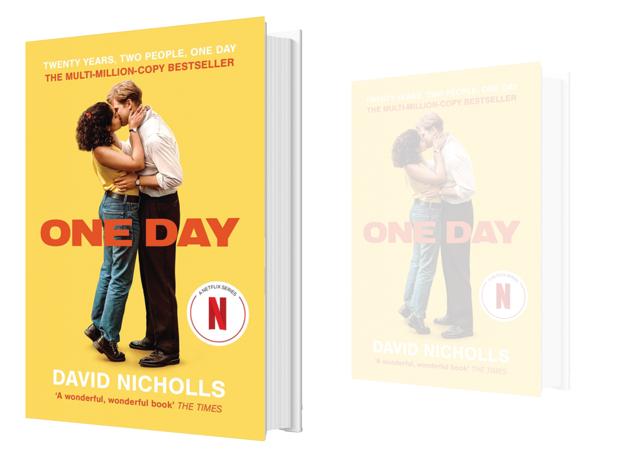
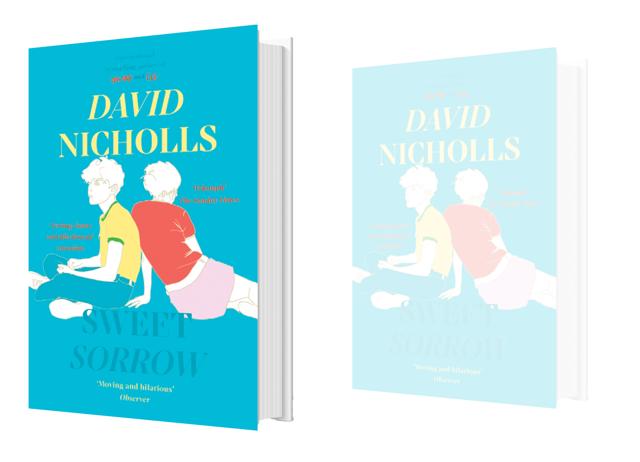
Falling in love is the central event of your life, isn’t it? Why wouldn’t a writer engage with that and explore it fully? One Day (2009) and You Are Here (2024) are love stories. But Us (2014) is very much about the end of a relationship. Sweet Sorrow (2019) is as much about growing up as it is about falling in love.
Love really seems bottomless in its potential. It makes us ridiculous, say foolish things, get caught up in terrible traps. As a teenager, I liked to read books that evoked a big emotional response; and that’s something I’ve tried to emulate. In many ways, the books are much more about friendship than they are about romantic love. Even One Day, which is an epic, sweeping love story for most of its running length, is about the joy and pain of friendship.
You Are Here is the most awkward of love stories. What made you want to tell it?
If there’s a second theme in all the books after falling in love, it’s probably loneliness. Often, solitude is a kind of freedom. The ability to control your life and not answer to anyone is wonderful. The whole business of presenting yourself to another human being as a romantic prospect seems to me so stressful and comical. Loneliness was something I became very aware of during the pandemic as I saw friends who weren’t in relationships, struggling with solitude. It became a starting point for the book.
Has love changed from the time you started writing about it?
In many ways, it’s harder and harder for me to write love stories because I never met anyone online, never dated online.
When we adapted One Day for Netflix, we had a meeting about whether we should update it and have it end in 2024 instead of the original 2007. I personally felt underqualified writing about having an online presence, or less conventional sexual relationships that people have now. So, the Netflix adaptation was mostly done by Nicole Taylor who made it seem more about friendship, which I find wonderful.
Have readers approached you to play agony aunt in their own relationship dramas?
Oh yes. People often say, ‘I’m in love with this guy. He’s a bit like Dexter from One Day. What do I do?’ I have to politely withdraw, because, you know, I have no wisdom. I sit around and think about love all day, but that doesn’t mean I have any answers.
How come there’s so much love but no happily ever afters in your books?
They seem eccentric and forced to me. I don’t know what ‘happily ever after’ means. Does it mean there are no more arguments, breakups, or infidelities? My endings are more straightforward, sad, tragic, or ambiguous. But I’m trying to get better about that. You Are Here was a conscious attempt to write something hopeful.
You are a BAFTA and Emmy-nominated screenwriter as well. How do you feel about seeing your work adapted?
I love it, but it’s incredibly fraught. You are constantly having to change things. When I write a novel, I will get feedback and take notes, but it’s not nearly as agonising as script notes. Those come from different sources, they’re often contradictory. Plus, there is the pressure of money and time. With my own work, it’s exciting that the adaptation will be different from the novel. The actors will do things that aren’t necessarily what I had in mind, but are equally inventive. There are books I love that I never want to see acted out on screen, such as The Great Gatsby. But if one approaches it like a play, as with the endless interpretations of Hamlet, that’s the joy.
From HT Brunch, February 15, 2025
Follow us on www.instagram.com/htbrunch


