
 E-Paper



Mood swings: Why action and romance dominate movies today

 Prefer HTon Google



Films today are either gory action or gooey romance. No in-between. And no accident. Feel-it-all cinema mirrors our chaotic times, say experts
Is it just us, or is your TV’s homescreen looking like it’s going through an identity crisis too? For every recommendation of a violent film (Kantara, Chhaava), there’s a feel-good romance (Saiyaara, Dhadak 2). No in-betweens. Online, it’s the same. Reels set to violent slow-mo punches are trending, as are clips from cosy-blanket romances. How come our choices have boiled down to explosion or emotion? Is this where Bollywood is headed?
It might be, says Dheetchitha Sureshkumar, a counselling psychologist and film enthusiast from Chennai. “Romance and action fundamentally meet the needs of a mainstream audience,” she says. What’s changed is how the streaming system has amplified it. “Louder visuals, exaggerated emotions, more polarised social-media debates,” mean that you’re just noticing it more now.
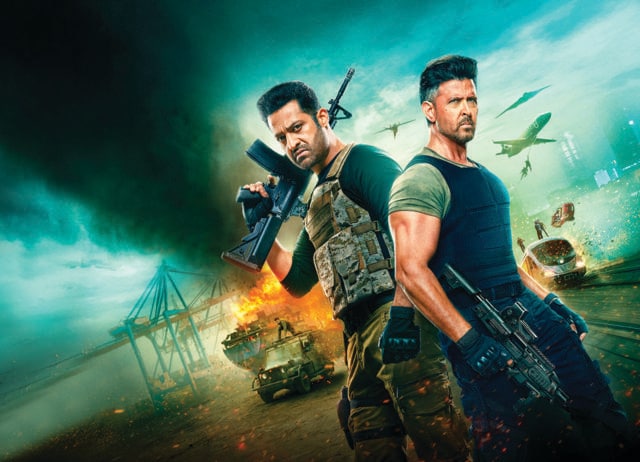
Psychologically, both genres serve different regulatory functions. In periods of high uncertainty, aggression can feel restorative, even if it is indirect. On the other hand, prolonged emotional exhaustion pushes people toward soothing, attachment-rich narratives. “Major shared stressors such as financial instability, pandemic after-effects, and rapid social change raise baseline anxiety and grief,” Sureshkumar says. “This increases demand for both kinds of regulation strategies.”
Films are powerful, but they’re not enough to pull us from an economic lull or the climate crisis. At best, most commercial cinema is (as it has always been), a short-term distraction from our collective sense of anger or helplessness. We’re drawn to heroism because heroes get things done. We like love stories because they tie every loose end into a neat little bow.
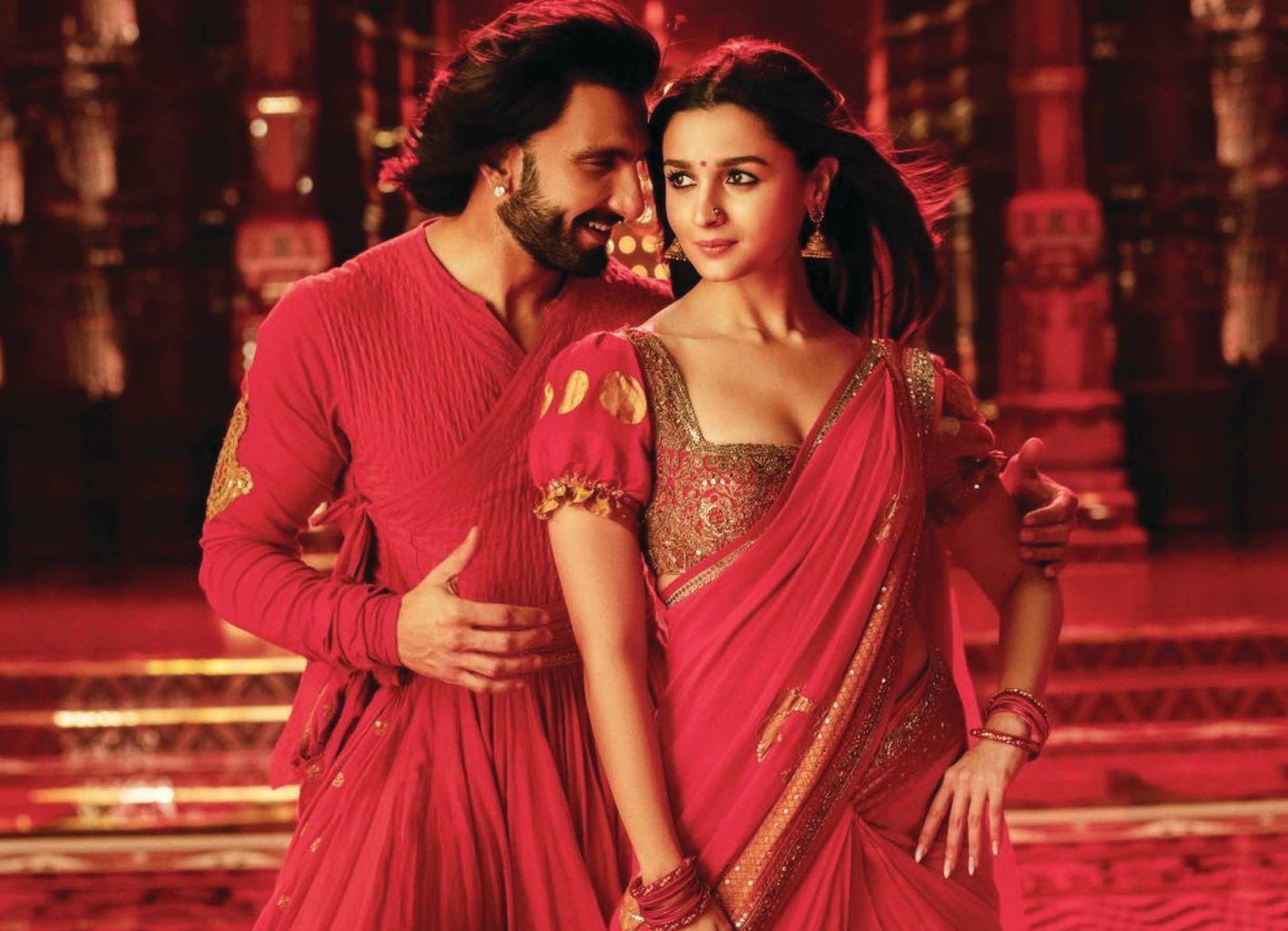
Of course, it’s not real. That’s the point. Sureshkumar warns that leaning too much into an on-screen fantasy might mess with one’s perception of reality. Seeing violence as a virtue isn’t great with solving IRL conflicts, and “portraying unconditional love as healthy only romanticises neglect and can damage young people’s idea of relationships”.
In Hollywood, research is acknowledging what we all knew – movies are more angrier now. A 2013 study found that gun violence in top films more than doubled since 1950. And since 2009, PG-13 rated movies have shown as much or more violence than R-rated films. In India, a dataset called InMDb: Indian Movie Database for Emotion Analysis uses survey data and measurements of viewers’ heart rates to track what larger-than-life stories are really doing to us. Even when people said they weren’t affected, InMDb knew which parts of a trailer’s music, visuals, and dialogue caused emotional responses.
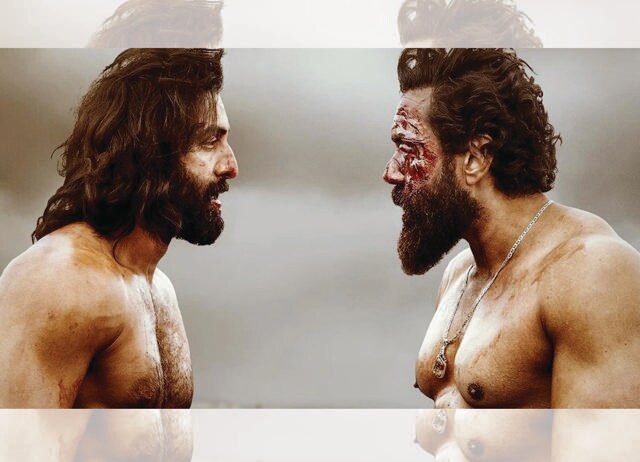
Love and war bring out extreme reactions in most people. So, filmmakers know they’ll be most profitable during an uneasy time. Viewers use both strategies: Choosing to feel what they already feel, or choosing to shift away from it, Sureshkumar says. “Memes and online fan wars amplify this polarisation. They simplify the complex films into shareable tropes, boost visibility, and create echo chambers where the extremes reinforce each other.”
No need to swing with the pendulum. The remote control is in your hands. So, filter out the blockbusters. Indian indie cinema has more complex stories, well-rounded characters and mature plotting. For every romcom or battle royale, there’s a cute little studio film that’s hard to pin to a genre, but is rewarding to watch. And if it’s still hard to tear away from the tropes, ask yourself why you’re drawn to gore or sap in the first place.
From HT Brunch, November 08, 2025
Follow us on www.instagram.com/htbrunch


