
 E-Paper



Music: It’s all about the tradition for Takar Nabam
The Nyishi musician, whose upcoming EP features his family, talks about how music helped him trace his roots and keep traditions alive


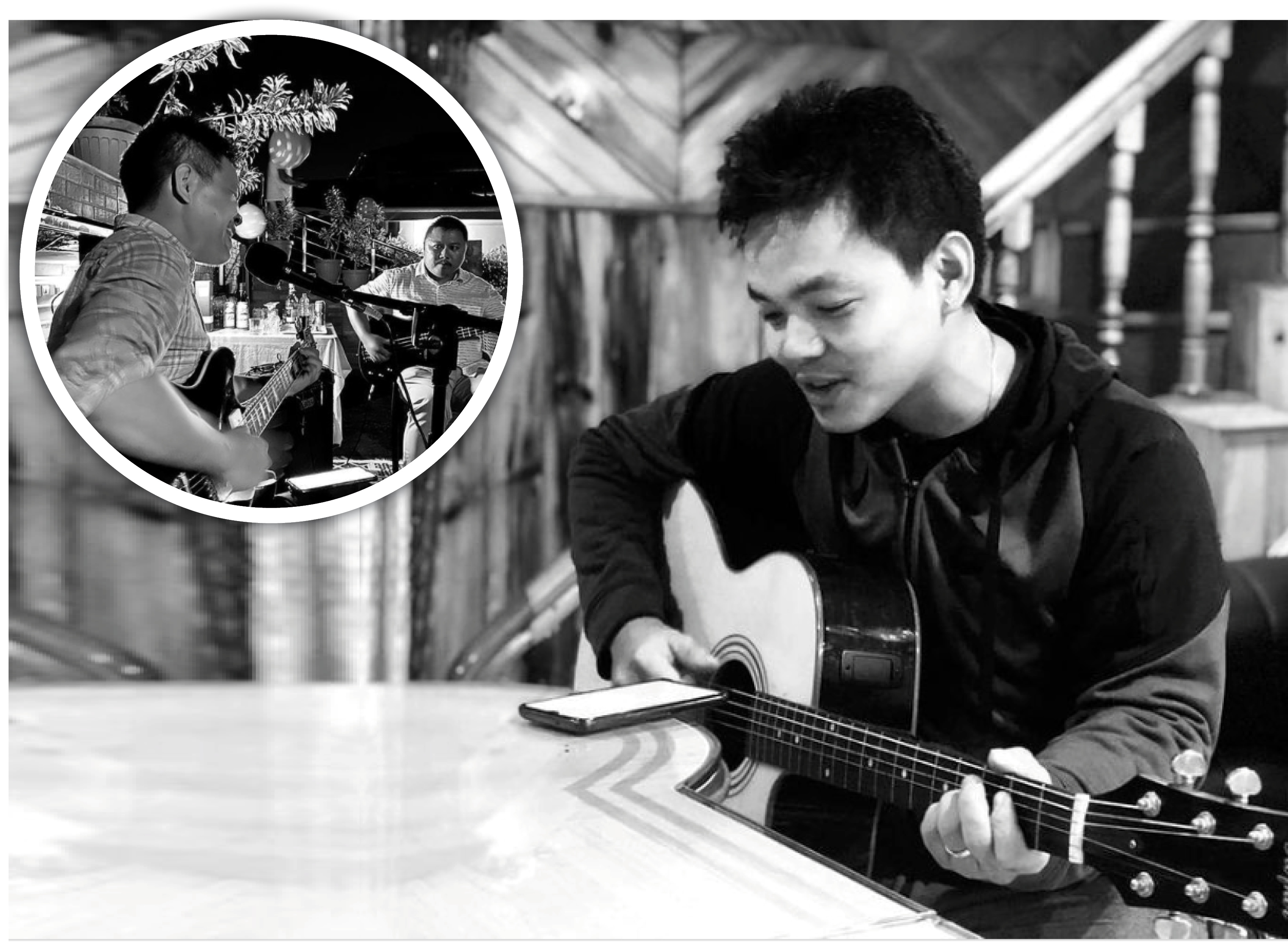
Did you know that some classic nyishi folk songs from Arunachal Pradesh today have Assamese music similar to that performed at Bihu? That’s because the music industry didn’t exist in the state, so musicians had to travel to Assam to record. Today, Arunachal-based guitarist and singer-songwriter Takar Nabam is recording his upcoming EP, using a minimal but effective makeshift studio at home, with the help of homegrown vocalists, namely his mother, cousin and aunt, making the most of the stay-in-place rules of the pandemic. In this period, he’s recovered from Covid, helped out with household chores and dabbled in video-related work, background scoring and music production.

Family first
Is music genetic when it comes to the Northeast? Well, there’s definitely a healthy exposure to different genres of music including folk music, as well as a lot of emphasis on knowing your dialect, culture and traditions. Takar, who credits his artistic skills to his mother, who sings, dances, paints, etc., was brought up on a diet of Bryan Adams, Bon Jovi, Guns N’ Roses, Eagles, John Mayer and of course the go-to favourite at get-togethers even today, Kishore Kumar. This, besides folk songs at their traditional festivals, even while he was in Delhi for 21 years. However, contrary to popular belief, parents in the Northeast also insist on focusing on academics instead of picking music as a career.
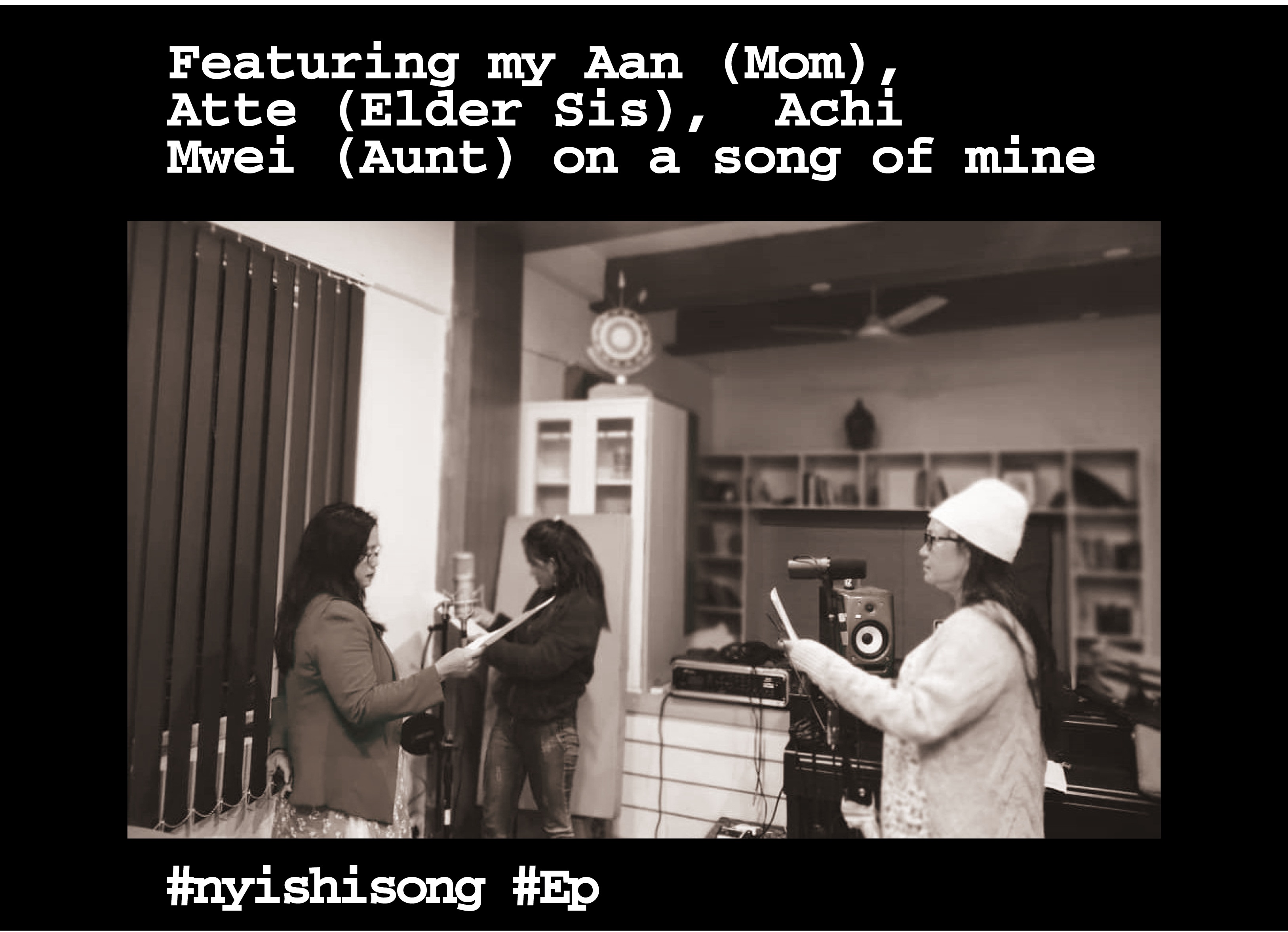
“My parents were chill once they realised I could be financially stable via music,” the 30-year-old says. This support extended to the family coming together for Takar’s take on a ritualistic nyishi song. He asked his cousin to write the nyishi lyrics from the Buya, a song sung at their annual Nyokum festival in February. And as it’s usually sung in a group setting, he roped in some familiar backing vocalists – namely his male cousin and a friend singing the male parts, and his mother, cousin sister and aunt doing the female vocals. It was all wrapped up in six takes one evening!
“There was the comfort of recording from a makeshift setting at home, not splurging, and singing with family,” Takar admits. “However, of course there was an excited peal of laughter in the middle and we had to re-record,” he laughs. “But you need to get the diction right and this was the best way,” he adds.
Preserving tradition
Is he skeptical about giving a folk song Western influences? “Yes, because the older generation may object. But it’s art at the end of the day and I’m not claiming anything that’s untrue or repainting it, so I hope people listen to it with a broader perspective,” says Takar.
He’s sure the younger crowd will find it cool, though. Especially since he’s incorporated a Tibetan instrument, the Dramyin – a string instrument that sounds like the sarod but has a more rounded, warm sound.
Roots and a move back home inspired all five tracks of his upcoming EP, aptly titled Red and Yellow, to represent two contradictory things happening at the same time: red representing his angst and yellow, nostalgia. “When I moved back home from Delhi, I felt out of place as I had missed out on so many things – being aware of my culture, roots and speaking my dialect. I felt it when I went to remote villages and areas. It started eating me up inside and I realised I have to relearn,” he says, and adds he also wanted to do something to help preserve traditions. “When I came back, I realised youngsters were lazy to learn traditions, questioning ‘why should I learn about it’. I have a friend who’s been here all his life and now I’m speaking our local dialect better,” Takar points out.
Follow @kkuenzang on Twitter and Instagram
From HT Brunch, March 21, 2021
Follow us on twitter.com/HTBrunch
Connect with us on facebook.com/hindustantimesbrunch


