
 E-Paper



Neeraj Chopra on India at the Olympics. And life after winning

 Prefer HTon Google


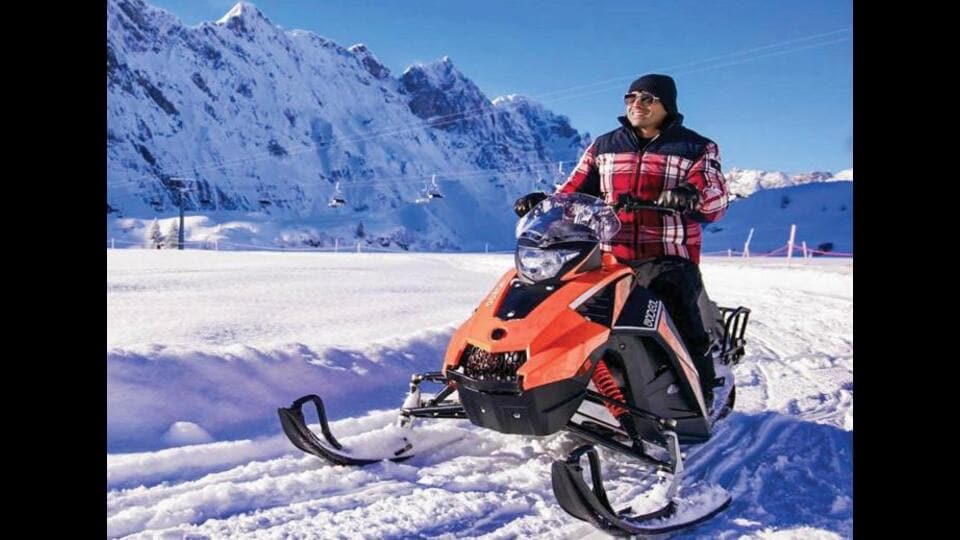
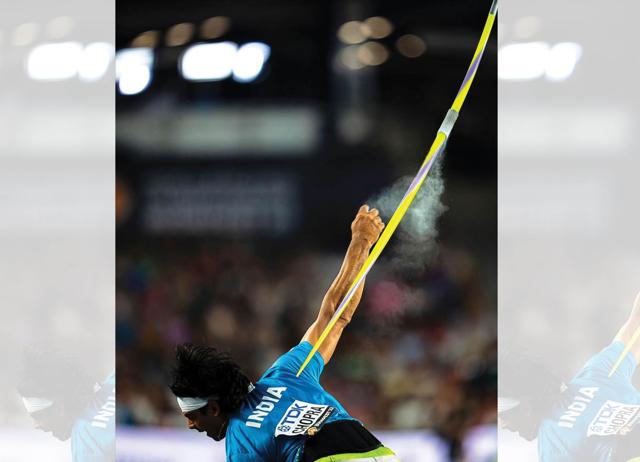
At 26, Neeraj Chopra has won Olympics gold, set new records and shown us how far a javelin (and an Indian athlete) can go. So, where does he go from here?
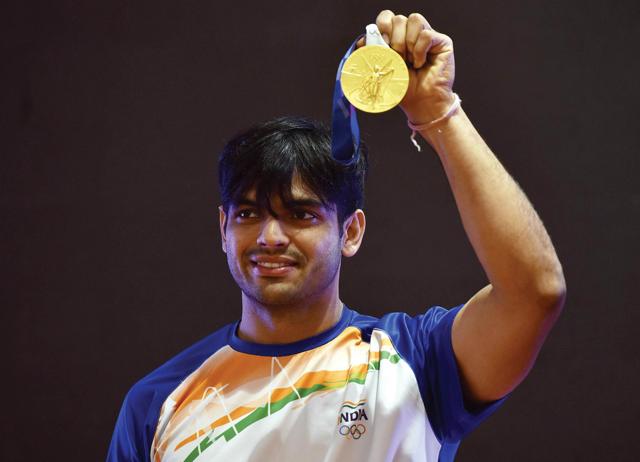
Neeraj Chopra was just 24 when his 86.69m javelin throw won him the gold medal – India’s first for athletics – at the Olympics three years ago. Now 26, he’s gone from chubby much-teased child, to avid gym rat, to javelin hobbyist, to surprise talent, to setting a world record at the World Under-20 Championships in 2016, to a Junior Commissioned Officer in the Indian Army, to the Olympics, to gold at the games, to a Khel Ratna and Arjuna award, and to global fame. That’s already enough for a memoir. Yet, Chopra grins in photos the way only a 26-year-old can, eyes shining with all the life yet to be lived, giving us, at the very least, hair goals.
How does one aim higher after seemingly having achieved it all? For Haryana-born Chopra, the approach has been off-road from the beginning. “For me, at least, it’s not just about winning. I make sure that I enjoy my daily routine, my training, my competitions… I enjoy it all,” he says. “Of course, it gives me immense joy that I’ve won the biggest tournaments in javelin, but it’s the will to return to these platforms and perform even better that keeps me motivated. India is shining in the athletics space. It’s vital for us athletes to compete more to show that winning once isn’t everything.”
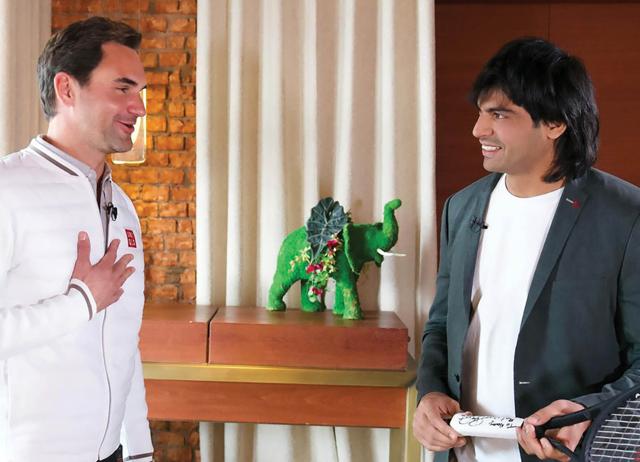
Some perks were unexpected. In 2022, Chopra was appointed Friendship Ambassador of Switzerland. On a recent trip, he met tennis legend Roger Federer. The experience was “incredible”, he says. “Besides being an excellent athlete, he was very gracious in how he made time for me.” Federer offered Chopra his personal recommendations across Switzerland, discussed the ease of travel across the country , and summer and winter activities. “I also picked his brain on how he kept his focus on the court and reached the heights he did,” Chopra says.
Aim and shoot
India’s eyes are always on the distance Chopra’s javelin travels. But the athlete says there’s no pressure from all the attention. It just keeps him motivated. “How we train is paramount to the outcome of a tournament,” he says. It means that the burst of fame, the brand endorsements, the magazine covers and other accolades are secondary. When training, Chopra’s focus remains razor sharp, there are no distractions. There hasn’t been much change in his routine since 2020, he just follows what’s always worked for him.
“We aim to improve our overall performance, technique, fitness and strength, so we focus on what’s necessary,” Chopra says, referring to the efforts he and his team are putting in. “I recently had a groin injury, so we’re trying to make that area stronger and also tweaking my technique so there’s not too much pressure on that region. A simple injury, if ignored, can ruin an entire season. So, we try to focus less on the larger exercises and more on smaller mobility movements.” This kind of regime usually bores athletes. “But these workouts are the ones that make the biggest difference. I’m trying to develop an interest in mobility and stretching, working more on smaller muscles.”
Over time, he’s learnt to compartmentalise and tweak his training programme wherever the opportunity presents itself. “It’s crucial to put your heart and soul into the sport and work as hard as possible,” Chopra says. “But it’s just as important to take a few days off from time to time and live in the moment.”
Circle of trust
Chopra relies emotionally on his parents and two sisters. His parents haven’t seen him perform at many competitions, he admits. They also don’t travel with him too often. “Earlier, I used to feel a bit strange knowing that they were watching from the stands. I think I’m used to it now and would like them with me more often,” he says.
Chopra’s uncle and brother-in-law joined him on the trip to Switzerland. They trekked up the mountains, visited the most scenic villages and took in all that the wondrous Alps have to offer. It was his first winter in the country. He froze through his layers but still went mountain biking. “It was my first time at Engelberg, I desperately wanted to go skiing but couldn’t this time. I just tried on the skis. I’ll try to come back here after the Paris Olympics,” he says. “At Jungfrau, we got a 360-degree view of the Alps, and at the Ice Palace. I gave them my javelin to be frozen for display, which was extremely special for me.”
The family, who work in agriculture, can’t assist Chopra in training, but they’ve given him lessons that have shaped how the nation, and the world, sees him. “No matter how much you may have achieved, it’s vital to stay grounded and be kind,” Chopra says. “We never know where life may take us. We may meet someone just once — perhaps for just one minute — but they may remember this meeting their entire lives and talk about us and our sport. The kinder we are to others, the better our lives and the world around us are.”
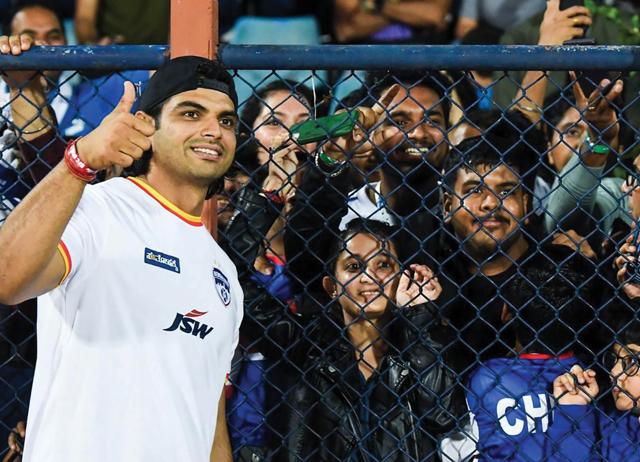
Fans have seen that side of him. Chopra smiles widely in selfies, as thrilled to meet folks as they are to have a glimpse of him. They don’t always ask for pictures. “Some prefer to spend a couple of minutes talking, asking me how it’s all going and what my future goals are,” he says. “Of course, it’s different with adults, but when children come and give me a hug — it’s happened a few times — it makes me feel warm. They’re innocent and don’t have a filter. They’re genuine.”
At 26, then, with a life yet to be lived, Chopra knows so much has changed. And yet, much remains the same. Away from the foreign trips, the training sessions, and his Army duties, Chopra looks forward to trips back home to Haryana. “I try to spend as much time with my family as I can. This often disrupts their everyday life because I keep asking them to sit and spend time with me when they’re going about their work!”


