
 E-Paper



Hybrid makeup: Colour, care and maybe a con job

 Prefer HTon Google



Could make-up pull double duty as skincare? Or does it deliver two bad ideas in one? We get experts to break down some claims
A good BOGO offer is hard to resist. That’s why hybrid makeup – cosmetics designed to double up as skincare – is such an easy sell. Top-end brands such as Bobbi Brown and Guerlain have been doing it for years. Recently launched Hermès Beauté is doing it too, as do mass-market Indian brands. A well-stocked makeup kit these days can contain primer with anti-ageing peptides, foundation that moisturises with jojoba oil, lip balm with SPF, concealer that also smoothes fine lines, eyeliner infused with skin plumping hyaluronic acid, liquid blush with Vitamin C mixed in, and tinted moisturiser that fights acne as it covers blemishes.
“Hybrid makeup is usually in demand with Gen Z and millennials, two generations that wear make-up every day, and expect it to be multi-purpose, last longer and feel comfortable,” says Alok Kamat, business partner at Maxima Solutions, a Mumbai-based family-run business that has been manufacturing cosmetics for 38 years. They’re associated with brands such as L’Oréal, Himalaya Wellness, Kaya Skin Clinic, Nykaa, Mamaearth and Plum. Makeup artist Clint Fernandes says his clients, especially brides, love hybrid makeup. “They feel their skin is being nourished,” he says. “Also, some of these products have a great texture.”
It’s tempting, then, to skip skincare altogether and just buy makeup. This is what’s giving dermatologists cause for worry. “Skincare ingredients feature in such low quantities in makeup formulations that they aren’t enough to work,” says Kaya Skin Clinic’s dermatologist Priya Puja. Consider the flagship hybrid: Foundation with built-in SPF. “Anyone hoping to get adequate sun protection would have to buy foundation with SPF 30 or higher and apply three fingers-full of it on their face,” says dermatologist Geetika Mittal Gupta, founder of Delhi-based aesthetic clinic Isaac Luxe. “No one would use so much foundation at one time.” Users are better off applying adequate sunscreen first and foundation after, regardless of the latter’s sun protection claims.
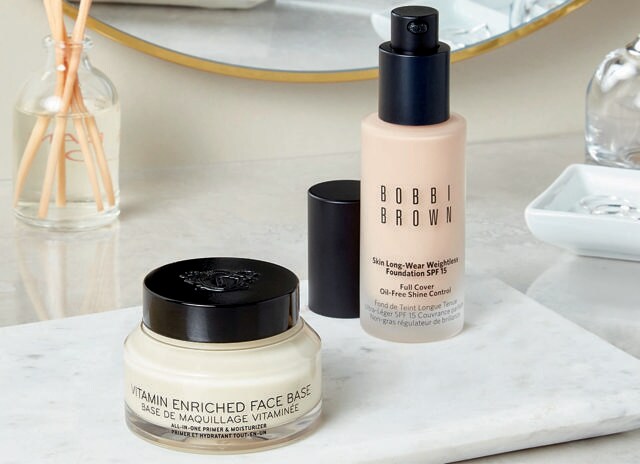
A makeup-skincare mix is, at best, a marketing tool, a way to convince shoppers that they’re caring for themselves rather than making cosmetic changes. At Maxima Solutions, Kamat asks clients how they want a skincare ingredient incorporated in their makeup formula. “This could be at an emotive level (just enough of it to advertise its presence) or at an active level (a prominent part of the formula),” he says. “Most of them opt for the emotive level.”
The odd lipstick with a bit of SPF is fine. But add-ons in cosmetics are no substitute for a dedicated skincare regimen. “If anything, makeup blocks skin pores and can cause acne, even if it has skincare ingredients,” Gupta says. Vitamin C is a skincare ingredient best used at night. When infused in a setting spray or tinted face powder, which are typically worn in the day, they risk making skin more sensitive to the sun. Dermatologist Stuti Khare Shukla issues a clearer warning: “There’s no research or data on the skincare ingredients in make-up. So, it’s hard to say whether it even works for the skin.”
Even if it does work, skincare is complicated enough. Not all ingredients are suitable for every skin type and at all times. Products that use AHAs (light acids marketed largely as anti-ageing elixirs), tend to not suit sensitive or very dry skin. Foundations with acne-fighting salicylic acid make skin even more vulnerable to sun damage. Moisturising cosmetics, with waxes and pigments sitting on the skin’s surface all day, tend to wreak havoc on oily skin, clogging pores and causing breakouts, the very opposite of skincare. “If you have sensitive skin, stay away from makeup that has active ingredients,” says Puja.


