
 E-Paper



Hair expert answers 6 questions about bleaching hair: Pre/post-colour care to knowing if your hair is even ready for it

 Prefer HTon Google


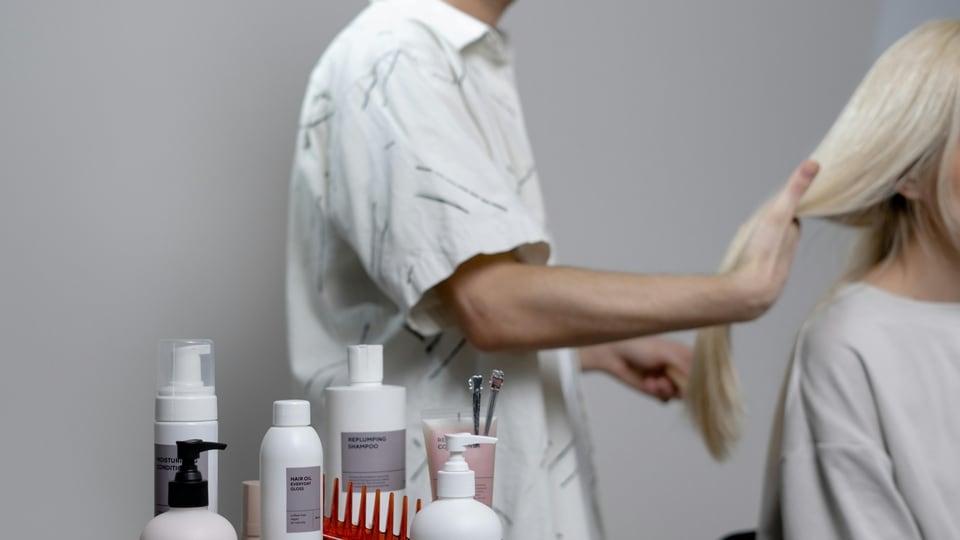
Virgin hair requires minimal prep, focusing on hydration, while previously treated hair needs strategic bond-building and moisture balance before colouring.
Thinking about giving your hair a new life with a colour job? While it does make your hair look oh-so-stunning, a bad approach to dyeing your hair can cause real damage.
We spoke to Javed Khan, Creative Colour Expert at Sinh Salon, Gurugram, to ask him all about the most important questions to know when considering colouring your hair. From pre to post-colour cair to making an informed decision about going for the change, here's all you need to know.
Also read: Hair colour trends 2025: From golden saffron highlights to royal blue streaks, shades that will rule this festive season
1. What kind of hair health checks should be done before colouring or bleaching to decide if the hair is ready for the process?
Before any colour or lightening service, a thorough hair and scalp diagnosis is essential. This typically includes an elasticity test to assess how well the hair stretches and rebounds without snapping, which indicates internal strength. A porosity assessment helps determine how evenly the hair will absorb colour or bleach. Stylists also evaluate breakage and overall strand strength, particularly around vulnerable areas such as the crown and hairline. A scalp health check is crucial to identify sensitivity, irritation, dandruff, or abrasions that could react poorly to chemicals. Finally, a detailed history of previous chemical treatments, including colour, keratin, rebonding, perming, or henna, is reviewed to ensure the hair can safely undergo another service.
2. What are the biggest mistakes people make in the weeks leading up to a colouring or bleach appointment?
One of the most common mistakes is excessive heat styling without adequate heat protection, which weakens the hair before a chemical service. Many people also skip deep conditioning or repair treatments, leaving hair dehydrated and fragile. Using clarifying or anti-dandruff shampoos too close to the appointment can strip natural oils and disrupt the scalp barrier. Incorrect application of heavy oils or DIY masks right before colouring can interfere with colour uptake. Lastly, not fully disclosing past chemical treatments can lead to unpredictable results.
3. Are there specific signs that clearly indicate hair is not ready for bleach?
Yes, there are several clear warning signs. Hair that snaps easily when gently stretched indicates compromised elasticity. A gummy, rough, or excessively dry texture when wet often points to internal damage. Visible white dots, excessive split ends, or mid-shaft breakage are red flags. Unusual hair fall during washing or combing, beyond normal shedding, is another indicator. Hair that feels over-processed, limp, or lacks resilience generally needs repair before any bleaching service is attempted.
4. How does pre-colour care differ for virgin hair versus previously coloured or chemically treated hair?
Virgin hair typically requires minimal preparation, with the focus placed on hydration and maintaining a healthy scalp. Because it hasn’t been chemically altered, it tends to lift more evenly and can tolerate lightening better. In contrast, previously coloured or chemically treated hair requires a far more strategic approach. This includes bond-building treatments, protein reinforcement, and moisture balance prior to colouring. Strand tests become essential, and lifting is often done more gradually and gently to preserve the integrity of the hair.
5. Once hair is coloured or bleached, what should an ideal at-home care routine look like in the first two weeks?
In the initial two weeks post-service, aftercare is critical. Hair should be cleansed with a sulphate-free, colour-safe shampoo, ideally no more than two to three times a week. A deep conditioning or bond-repair mask should be used weekly to restore strength and moisture. Heat styling should be avoided where possible, or kept to low temperatures with a reliable heat protectant. Incorporating leave-in conditioners or lightweight serums helps maintain hydration and smoothness. It’s also advisable to avoid swimming, excessive sun exposure, and harsh styling products that can accelerate colour fade or dryness.
6. How often should coloured hair be trimmed, treated, or professionally maintained to prevent long-term damage and colour fade?
To maintain healthy, coloured hair, trims every 6–8 weeks are recommended to prevent split ends from travelling up the shaft. Professional treatments, such as bond repair, hydration, or protein therapies, should be scheduled every 3–4 weeks, depending on the hair’s condition. For colour longevity and shine, a colour refresh or gloss service every 6–8 weeks helps maintain tone and vibrancy.


Catch your daily dose of Fashion, Taylor Swift, Health, Festivals, Travel, Relationship, Recipe and all the other Latest Lifestyle News on Hindustan Times Website and APPs.


