
 E-Paper



Eid-ul-Adha 2023: Date, history, significance, celebration and all you need to know about the Bakra Eid festival

 Prefer HTon Google


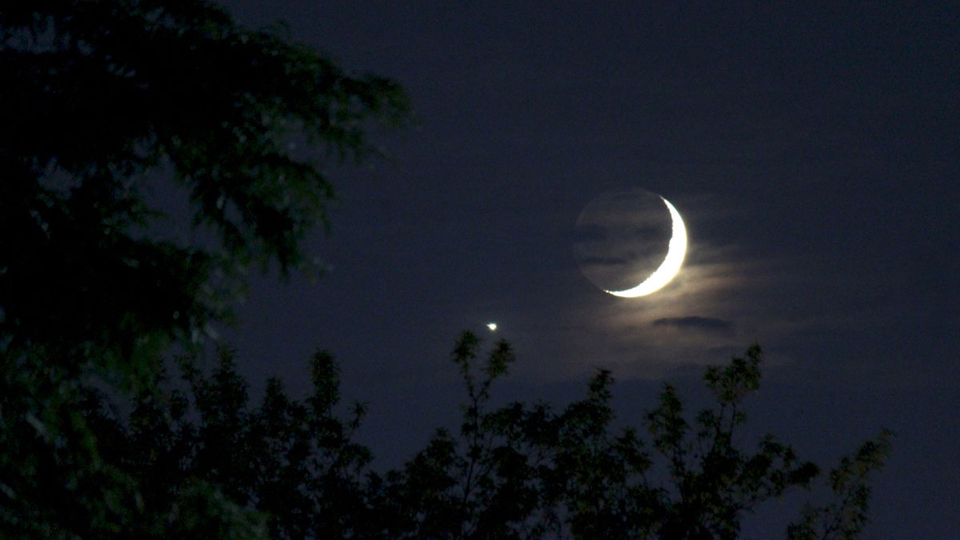
Eid-ul-Adha, also known as Bakra Eid or Bakrid, falls on June 29. Read the history, significance and celebrations of this auspicious Islamic festival.
The second most auspicious Islamic festival of Eid-ul-Adha is around the corner, and Muslims across the globe are getting ready to celebrate it with family and friends. Also known as Bakra Eid, Bakrid, Eid al-Adha, Eid Qurban or Qurban Bayarami, Muslims mark the major festival of Eid-ul-Adha in the month of Zul Hijjah/Dhu al-Hijjah - the twelfth month of the Islamic or lunar calendar. It honours and commemorates Prophet Ibrahim's absolute dedication to Allah. Scroll ahead to learn about the date, history, significance and celebrations of the Bakra Eid festival.
(Also Read | Eid ul Adha 2023 gift guide: Meaningful presents for loved ones)
Eid-ul-Adha Date:
Jamiat Ulama-i-Hind, the oldest and largest socio-religious organisation of Indian Muslims, announced that Eid-ul-Adha will be celebrated on June 29. Bangladesh, Pakistan, Japan, Malaysia, Indonesia, Canada and Singapore will also mark Bakrid on the same day as India. Meanwhile, Saudi Arabia will celebrate the festival on June 28.
Eid-ul-Adha History and Significance:
Abraham, or Prophet Ibrahim, had a recurring dream of slaughtering his son, Ismael, to fulfil the wishes of God. Ibrahim told his beloved son about these dreams and explained how God wanted him to make the sacrifice. Ismael, a man of God himself, agreed with his father and asked him to execute Allah's wishes. However, Shaitan (the devil) tried to tempt Ibrahim and deter him from attempting the sacrifice. But Ibrahim shunned it away by pelting it with stones.
Allah saw Ibrahim's absolute devotion and sent Jibreel (Angel Gabriel), the Archangel, bearing a sheep for the slaughter. Jibreel told Ibrahim that Allah was pleased with his faithfulness and sent this sheep to be slaughtered in place of his son. Since then, cattle sacrifice during the Eid-ul-Adha celebrations commemorates Prophet Ibrahim and Ismael's love for Allah. It also shows that one is willing to make the ultimate sacrifice of what they love dearly for the sake of Allah.
Eid-ul-Adha Celebrations:
On the tenth day of Dhu al-Hijjah, Muslims across the globe mark Eid al-Adha by commemorating the sacrifice of what one loves the most for Allah and the sheep sent by Allah through Jibreel by sacrificing a goat or sheep in the spirit of sacrifice. The meal prepared from the sacrifice is then distributed in three equal parts - one portion feeds the family, the second is for the relatives, and the third is for the poor and needy. Muslims believe that even though neither the meat nor the blood reaches Allah, the devotion of his people reaches him.
Muslims also visit the mosque to offer Eid al-Adha namaz after the sun has completely risen and just before it enters the Zuhr time (midday prayer time). They start the festival by offering morning prayers at the mosque and follow it by performing the ritual of sacrifice, which is akin to the practice of self-sacrifice - an act of offering gratitude to Allah.
Additionally, Muslims also mark the festival by eating delicious food, giving alms to the poor, and getting together with family, relatives and loved ones to share joy and love. Friends and family also sit together to enjoy a feast, including dishes like mutton biryani, mutton korma, mutton keema, bhuna kaleji and more, and the desserts include sheer khurma and kheer. Women also apply mehendi on their hands to add more beauty to the Eid-ul-Adha celebrations.


