
 E-Paper



Magh Bihu 2024: When is Bhogali Bihu? Know the correct date, history, significance, rituals of Assam's harvest festival

 Prefer HTon Google


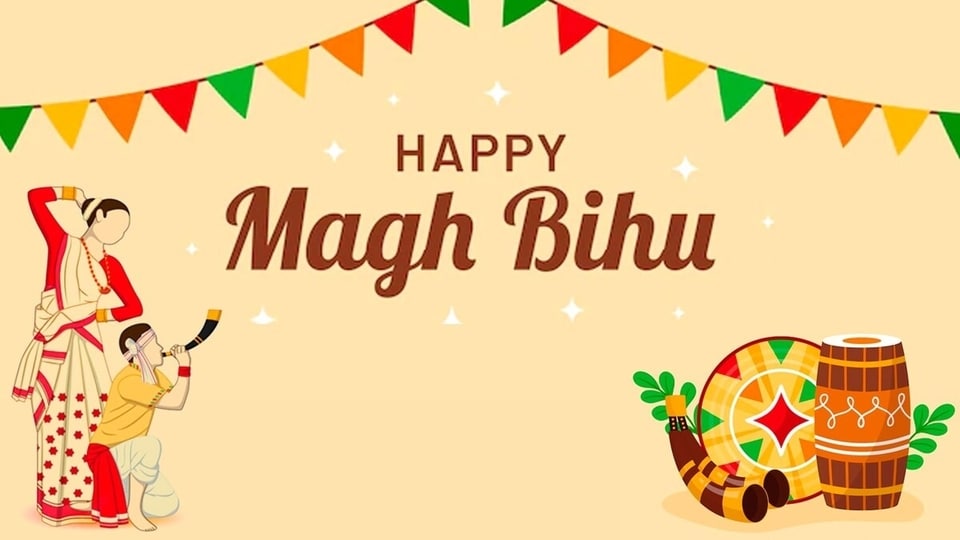
Magh Bihu or Bhogali Bihu is celebrated with pomp in Assam. Know the correct date, history, significance, and rituals of Assam's harvest festival inside.
Magh Bihu, also known as Bhogali Bihu or Maghor Bihu, is a harvesting festival celebrated in Assam. It marks the end of the harvesting season and falls in the first month of the year. According to the Bengali Panjika, Magh Bihu is celebrated on the first day of Magh month. While in Assam, the festival is known as Magh Bihu, it is called Pongal in Tamil Nadu, Lohri in Punjab, and Makar Sankranti in Northern parts of India. People thank the God of agriculture and their ancestors for a bountiful harvest and a good life. They gather with their friends and family to feast on the new yield, engage in traditional activities, prepare traditional Assamese food and sweets, build a makeshift cottage called Bhelaghar, and build Meiji, which are burned as a sign of the end of old and the start of new.
(Also Read | Happy Magh Bihu 2024: Wishes, images, messages, SMS, greetings, WhatsApp and Facebook status to share on Bhogali Bihu)
Magh Bihu Date 2024: When is Bhogali Bihu?
According to Drik Panchang, Magh Bihu or Bhogali Bihu falls on January 16 this year. Meanwhile, the Sankranti shubh muhurat for Magh Bihu is on January 15 at 2:54 am. Meanwhile, the date of Magh Bihu can vary from year to year based on the lunar calendar.
Magh Bihu 2024 History and Significance:
Magh Bihu holds agricultural and social significance as it is time to celebrate new yield and renew ties of friendship and brotherhood. The festival has its roots in the agricultural traditions of Assam and falls in the month of Magh, which falls in January. Bihu's history dates back to ancient times (3500 BC) when people offered fire sacrifices to improve their harvest. The Dimasa Kacharis tribe is known to be the festival's first-known ancestors.
Meanwhile, Bihu originates from the word 'Bishu' meaning 'to seek peace' and Bhog meaning 'eating'. The festival emphasises sharing meals with the community. While the agricultural significance of the festival marks the end of the harvesting season, celebration of new yield, and thanking the ancestors and the Gods for a bountiful harvest, the social significance is that during this time communities come together for celebrations.
Magh Bihu 2024 Rituals:
Magh Bihu is celebrated over two days. The first day is known as Uruka or Bihu eve. During this time, young men go to the field, to build makeshift cottages, 'Bhelaghar', preferably near the river. They use hay from the harvest fields to make the cottages. They also construct Meiji (bonfire), which is burnt on Uruka with people singing Bihu songs, beating Dhol, and celebrating with their loved ones. The main Magh Bihu is observed the next day. People take a bath early in the morning and play traditional Assamese games like Tekeli Bonga (pot-breaking) and buffalo fighting. There are also cock fights and egg fights. People also give out rice cakes to their friends, relatives and neighbours. Laru, a coconut-based sweet, is also produced. Sesame, coconut, and murmura, or puffed rice, are also used to make the laddoo.


