
 E-Paper



‘1 in 5 Indians have fatty liver without drinking alcohol’: Gastroenterologist explains why early detection is important

 Prefer HTon Google



Lifestyle factors like obesity and poor diet contribute to fatty liver disease in non-alcoholics. Early detection and lifestyle changes are vital.
Fatty liver is no longer a disease that is seen in alcohol drinkers. More patients are being diagnosed with fatty liver disease who have never so much as had a glass of alcohol in their lifetime. So much so that according to the National Medical Journal of India, the prevalence of nonalcoholic fatty liver disease (NAFLD) in India has been reported to be 9% to 53%.
To better understand this phenomenon, HT Lifestyle spoke with Dr Manoj Kolhe, a consultant gastroenterologist at Manipal Hospital, Baner, Pune. According to Dr Manoj, the prevalence of liver disease in those who have never had alcohol is known as metabolic dysfunction-associated fatty liver disease (MAFLD).
The gastroenterologist stressed, “MAFLD is now known to be one of the most common types of disease of the liver in India, where approximately 1 out of every 5 people will suffer from this disease.”

MAFLD shows no symptoms
Moreover, MAFLD might not show any symptoms at all at first, and, according to Dr Manoj, this should raise serious concerns about the nature of the condition. He further adds, “When fatty deposits in the liver are unexpectedly found during normal medical visits or imaging testing, generally, it is mostly diagnosed as fatty liver disease.”
However, he notes, it's possible that the liver disease has progressed to a more advanced stage by the time symptoms like exhaustion, upper abdomen pain or discomfort, and unexplained weight fluctuations start to appear.
Changes in lifestyle causing the increase
There’s been an increase in fatty liver disease, and much of it can be linked to our lifestyle habits, as per the gastroenterologist. He notes, “Our sedentary lifestyle choices, long work hours, increasing consumption of highly processed foods, and rising rates of obesity and diabetes are some of the main factors of fatty liver disease.”
Moreover, people often believe that they cannot have fatty liver disease if they are not overweight or obese. However, Dr Manoj counters, since the metabolism is equally crucial, having a normal body weight does not imply that one is totally immune to the symptoms of fatty liver disease. “Those with poor metabolic health – such as insulin resistance, high blood pressure, or high cholesterol – are more likely to develop liver fat,” he adds.
The liver has several important functions, including:
- Metabolism
- Detoxification
- Digestion
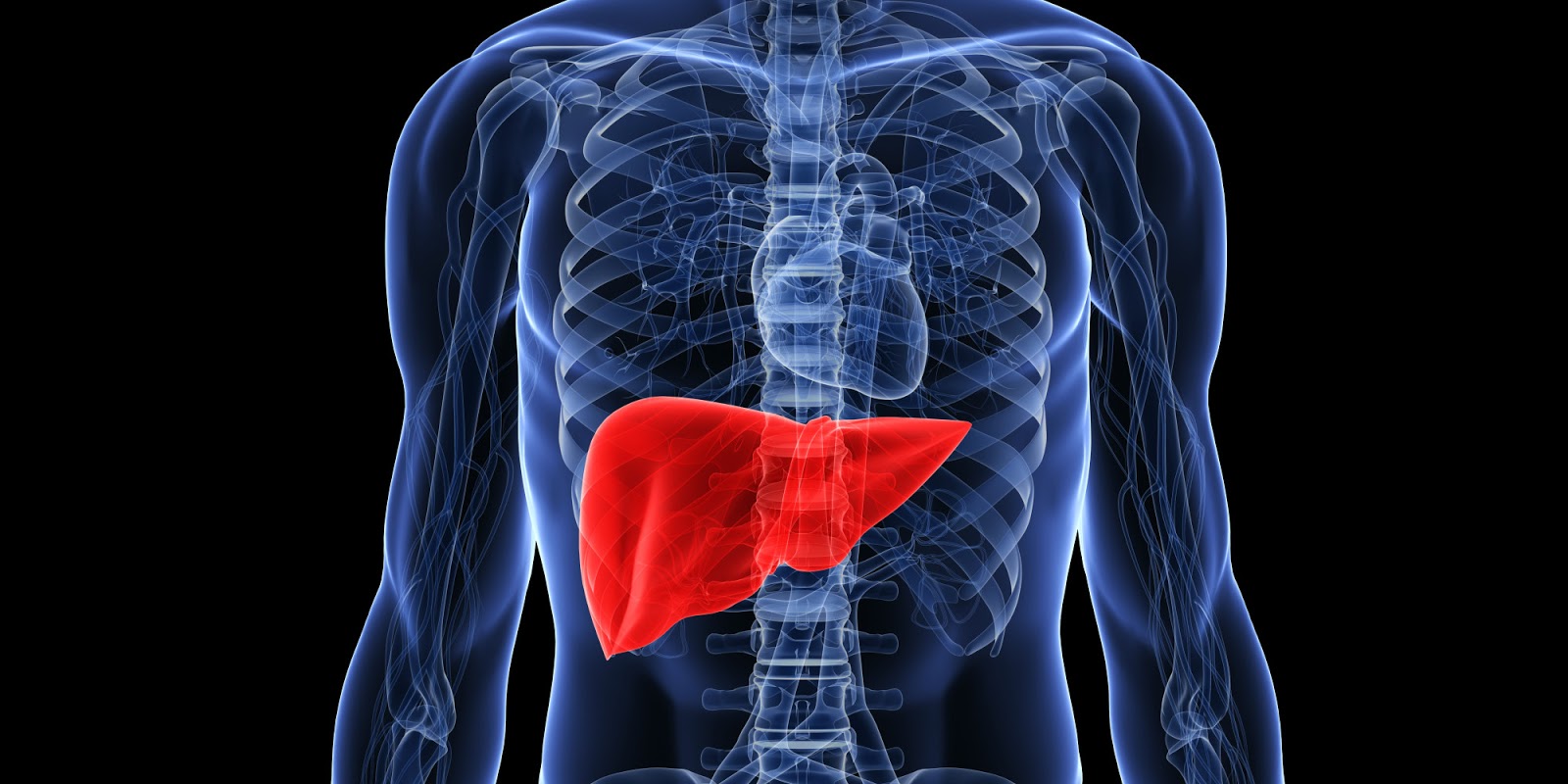
“Inflammation caused by excessive fat accumulation in liver cells may eventually lead to metabolic dysfunction-associated steatohepatitis (MASH), a more severe form of the condition. If left untreated, MASH can develop into cirrhosis, fibrosis, and in some situations, liver cancer,” he cautioned.
Importance of early detection
Early detection is essential to preventing further harm as the condition develops. Dr Manoj notes, “To determine the extent of the liver condition, tests including blood analysis, ultrasound imaging, and sometimes sophisticated imaging methods or a liver biopsy are used.”
He also suggests regular screening for fatty liver; it is recommended for those who are obese, prediabetic, or have a family history of metabolic disorders.
“Making healthy lifestyle modifications continues to be the cornerstone of treatment, but when a person seeks treatment for their fatty liver disease, they tend to concentrate on addressing their underlying issues to manage their illness,” the gastroenterologist highlights.
According to Dr Manoj, most people with early-stage fatty liver may anticipate improvements in their general health with progressive weight reduction, a diet high in healthy foods, frequent exercise, and control of blood sugar and cholesterol.
When is surgery needed?
When there are signs of inflammation or scarring on the liver, treatment becomes more complicated since new techniques for managing these disorders and preventing more liver damage must be implemented, Dr Manoj warned.
He further stated, “Patients with cirrhosis or cirrhosis-related problems will probably need surgical treatment, including a liver transplant. Lastly, bariatric surgery has been shown to improve liver function and other metabolic metrics in suitable individuals with extreme obesity.”
Lastly, he cautioned, fatty liver disease may be silent, but its impact is far-reaching. Recognising risk factors and taking timely action can prevent long-term complications and improve future liver health.
Note to readers: This article is for informational purposes only and not a substitute for professional medical advice. Always seek the advice of your doctor with any questions about a medical condition.


Catch your daily dose of Fashion, Taylor Swift, Health, Festivals, Travel, Relationship, Recipe and all the other Latest Lifestyle News on Hindustan Times Website and APPs.


