
 E-Paper



Boney Kapoor’s '26 kg weight loss without gym': Doctor explains if 'skipping dinner, having fruits for breakfast' works

 Prefer HTon Google



Boney Kapoor's weight loss has generated significant interest, with many wondering how he did it. A doctor explains how sustainable weight loss can be achieved.
Film producer Boney Kapoor's '26 kg weight loss' has generated buzz online, with many fans praising his transformation. On July 22, a paparazzo took to Instagram to share the latest photos of Boney Kapoor, 69, and shared details of how the producer dropped '26 kg', seemingly having 'breakfast that consists only of fruits and juice'. Also read | Is skipping dinner like Manoj Bajpayee a healthy way to lose weight? Experts on pros and cons
Boney Kapoor's drastic transformation
In his caption, Viral Bhayani wrote, “Boney Kapoor aka the prolific filmmaker cum producer cum actor is setting the internet on fire with his latest pics.” He added, “His latest pics have rightfully made him the talk of the town! Boney looks ultra dapper in casuals and semi-formals. Reports state that the secret of Boney Kapoor's weight loss is that he skips dinner and has only soups. Not just that, his breakfast consists of only fruit and juice and jawar roti. And mind you, the veteran Boney Kapoor has not hit the gym to get in this shape! It's pure and sheer dedication, sincerity doubled with hard work!”
In an interview with HT Lifestyle, when asked about Boney Kapoor's impressive transformation, Dr Arun Prasad, senior consultant, gastrointestinal and bariatric surgery, Indraprastha Apollo Hospitals explained if it is actually possible to support your weight loss journey without relying on gym workouts. He said, “Losing a significant amount of weight — like 26 kg — without going to the gym is entirely possible, but it needs to be approached with care to ensure it’s healthy, balanced, and long-lasting.”
He added, “While it is absolutely possible to lose 26 kg without joining a gym, doing so safely and successfully requires more than skipping meals or relying on fruits alone. A balanced, consistent approach that fits the Indian metabolic profile and cultural habits works far better. Light, early dinners, protein-inclusive breakfasts, and daily movement — even in small amounts — are key.”
Is skipping dinner for weight loss okay?
Dr Prasad said, “Many people try shortcuts such as skipping dinner or eating only fruits for breakfast. While these methods may seem simple and even show short-term results, they may not be suitable for everyone — especially when considering the unique metabolism, dietary habits, and common health concerns of Indian individuals. This is even more important for those dealing with conditions like diabetes, prediabetes, high blood pressure, or fatty liver disease.”
Dr Prasad said that skipping dinner can help reduce total daily calorie intake, which can lead to weight loss when your body uses more energy than it receives: “Some people follow this as a type of intermittent fasting, such as the 16:8 method, where food is only consumed during a specific time window. While it may help with initial weight loss, completely skipping dinner often leads to increased fatigue, irritability, poor sleep, and excessive hunger later in the night.”
He warned that 'this hunger can trigger unhealthy late-night snacking', which defeats the purpose of calorie control. “In the long term, consistently skipping meals may lead to nutritional deficiencies, especially if dinner is typically a major source of protein, fibre, or essential vitamins in your diet. For people with diabetes or those on medications like insulin or metformin, skipping dinner can cause dangerous dips or erratic swings in blood sugar. This is particularly relevant in Indian populations, where insulin resistance is common and diets are generally high in carbohydrates,” Dr Prasad said.
For such individuals, skipping dinner may not support stable metabolism and could worsen glycemic control, he said, and added, “A much safer and more sustainable approach is to have a small, light dinner early in the evening — around 6:30 pm or 7:00 pm. Meals such as a bowl of vegetable soup, a small portion of dal with salad, or grilled paneer or chicken can help maintain nutritional balance without adding excess calories.”
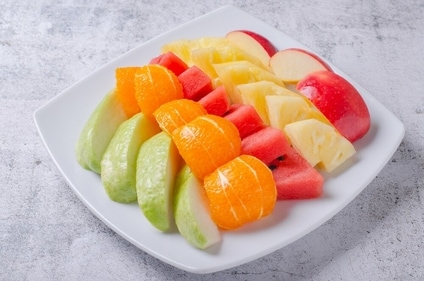
Should you stick to just fruits for weight loss?
Eating only fruits for breakfast may sound like a healthy option, and in some ways, according to Dr Prasad, it is. “Fruits are low in fat, rich in fibre, antioxidants, and vitamins. Replacing high-calorie, processed Indian breakfast foods such as parathas, pooris, or sugary cereals with fruits can help cut down on empty calories and support digestion.”
However, relying only on fruits is not advisable as they can lack essential macronutrients like protein and healthy fats. “This can result in early hunger, low energy, and even muscle loss during weight loss. In the Indian context, this is even more concerning because many commonly consumed fruits — like bananas, mangoes, grapes, and chikoo — are high in natural sugars and may spike blood glucose levels,” Dr Prasad said.
For people with diabetes, insulin resistance, or fatty liver, such fruit-heavy meals can worsen metabolic control, the doctor warned. “While fruits are important in a healthy diet, it’s better to pair them with protein-rich options like boiled eggs, Greek yogurt, soaked almonds, paneer, or moong sprouts. This combination provides satiety, helps preserve muscle mass, and keeps blood sugar levels more stable throughout the day,” Dr Prasad advised.

Should you go on a strict diet to lose weight?
Dr Prasad said, “Sudden or extreme diets, including skipping meals or drastically cutting calories, may reduce weight on the scale but often lead to muscle loss instead of fat loss, especially in older individuals. This can slow down metabolism and worsen overall health in the long run.”
He added, “Indian dietary patterns are typically high in carbohydrates — mainly from rice, roti, and potatoes — while being relatively low in protein and fibre. Meals are often cooked with generous amounts of oil or ghee and frequently accompanied by snacks and sweets. Additionally, many Indians are what researchers call ‘TOFI’ — thin outside, fat inside — which means they may appear lean but carry significant hidden fat around their organs. This type of visceral fat is closely linked to metabolic diseases like type 2 diabetes, fatty liver, and cardiovascular conditions.”

What should you actually do to shed extra kilos?
According to Dr Prasad, to lose weight in a healthy, sustainable way — especially without going to the gym — it is essential to follow a balanced diet tailored to Indian food culture. He said, “This includes a wide variety of vegetables, fresh fruits in moderation, whole grains like millets, brown rice, and oats, and good-quality protein sources such as lentils, eggs, tofu, Greek yogurt, paneer, and grilled fish or chicken. Healthy fats from soaked nuts, seeds, and limited use of cold-pressed oils are also important.”
He added, “Spices commonly used in Indian kitchens — like turmeric, cinnamon, and ginger — have added benefits for blood sugar and metabolism. Alongside dietary changes, incorporating daily physical activity such as brisk walking, stair climbing, yoga, or short home workouts can significantly improve fat loss and maintain muscle mass even without formal gym sessions.”
Dr Prasad warns that individuals with existing health conditions should be particularly cautious. For those with diabetes or prediabetes, skipping dinner can lead to low blood sugar at night, and fruit-only breakfasts can cause post-meal glucose spikes due to a lack of protein or fibre to slow absorption, he said.
“People with hypertension may find that skipping meals disrupts their sodium and potassium balance, and if their diet becomes nutritionally poor, blood pressure control may worsen. For those with fatty liver, long meal gaps and excessive sugar intake—from fruits or refined foods — can accelerate liver fat accumulation. Instead, eating small, balanced meals at regular intervals, avoiding sugary drinks, minimising refined carbs, and ensuring adequate hydration and sleep are all important components of a liver-friendly, heart-healthy weight loss plan,” Dr Prasad said.
He added: “Always consult your doctor or a qualified nutritionist before making major dietary changes, especially if you have diabetes, high blood pressure, or fatty liver. A well-planned strategy tailored to your body and lifestyle can help you lose weight and keep it off — without harming your health.”
Note to readers: This article is for informational purposes only and not a substitute for professional medical advice. Always seek the advice of your doctor with any questions about a medical condition.


Catch your daily dose of Fashion, Taylor Swift, Health, Festivals, Travel, Relationship, Recipe and all the other Latest Lifestyle News on Hindustan Times Website and APPs.


